




 Finance
 By: Shree1news, 11 JUL 2021
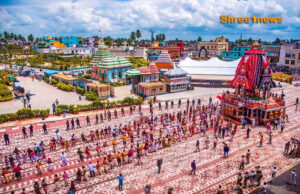
Thousands of devotees flock to Puri every year to attend the Jagannath Rath Yatra. The centuries-old chariot procession just isn’t solely a religious ritual but also a showcase of how the Jagannath consciousness has long enriched the cultural heritage of Odisha.
The annual Jagannath Rath Yatra (Car Festival or Chariot Festival) in Puri, Odisha, is widely recognised as the oldest chariot procession of its kind, and has led to similar processions being organised both throughout India as well as internationally.
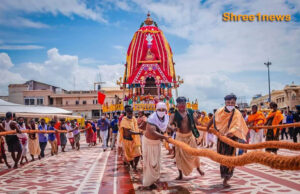
Attracting thousands of devotees and visitors every year, the Rath Yatra is held during the Hindu month of Asadha (June–July, in the calendar) in Purushottam Khstra (as Puri was once known). The three divine siblings go on their annual sojourn to the Gundicha temple—their ancestral home via Mausi Maa Temple (maternal aunt’s home) near Saradha Bali, Puri accompanied with an ecstatic crowd on Badadanda.
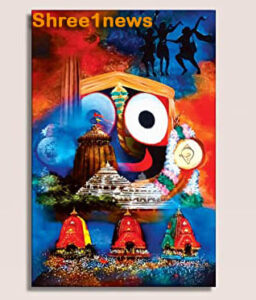
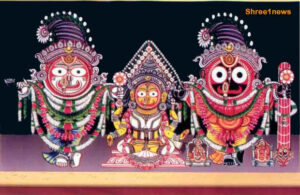
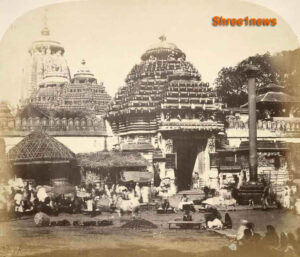
Jagannatha literally means Lord of the Universe. Jagannatha temple is one of the 4 Hindu pilgrimage centres referred to as Char Dham pilgrimages.
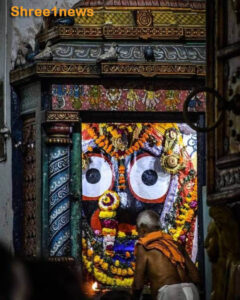
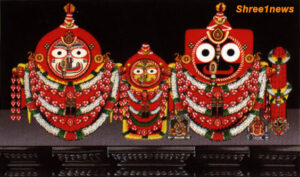
The festival of Puri Rath Yatra is dedicated to Lord Jagannath who is believed to be one of the incarnations of Lord Vishnu. The Jagannath Temple is one of the 4 prime pilgrimages of Hindus that holds immense religious significance.
Interesting Facts About Puri Rath Yatra
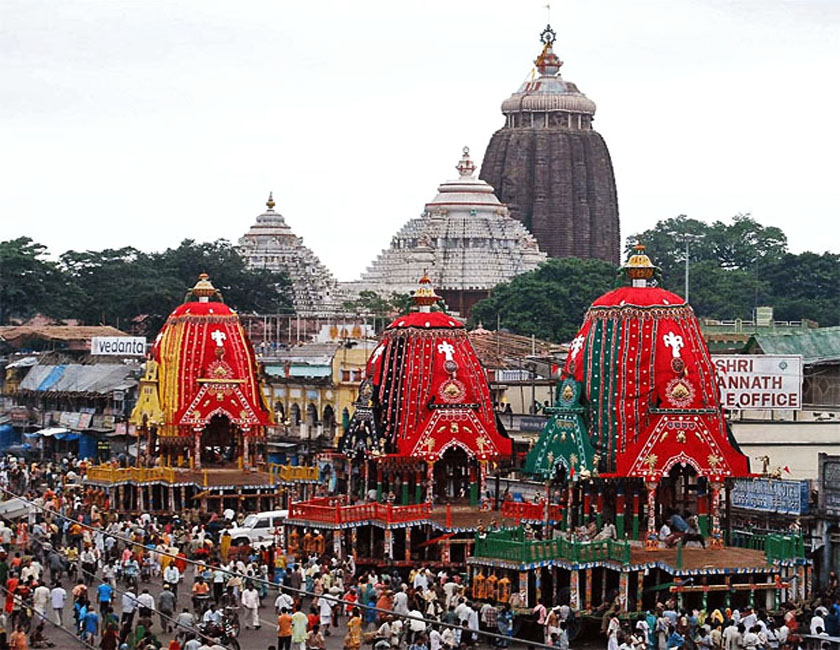
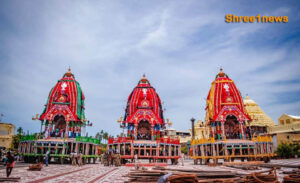
- Annually, three giant separate wooden chariots are made of a kind of Neem tree for the deities Jagannath (ruler of the world), his elder brother Balbhadra (Balaram) and sister Subhadra.
- Lord Jagannath’s Rath, Nandighosha (also known as Garudadhwaja, Kapiladhwaja) is about 44 ft tall. The chariot has 16 wheels, and the dominant colours used for that are red and yellow. Balbhadra’s chariot is named Taladhwaja and it stands tall at 43 ft. It has 14 wheels, and the colours used for decorating it are Red and Bluish-Green. Subhadra’s chariot has 12 wheels, and the colours associated with her are Red and Black. Her chariot is called Darpadalana (Devadalana or Padmadhwaja), and it’s 42 ft in height.
- The world-famous Rath Yatra of Puri also finds a mention in ancient scriptures such as the Brahma Purana, Padma Purana, Skanda Purana and Kapila Samhita.
- The ritual of bringing the idols of Jagannath, Balbhadra and Subhadra out of the temple and putting them in their respective chariots known as Pahandi. Interestingly, the King (known as the Gajapati), dresses like a sweeper and cleans the way with a golden-handled broom and water scented with sandalwood paste. This ritual known as the Chera Pahara. It is repeated on the last day of the Yatra as well.
-
- The procession of the deities begin from the temple and head to the Gundicha temple, built in the memory of the Queen of King Indradyumna, who built the famous Puri Temple. On the fourth day, Goddess Lakshmi, the consort of Lord Jagannath visits the Gundicha temple to meet her husband.
- As per the tradition, the deities begin their return journey on Ashadha Shukla Paksha Dashami, a custom referred to as Bahuda. It is also known as Dakshinabimukhi. According to the age-old custom, before returning to their abode, the Gods halt at Goddess Ardhashini’s temple to pay obeisance to her.
The concluding rituals of the Rath Yatra known as Suna Besha, and Adhara Pana, and Niladri Bije are carried out on the tenth, eleventh and twelth day, respectively. Suna Besha is a ritual when the Gods are embellished with gold ornaments. And the Adhara Pana is the a sweet drink, was offered to them by the priests. Niladri Bije
Celebrated on Asadha Trayodashi. Niladri Bije is the concluding day of Ratha yatra. On this day deities return to the ratna bedi. Lord Jagannath offers Rasgulla to goddess Laxmi to enter into the temple.
Source:A-N
visit at: www.shree1news.com