






 Finance
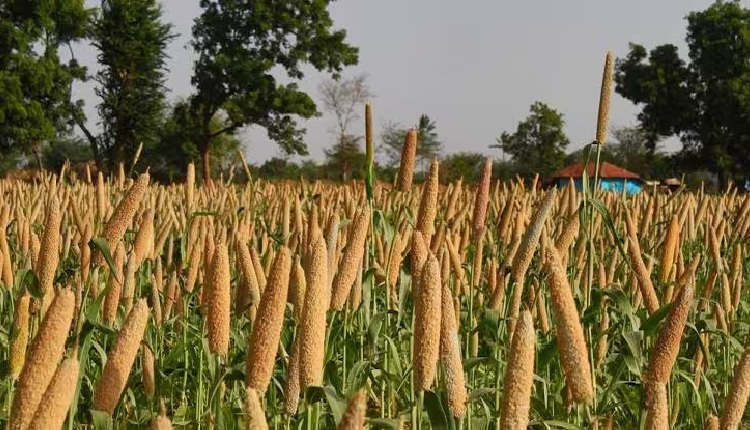
The Odisha government’s Department of Agriculture and Farmers’ Empowerment has started a plan called “Revival and Sustainable Intensification of Forgotten Food and Neglected Crops in Odisha.”
Last November, Chief Minister Mohan Charan Majhi conducted an International Symposium in which academicians and scientists from around the world took part. This initiative intends to resuscitate Odisha’s indigenous agricultural and food culture by focusing on their protection, production, value addition, marketing, and awareness building throughout the state, resulting in greater financial support for cultivators, particularly tribal cultivators.
This initiative intends to revive Odisha’s traditional crop and food culture by focusing on conservation, cultivation, value addition, marketing, and awareness generation throughout the state. It aims to provide more financial help to cultivators, particularly indigenous cultivators.
Kanak Vardhan Singh Deo, Deputy Chief Minister, Minister of Agriculture and Farmers’ Empowerment, oversaw the scheme’s development, and the government has legally authorized it. Odisha is well-known for its diverse crop and food production, as well as the presence of agro-ecological hotspot zones such as Koraput, which has been designated as a Globally Important Agricultural Heritage Site. The state is home to 64 indigenous groups with a long history of community stewardship of agro-biodiversity. Traditionally, Odisha’s tribal and rural tribes have grown and consumed a variety of foods such as tubers, pulses, oilseeds, leafy vegetables, and wild fruits. The scheme builds upon the legacy of individuals like Padma Shri awardees Kamala Pujari, Ms Sabarmatee, Professor Radhamohan, and Patayat Sahoo, who have been recognised for their seed and plant conservation efforts.
The comprehensive scheme outlines several key objectives, including germplasm collection and documentation of associated food cultures, indigenous technical knowledge supporting community conservation through custodian farmers and community live seed banks through state resource centers, promoting the cultivation of forgotten landraces with incentives and technical support, developing post-harvest processing and value addition, and raising awareness in both rural and urban areas.
The initiative would be implemented in 25 blocks throughout 15 districts of Odisha over a five-year period (2025-26 to 2029-30), with strategic locations near biodiversity hotspots and ecologically significant regions. The effort is expected to directly help around 60,000 farmers by introducing them to the production of neglected crops. The Kamala Pujari Participatory Research Fellowship, which documents traditional knowledge and neglected crops, is one of its distinguishing features. Dr. Arabinda Kumar Padhee, Principal Secretary, Agriculture & Farmers’ Empowerment, stated that the expected outcomes include documenting numerous landraces and recipes, increasing their availability, conducting nutritional profiling, developing an open digital knowledge platform, and positioning Odisha as a global model for reviving forgotten foods and crops.