


 Finance
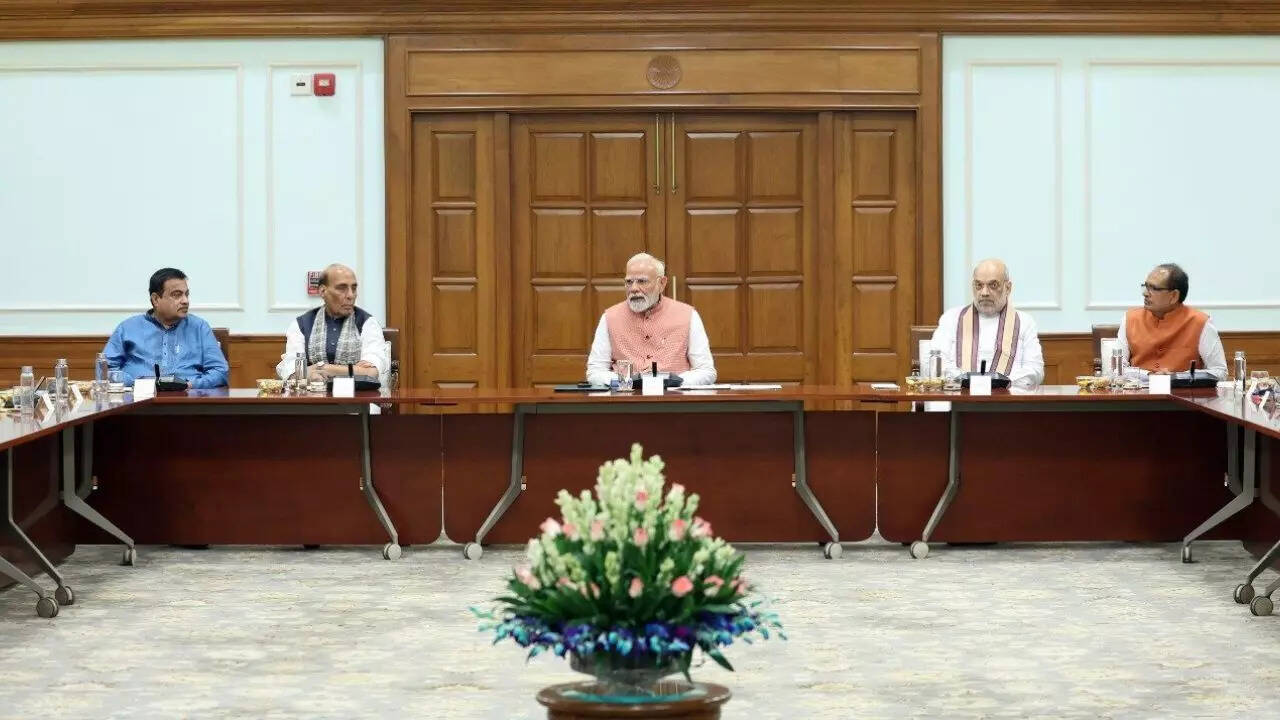
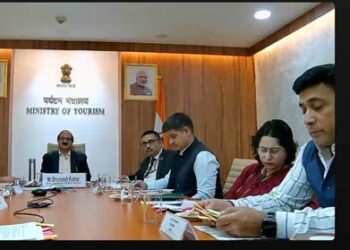
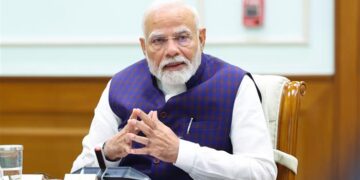
In the midst of trade tensions with the US after 25% tariffs were placed on it, Prime Minister Narendra Modi met at a high level with key ministers on Monday to discuss the path for next-generation reforms.
Aside from senior Cabinet ministers, secretaries and economists attended the Economic Advisory Council (EAC) meeting, which was hosted at PM Modi’s home on Delhi’s 7, Lok Kalyan Marg.
“Chaired a meeting to discuss the roadmap for next-generation reforms. We are committed to speedy reforms across all sectors, which will boost ease of living, ease of doing business and prosperity,” PM Modi tweeted.
The EAC meeting assumed significance as it coincides with Chinese Foreign Minister Wang Yi’s two-day visit to India, beginning today. Additionally, it occurred just days before External Affairs Minister S Jaishankar’s trip to Russia, as India looks to increase its interactions with Beijing and Moscow in the face of uncertain trade relations with the United States.
The meeting took place just days after US President Donald Trump levied a 25% duty on all Indian exports to the US, with the levy set to double to 50% starting on August 27 as retaliation against New Delhi for its purchases of Russian oil. The duties are expected to affect non-exempt Indian exports worth USD 40 billion, including textiles, footwear, and jewelry and gems.
Earlier, a Washington trade delegation postponed their visit to New Delhi, delaying the sixth round of the planned bilateral trade agreement (BTA) between the US and India. The dates of the discussions were set for August 25–29.
“This visit is likely to be rescheduled,” an official told news agency PTI, requesting anonymity.
New Delhi and Washington have committed to concluding the first phase of the BTA by the fall of 2025, and aim to more than double bilateral trade from the current USD 191 billion to USD 500 billion by 2030.
Additionally, New Delhi has been under pressure from the US to open politically delicate industries like dairy and agricultural. Such concessions have been bluntly rejected by India, which claims that they endanger the livelihoods of cattle ranchers and small farmers.
In his Independence Day speech, Prime Minister Modi called for a move toward “swadeshi” (Made in India) products and expressed support for farmers and fishermen in response to Trump’s decision of an additional 25% tariff on Indian exports.
“Modi is standing like a wall against any harmful policy related to the farmers, fishermen and cattle-rearers of India. We will never accept any compromise regarding our farmers, their livestock rearers and fishermen,” PM Modi said.
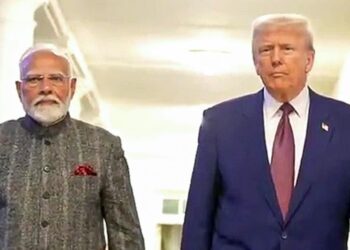
A crucial discussion on the Ukraine conflict between Trump and Russian President Vladimir Putin took place in Alaska on Saturday (India time), raising hopes that improved Washington-Moscow ties could soften the additional 25 per cent tariff on India.
Trump, who only days earlier had struck a hard line against Russia, remarked, “I might have to consider it (sanctions) in two or three weeks, but there’s no immediate need. If I did secondary sanctions now, that would be devastating for them.”
Trade relations between the US and India have been improving despite concerns. Data from the commerce ministry shows that between April and July 2025, India’s imports increased 12.33% to USD 17.41 billion, while its exports to the US increased 21.64 percent to USD 33.53 billion.
Source: IT