







 Finance
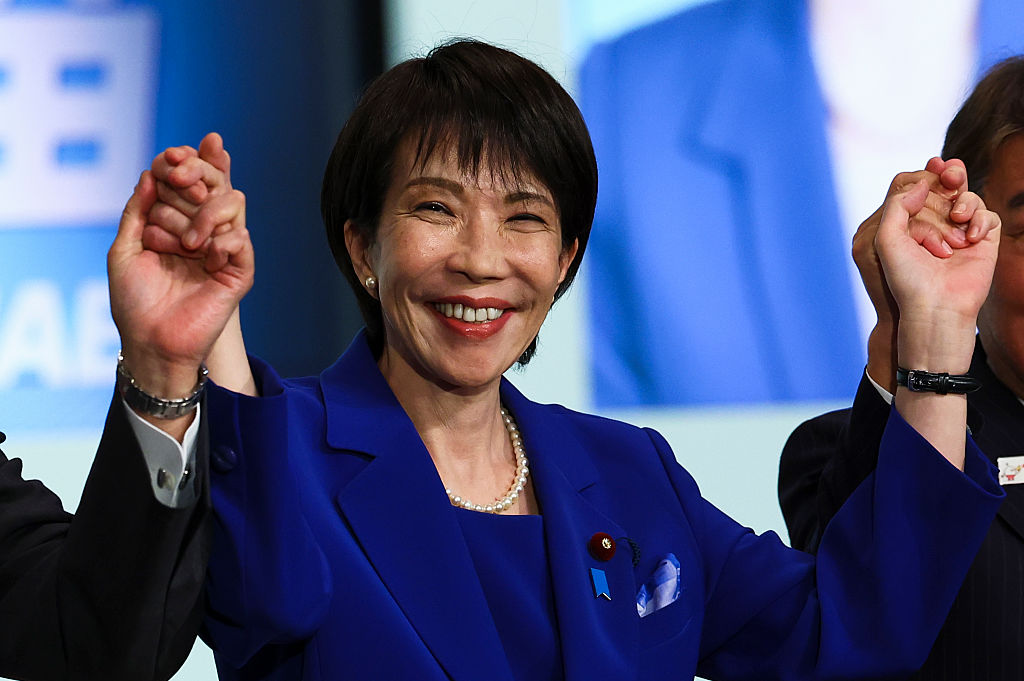
Sanae Takaichi was elected as Japan’s next Prime Minister on Tuesday after a runoff election in parliament. She is also the first woman to hold this position.
The Upper House has chosen Takaichi as Japan’s next Prime Minister, confirming her elevation to the position. She received 125 votes in the Upper House, just one vote more than the simple majority required for success. She previously received 237 votes in the Lower House, which exceeded the needed majority of 233.
Takaichi, a former television anchor, entered Japanese politics in 1993, obtaining a seat in the Lower House as an Independent. The 64-year-old politician currently represents her home prefecture, Nara.
Takaichi joined Japan’s ruling Liberal Democratic Party in 1996 and served in the Cabinet for the first time under former Japanese Prime Minister Shinzo Abe. She served as the Minister of State for Okinawa and Northern Territories Affairs. Later, she became the first woman to chair the LDP’s Policy Research Council.
Takaichi served as Japan’s economic security minister from 2022 to 2024. She is also the longest-serving Minister for Internal Affairs, having held the position multiple times.
Takaichi, a longtime advocate for the conservative wing of the LDP, was elected as the party’s head on Saturday with 185 votes. She defeated Shinjiro Shinjiro, who garnered 156 votes in a runoff after none of the five candidates in the party leadership race secured a majority in the initial round of voting.
As the Prime Minister, Takaichi will serve the remainder of former PM Shigeru Ishiba’s three-year term, which ends in September 2027.
Following Saturday’s vote, former Justice Minister Midori Matsushima, one of the 20 MPs who supported Takaichi’s candidacy, expressed delight at the prospect of the country’s first female Prime Minister.
“The first female Prime Minister is here. I’m very glad I was able to witness this. I hope this inspires many young women and others like her who were not born into a political household and were raised in a non-political environment,” Matsushima told the Japan Times on Saturday.
Years of slow development, rising prices, and a rapid depreciation of the yen have weighed heavily on the public, and the LDP’s twin setbacks have brought its leadership into sharper focus.
As the ruling bloc’s historical dominance fades, the task ahead is daunting: keep a divided party together, manage minority rule, and persuade a skeptical population that the LDP is still capable of providing stable governance.