


 Finance
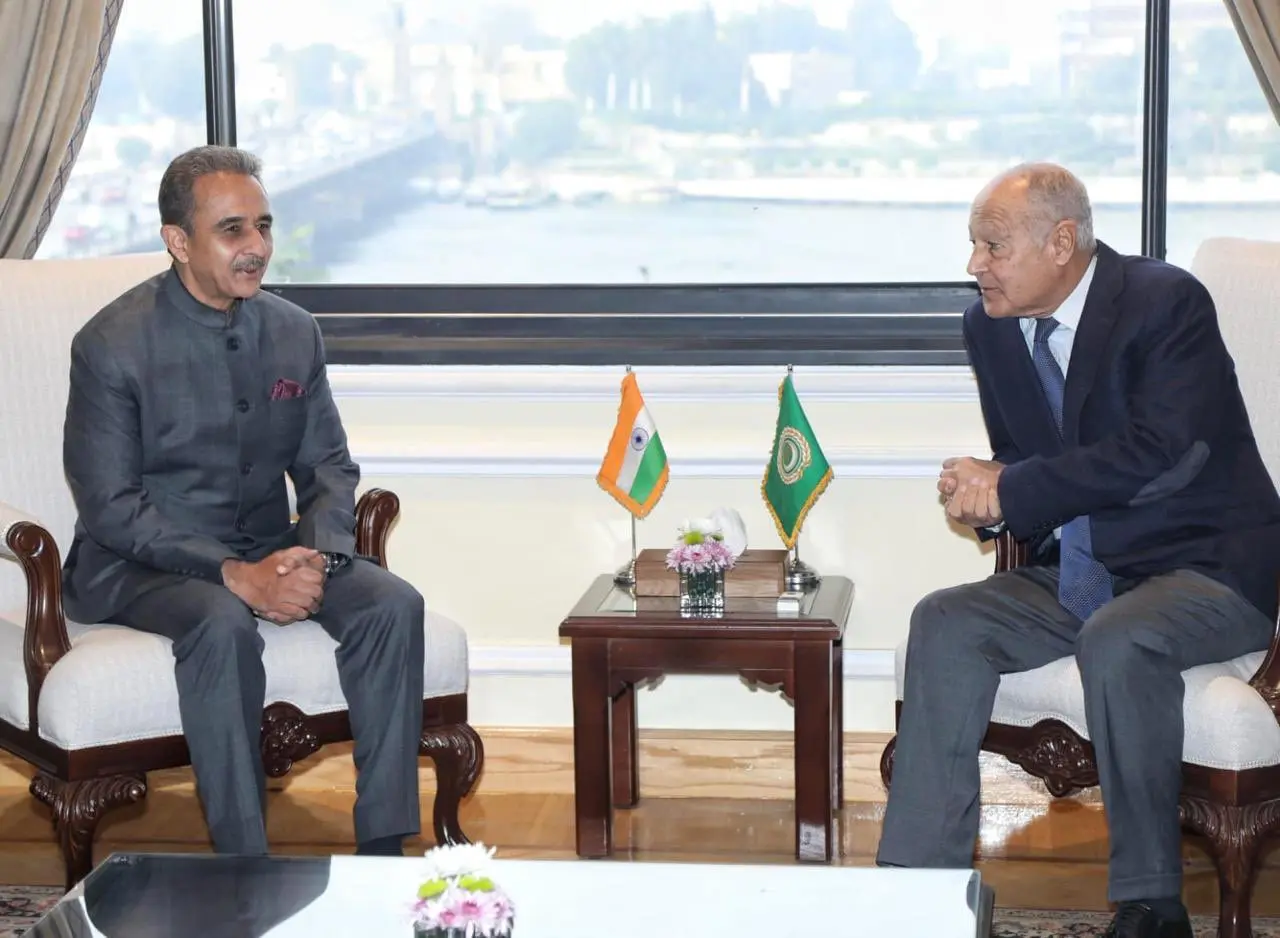
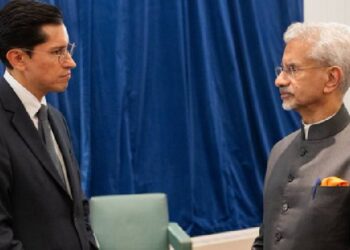
Kirti Vardhan Singh, Minister of State (MoS) for External Affairs, met with Arab League Secretary General Ahmed Aboul Gheit on Thursday to discuss broad political, economic, and cultural cooperation between the two sides.
Singh and Gheit also expressed enthusiasm for the impending second India-Arab Foreign Ministers’ Meeting, which will be held in New Delhi later this month.
“Pleased to meet H.E. Ahmed Aboul Gheit, the Secretary General of Arab League. Held productive discussions on India’s wide-ranging political, economic and cultural engagement with the Arab League. We also welcomed the upcoming 2nd India-Arab Foreign Ministerial Meet scheduled to take place in New Delhi in the end of the month,” Singh posted on X.
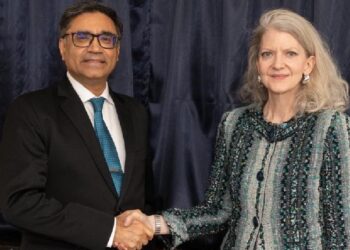
In November last year, Neena Malhotra, Secretary (South) at the Ministry of External Affairs (MEA), chaired a consultation meeting with Arab Ambassadors in New Delhi and discussed efforts to further strengthen cooperation between the two sides.
In a post shared on X, MEA spokesperson Randhir Jaiswal stated, “Secretary (South) chaired a consultation meeting with Arab Ambassadors in New Delhi. The meeting discussed efforts to further strengthen cooperation between India and League of Arab States.”
India maintains close and amicable relations with the nations that comprise the League of Arab States (LAS), often known as the Arab League. These relationships extend back to ancient times, when traders, academics, and diplomats would frequently cross the Arabian Sea and the land routes that connected India to West Asia and the Arab peninsula, exchanging information and goods. These historic relationships are still energized by a shared cultural inheritance, which is linked to language and religion.
The Arab League was founded in Cairo in 1945, with seven members, to promote the diverse interests of these countries. The League currently comprises 22 Arab member states, including countries from North Africa and the Middle East, according to a statement from the Indian Embassy in Egypt.
India’s extended neighbourhood includes Arab League states. India’s commitment to deepening engagement with this region, common perspectives on significant international developments, and strong economic and commercial links are the foundation of India-Arab relations. The majority of India’s foreign trade goes through the Suez Canal, the Red Sea, and the Gulf of Aden.
According to the MEA, while India is one of the world’s major economies and a global player with enormous potential to shape the future path of global business dynamics, the LAS and its member countries continue to play an important role in the international economic arena and offer numerous opportunities for economic cooperation.
Over the last decade, India and Arab countries have entered a new era of promising development and economic transition, which contribute to long-term economic progress.
Source: IANS