




 Finance
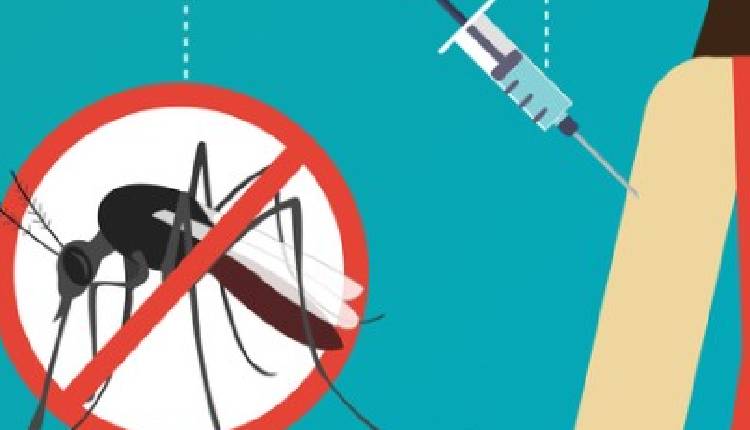
India has approved its first vaccination to help prevent dengue, a big step toward combating one of the country’s most common mosquito-borne infections. Takeda, a Japanese biopharmaceutical company, announced on Monday that their dengue vaccine, QDENGA, has been approved for marketing by the Drug Controller General of India (DCGI).
The vaccine is approved for those aged 4 to 60 and can be given regardless of whether they have ever had dengue. Unlike previous dengue vaccines, it does not require pre-vaccination screening, making administration easier.
Who can receive the vaccine?
QDENGA has been approved for people between the ages of 4 and 60 years. According to Takeda, the vaccine is given as two injections of 0.5 ml each, with the second dose administered three months after the first.
The company said the vaccine is designed to protect against all four dengue virus serotypes, which continue to circulate across different parts of India.
Clinical trials supported approval
According to Takeda, the approval is based on findings from its global clinical development programme, which included 19 Phase I, II and III clinical trials involving more than 28,000 participants in dengue-endemic and non-endemic countries.
The company also cited data from a Phase III clinical trial conducted in India, which evaluated the vaccine’s safety and immune response among participants aged 4 to 60 years.
Seven-year data shows continued protection
Takeda said the latest seven-year follow-up data indicate that the vaccine continues to offer protection against dengue infection and hospitalisation across all four virus serotypes.
“Since its launch in 2022, QDENGA has been approved in 43 countries, with more than 32 million doses distributed globally. This approval marks an important step forward in strengthening dengue prevention in India,” said Mahender Nayak, Head of Intercontinental Markets at Takeda.
Why this approval matters for India
India has one of the world’s highest dengue burdens, accounting for approximately one-third of global dengue cases, according to the business. Rapid urbanisation, changing climate conditions, and widespread mosquito breeding all contribute to periodic epidemics throughout the country.
Goh Choo Beng, Takeda’s Medical Affairs Head for Southeast Asia and India Cluster, stated that the vaccine complements existing dengue prevention methods such as mosquito control, illness tracking, community awareness, and public health activities.
WHO recommendation
Takeda stated that QDENGA is recommended by the World Health Organization (WHO) for use in dengue-endemic areas with high transmission and does not require pre-vaccination screening.
WHO prequalification confirms that the vaccination satisfies international quality, safety, and efficacy criteria. This also qualifies it for procurement by worldwide organizations like UNICEF and the Pan American Health Organization (PAHO).
Source: InTv
Disclaimer: The article’s advice and recommendations are meant primarily as general information and should not be interpreted as expert medical advice.