



 Finance
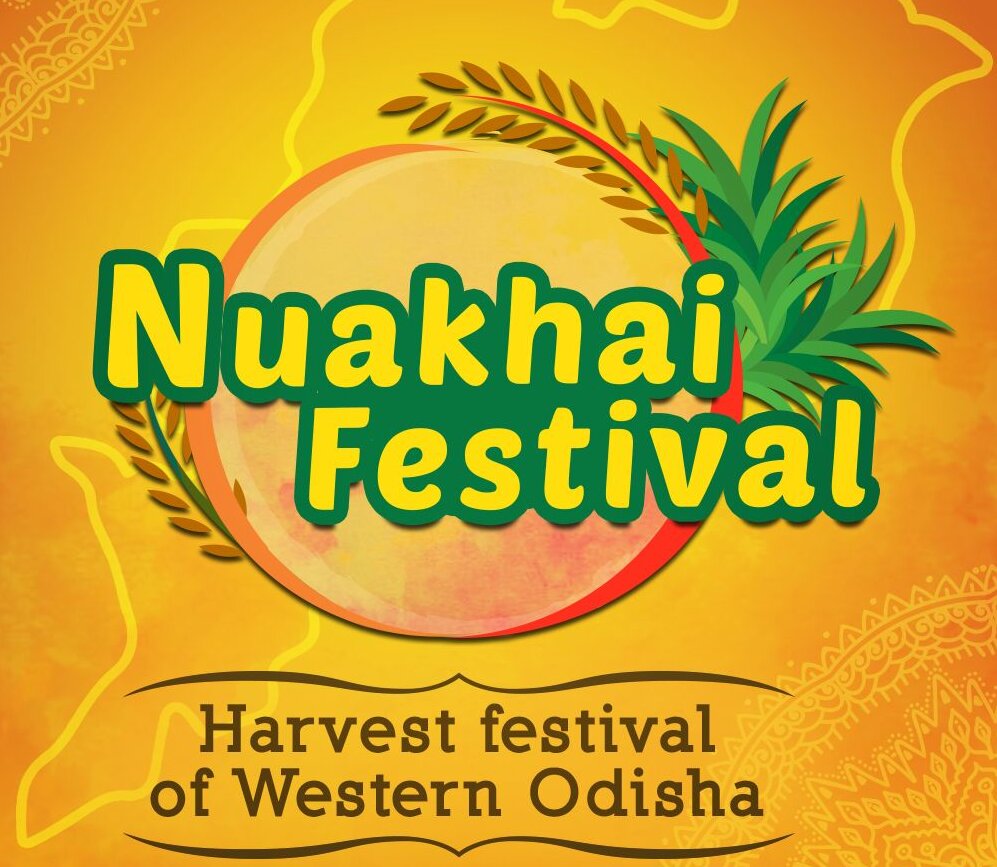
The farming year in western Odisha is marked by a number of traditional celebrations. Every stage of the season has its own modest ritual, from the first seeds being sown after Akshaya Tritiya to the harvest’s final return. Nuakhai, the day when the earliest, still-tender grain is delivered to the village deity before anyone tastes it, is particularly revered among them.
We enter the core of the customs and traditions that have supported the celebration for generations on this momentous occasion.
A Name That Speaks of Gratitude
The word itself is simple: “khai” means to eat, and “nua” signifies new. However, Nuakhai is more about expressing gratitude than it is about eating. The rice that is being served is immature. It is regarded as the purest form of the crop—soft, milky, and still standing in the field—before birds may claim their portion and before the grain gains any commercial value. The first output of the ground must first belong to the divine, according to the villagers.
Roots That Stretch Across Centuries
According to historical reports, the festival’s organized form dates back to Raja Ramai Deo of the Chauhan line in Patnagarh, in modern-day Balangir, in the twelfth century. The king is thought to have guided people away from more traditional hunting and gathering methods and toward settled farming since he recognized agriculture as the basis of prosperity. Over the ages, the tradition spread far beyond the former Patna kingdom to neighboring districts that now make up portions of Jharkhand and Chhattisgarh, which were long associated with Odisha due to common government and culture prior to the state’s linguistic division in 1936.
The Practice
Entering the community itself and leaving the official temple grounds is necessary to comprehend Nuakhai. The ruling deity does not have a constructed shrine in many locations. Just an open area of land beneath old trees that have stood for many centuries is the sacred space. Rarely are such trees chopped down; they are safeguarded by the same subdued awe that protects the god—an innate ecological ethic that doesn’t require the use of contemporary terminology. The main contribution is made collectively. The Jhankar, a traditional village priest who is usually selected from the Kondh group, performs it. On behalf of everyone, he performs the ceremonies and offers the nua to the local deity.
Waiting for the First Right
Households don’t move the fresh grain into their own courtyards until the village ceremony is over. Adults, particularly women, abstain from eating during the day. They also wait for the favorable time when the offering is made at home. This intentional delay has silent power in an era of perpetual availability. It confirms that we do not always own what nature provides. Before it becomes a meal, the grain turns into prasad. The first rice of the season is then shared by families as they sit together. In order to maintain an earlier, more personal connection with the local environment, several communities continue to incorporate forest leaves into the festivities.
Without exaggeration, Nuakhai is still fundamentally a basic, seasonal, and very human expression of collective gratitude.