



 Finance

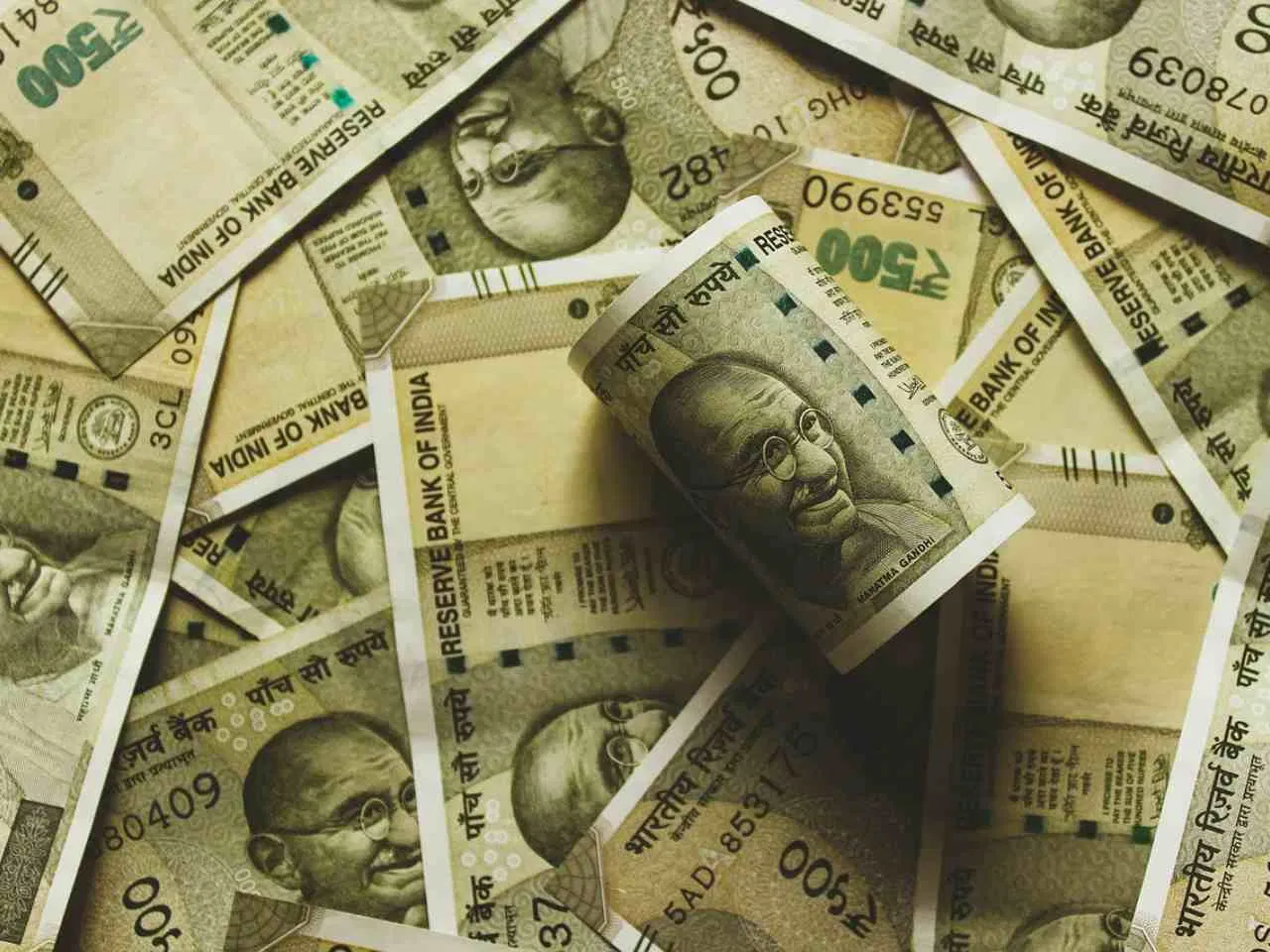
In a relief for millions during the current festive season, the Cabinet, led by Prime Minister Narendra Modi, on Wednesday greenlit the disbursement of an extra instalment of Dearness Allowance (DA) to Central Government workers and Dearness Relief (DR) to retirees.
The overall effect on the exchequer due to the rise in both Dearness Allowance and Dearness Relief will amount to Rs 10,016.10 crore annually.
According to a Cabinet statement, this will assist approximately 48.54 lakh employees of the Central Government and 68.71 lakh pensioners.
The decision will be implemented starting July 1, 2026, reflecting a 3 percent increase over the current rates of 60 percent of the Basic Pay/Pension to offset inflation.
The Cabinet stated that the rise aligns with the established formula, which follows the suggestions of the 7th Central Pay Commission.
Simultaneously, the eighth Central Pay Commission is conducting discussions regarding salary and pension issues. The talks are anticipated to center on compensation terms and contributions from all parties involved.
The eighth Central Pay Commission is headed by ex-Supreme Court Justice Ranjana Prakash Desai, with its members comprising Pankaj Jain, a former IAS officer acting as Member-Secretary, and Pulak Ghosh, a tenured Finance Professor and a member of the Prime Minister’s Economic Advisory Council.
The feedback collected during these discussions will be included among the inputs taken into account when developing its recommendations. The commission’s activities may impact the financial interests of over one crore workers and retirees.
This group consists of roughly 50 lakh employees of the Central government and approximately 65 lakh pensioners, including defence and railway staff as well as retirees. Employee representatives are advocating for an increased fitment factor, which would elevate the base used for salary calculations in the upcoming pay revision.
Unions are also calling for changes to the Dearness Allowance (DA) framework, including more frequent revisions and a possible merger with basic pay after a specified threshold is reached.
Source: IANS