




 Finance
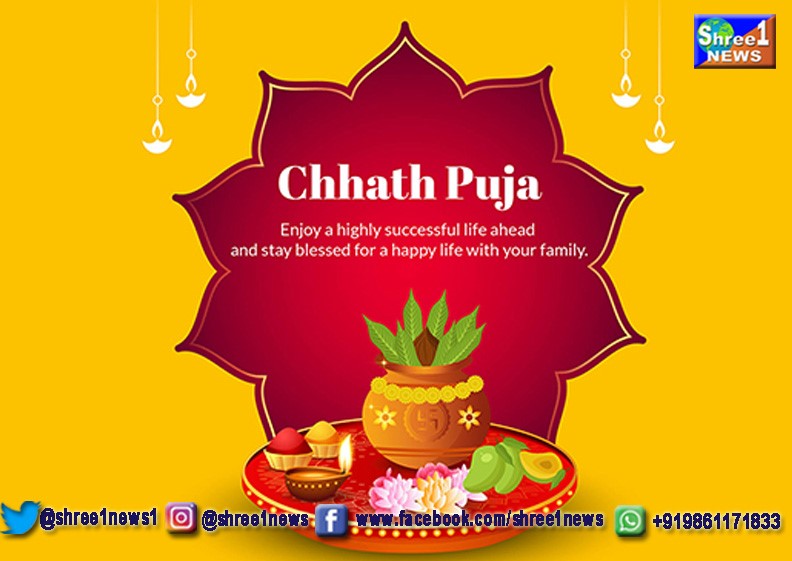
Chhath Puja is a powerful and deeply spiritual Vedic festival worshiping Surya Dev (the Sun God) and Chhathi Maiya (the Goddess Usha). It is mostly celebrated in Bihar, Uttar Pradesh, Jharkhand, and parts of Nepal, and represents India’s ancient devotion for nature, water, and cosmic energy. Chhath is unique in that it is the only Hindu festival that worships both the rising and setting suns through rigid rituals, environmental cleanliness, and community engagement.
It represents thankfulness to nature, the sun’s vital energy, and the cycle of life, health, and wealth.
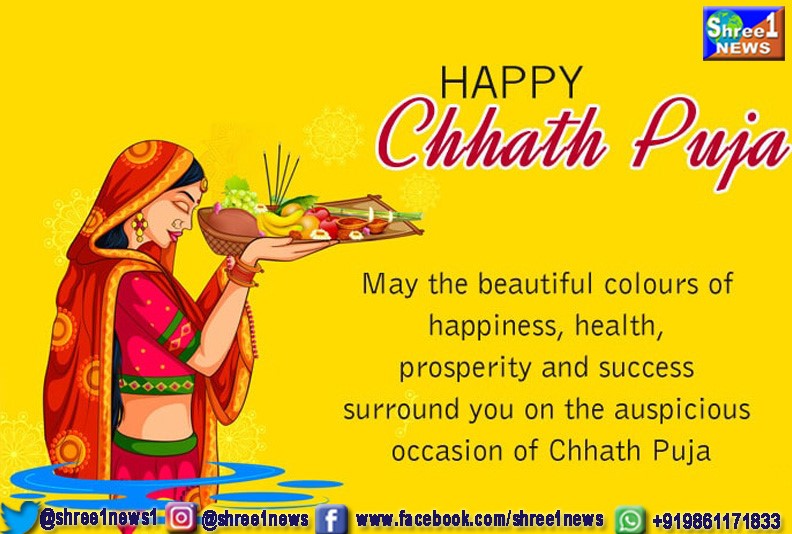
Chhath Puja consists of four main days of ceremonies and celebrations.
Chhath Puja days
Day 1: Nahay Khay
Devotees begin the festival with a holy bath in rivers or ponds, followed by eating a pure, satvik meal prepared without onion or garlic.
- The festival begins with a holy bath in rivers or ponds
- The devotee (known as Vrati) prepares a satvik meal of lauki (bottle gourd), rice, and chana dal
- The meal is consumed once and cooked in bronze or earthen utensils on a wood or cow dung stove
Day 2: Kharna
This day involves a strict fast without water until sunset, when devotees break their fast by consuming jaggery kheer, roti, and fruits as prasad.
- Devotees observe a strict fast without water (nirjala vrat) from sunrise to moonrise
- After sunset, kheer made with jaggery and rice, roti, and bananas are offered to Chhathi Maiya and consumed by the devotee
- This marks the beginning of a 36-hour nirjala fast observed till sunrise on Usha Arghya
Day 3: Sandhya Arghya
Devotees offer prayers and arghya to the setting sun standing waist-deep in water, carrying bamboo baskets (soop) filled with traditional offerings like thekua, fruits, and sugarcane.
- As the sun sets, devotees offer arghya while standing waist-deep in water
- The soop (bamboo basket) is filled with thekua, sugarcane, bananas, turmeric root, coconut, diyas, and seasonal fruits
- The atmosphere is filled with folk songs, bhajans, and collective prayers at riverbanks or rooftops
Day 4: Usha Arghya
- The final ritual occurs before sunrise, where devotees offer water and prasad to the rising sun
- After arghya, the fast is broken and prasad is shared with family, neighbors, and visitors
- This concludes Chhath with gratitude, healing, and peace
Chhath Puja Rituals and Traditions
The Chhath Puja traditions emphasize purity, dedication, and nature worship. Devotees follow a stringent 36-hour fast, with some abstaining even from water. The event includes holy washing, fasting, religious chants, and prayers honoring Surya and Chhathi Maiya. Thekua, a traditional sweet made of wheat flour, jaggery, and ghee, is a popular prasad (offering). Devotees congregate near riverbanks, lakes, or manmade water tanks, dressed traditionally, with women wearing vivid sarees and men in dhoti-kurtas.
Cultural Significance of Chhath Puja
Chhath Puja is profoundly important because it praises the sun as a source of life and energy. It is more than just a thanksgiving feast; it is also a gathering of communities for collective prayer and celebration. The festival promotes discipline, environmental consciousness, and spiritual restoration. Chhathi Maiya, Surya’s sister, is believed to provide health, prosperity, and protection on believers and their children. The communal component of the festival, with people from all backgrounds participating, promotes social harmony and cultural togetherness.
Spiritual Significance of Chhath Puja
Chhath Puja is a unique combination of detoxification, spiritual discipline, and environmental dedication. It is thought to align the body with sun energy and connect devotees to the rhythmic force of nature. Worshiping Chhathi Maiya, also known as Surya Dev’s spouse, is thought to provide fertility, prosperity, and child protection.
Devotees observe the festival with the intention of:
- Gratitude to nature and water bodies
- Protection and well-being of children
- Fulfillment of personal vows and family health
- Spiritual cleansing and positive transformation
Chhath Puja Samagri List
- Soop (bamboo winnowing tray)
- Thekua (wheat flour jaggery sweet)
- Coconut (in husk)
- Sugarcane sticks
- Seasonal fruits like banana, orange, apple
- Radish, turmeric root, ginger
- Raw milk, honey, ghee, camphor, earthen diyas
- Pure cotton thread and incense
Only organic and seasonal ingredients are used. No packaged, artificial, or processed items are allowed.
How and Where to Celebrate
Traditional Ghats
- Rivers, ponds, and lakes are cleaned and decorated with banana trees, flower rangoli, and earthen lamps
- Communities gather to perform rituals collectively, often singing traditional Chhath geet
Home Celebrations (Urban Areas)
- In metros and gated societies, rooftops and balconies are transformed into makeshift ghats
- Water tanks, tubs, or artificial ponds are used for arghya, with complete adherence to cleanliness and devotion
- Devotees maintain silence, mental discipline, and sing bhajans throughout the night
How Chhath Puja is Celebrated Across India
While Chhath Puja is particularly popular in Bihar, Jharkhand, eastern Uttar Pradesh, and Nepal, it is also celebrated widely among diasporas around the world. Devotees follow traditional customs, congregate at water sources, sing folk songs, and perform rituals with devotion and enthusiasm. The holiday is distinguished by a unique blend of severity in fasting and joyful community engagement, luring visitors to the riverbanks for collective devotion and cultural celebrations.
“Wishing everyone a blessed and fulfilling Chhath Puja”