

 Finance
As the autumn sun dips below the horizon, a radiant transformation sweeps across the Indian landscape, illuminating the hearts of millions with a spectacular display of lights, colours, and festivities. Diwali, or Deepavali, the beautiful Festival of Lights, is a dynamic celebration that invites you to immerse yourself in India’s diverse cultural history.
Diwali celebrates the triumph of light over darkness and good over evil, celebrating Lord Rama’s homecoming from his 14-year exile and victory over the demon king Ravana. As you travel through the streets, decked with sparkling lights and vivid decorations, you will feel the joy and excitement that fills the air. Witness a five-day spectacle that transcends religion and illuminates every corner of the country, and discover why Diwali holds a cherished place in India’s cultural celebrations!
Diwali emits a sense of unity, joy, and spiritual awakening, enticing every visitor to behold its splendor. Come celebrate Diwali and embark on an unforgettable sensory trip.
Deepavali, also known as Diwali, is an Indian festival of lights. Deepavali is derived from the words ‘Deepa’ (lamp) and ‘Vali’ (string), which indicate rows of lights. It commemorates the victory of good over evil. Diwali is celebrated on the day of ‘Amavasyaa’, or no moon day, which usually occurs in October or November. The date of Diwali is determined by the moon’s movement and varies from year to year. For Hindus, Diwali is one of the most important holidays of the year, and it is celebrated in families by participating in traditional activities at home. It is one among the largest festivities in India. Diwali is an official holiday in India, Nepal, Sri Lanka, Myanmar, Mauritius, Guyana, Trinidad and Tobago, Suriname, Malaysia, Singapore, and Fiji. Diwali commemorates Lord Rama’s homecoming from 14 years of exile, along with Sita and Lakshmana, after slaying the demon-king Ravana.
Witness five days of splendour
Dhanteras: Diwali, a five-day festival, begins on Dhanteras. The word Dhanteras itself means wealth and prosperity. On Dhanteras, people buy jewels or kitchenware and praise God. The day also pays homage to Lord Dhanwantri who is associated with Ayurveda, a form of natural therapy and various healing practices
Narak Chaturdasi or Small Diwali : The second day is known as Naraka Chaturdashi. It commemorates the demise of the demon ruler, “Narakasura”. It is also known as Chhoti Diwali or Small Diwali. This day signifies the triumph of Goddess Kali and Lord Krishna over the demons to free the world from fear. The festival is all about dissolving the bad and protecting others. According to an unusual saying, those who do not bathe on this day will go to hell. They placed flowers and mango leaves on their doors and windows. Firecrackers are set off in order to drive away evil spirits. During Diwali, everyone wears new attire and shares sweets and refreshments with their family and friends.
Diwali or Deepavali: The third day of Diwali is the primary day of celebration. On this day, people worship Lord Ganesha and Goddess Lakshmi, praying for success and wealth. Lord Ganesha, the most important of all Hindu gods, represents good fortune, while Lakshmi is the Goddess of wealth and prosperity. On this day, puja or prayer is performed by installing idols of Lord Ganesha and Goddess Lakshmi. All family members chant mantras, present auspicious goods such as flowers, tasty foods, silver or gold coins, and light diyas in front of the deities, and request their blessings.
Diwali Padwa & Govardhan Puja: The fourth day of Diwali is dedicated to Govardhan Puja. Lord Shri Krishna once conducted the Govardhan Puja to keep people safe from heavy rains. Since then, it has become customary to worship Govardhan Parvat (Mountain).
Bhai-Dooj: The fifth day is known as Bhai Dooj. On this day, sisters execute the Tika ceremony to wish their brothers long and good lives, and brothers present gifts to their sisters.
Diwali is traditionally a time for visiting, exchanging presents, donning new clothes, feasting, feeding the poor, and lighting fireworks (though such displays have been regulated to reduce noise and other environmental pollution). Gambling, particularly card games, is encouraged as a means of insuring good luck in the following year and to commemorate the dice games performed by Shiva and Parvati on Mount Kailash, as well as analogous battles between Radha and Krishna. In honor of Lakshmi, the female player is always the winner.
Beyond Hinduism
Diwali is a major festival in Jainism. The Jain community celebrates Mahavira’s enlightenment and release (moksha) from the cycle of life and death. The lighting of the lamps commemorates the illumination of Mahavira’s sacred knowledge.
Diwali has been commemorated in Sikhism since the 18th century as the moment Guru Hargobind returned to Amritsar from captivity in Gwalior, echoing Rama’s return to Ayodhya. Residents of Amritsar burn lamps all across the city to commemorate the event.
Although Diwali is not a primary Buddhist festival, some Buddhists celebrate it to commemorate the day Emperor Ashoka converted to Buddhism in the third century BCE. It is observed by the Vajrayana Buddhist minority among Nepal’s Newar people. They celebrate by burning lamps, decorating temples and monasteries, and honoring Buddha.
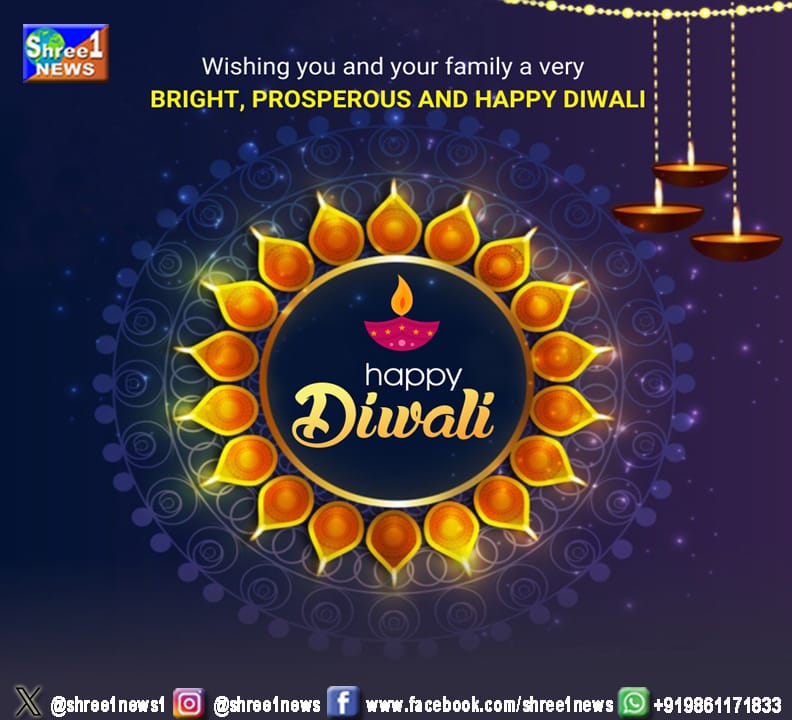
“HAPPY DIWALI”