




 Finance
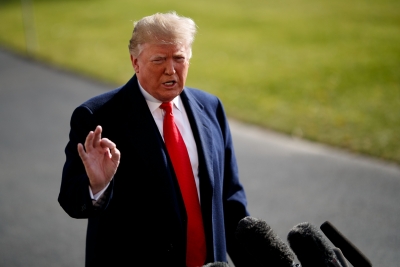
On America’s 249th birthday, July 4, U.S. President Donald Trump signed what he called the “One Big Beautiful Bill,” a sweeping tax and spending package that could reshape U.S. policy for years. However, the bill faces fierce opposition from both Democrats and some Republicans.
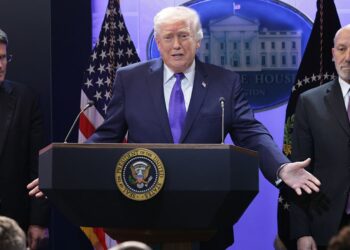
At a grand Independence Day ceremony in Washington, with First Lady Melania Trump by his side, the president dismissed criticism amid the pomp of a B-2 stealth bomber flyover and fighter jets. Trump declared, “What we’ve done is put everything into one bill. It’s never happened before. It’s the biggest bill of its type in history. We’ve never had anything like that before.”
The bill is estimated to add $3.4 trillion to the national deficit over ten years and includes the largest cuts to Medicaid since its inception in the 1960s. Analysts warn that up to 17 million Americans could lose coverage, with rural hospitals especially hard hit.
Despite passing, the bill deeply divided Republicans, scraping through the House by just four votes, 218 to 214. Grand Old Party (GOP) Speaker Mike Johnson rallied last-minute holdouts and earned public thanks from Trump. Even former ally Elon Musk criticized the bill, calling it “fiscally reckless.”
The signing caps two weeks of wins for Trump, including a Supreme Court ruling limiting judges’ power to block his policies, a North Atlantic Treaty Organization (NATO) spending deal, and a ceasefire between Iran and Israel, following what Trump described as “flawless” U.S. airstrikes.
Democrats argue the bill represents a massive wealth shift from the poorest Americans to the richest, hoping public anger will help flip the House in 2026. For now, Trump celebrates a legislative victory, but battle lines are already being drawn ahead of the 2026 midterms.