



 Finance
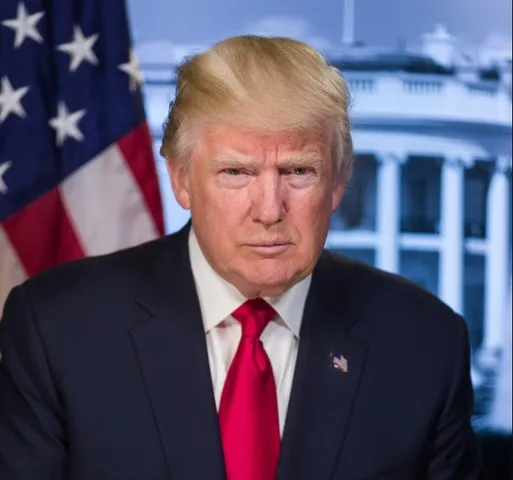
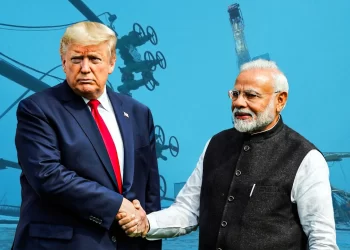
Just after midnight on Thursday, US President Donald Trump’s massive tariffs that target over 90 nations went into effect, signaling a dramatic increase in the trade war. “It’s midnight! The United States of America is currently receiving tariffs worth billions of dollars! Trump posted on Truth Social.
In an earlier post on Wednesday, Trump had said: “Reciprocal tariffs take effect at midnight tonight! Billions of dollars, largely from countries that have taken advantage of the United States for many years, laughing all the way, will start flowing into the USA.”
India, as part of the first tranche, faces 25 per cent tariffs. However, this was doubled on Wednesday by the US President to 50 per cent, with the addition 25 per cent kicking in after a 21-day window.
According to a White House statement, in order to “deal with the national emergency stemming from Russia’s actions in Ukraine,” the US will impose “an additional 25 per cent ad valorem duty” on top of the 25 per cent reciprocal duties that were imposed on August 1. According to the executive order, this tariff is judged necessary and suitable because of India’s “direct or indirect import of Russian Federation oil,” which the President believes will better meet the national emergency.
Before Thursday, goods into America saw a minimum 10 per cent tariff but now the rates vary for different countries. While the highest rates imposed are on goods from Brazil (50%), Laos (40%), Myanmar (40%), Switzerland (39%), Iraq (35%) and Serbia (35%), 21 countries face levies greater than 15% — Vietnam (20%), India (25%), Taiwan (20%) and Thailand (19%).
100% tariffs on semiconductors?
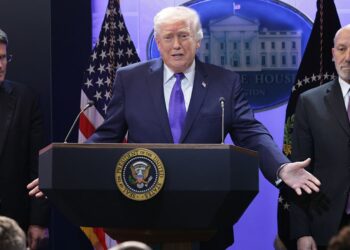
Trump also said on Wednesday that the United States would impose a tariff of about 100 percent on imported semiconductors, but he pointed out a significant exception: businesses who now manufacture in the United States or have committed to doing so will not be subject to the levy. The news that Apple will be investing an additional $100 billion in its US business coincided with his announcement.
“For companies like Apple, which have committed to build in the United States, there will be no charge,” Trump told reporters in the Oval Office. However, he cautioned that firms must follow through on their pledges to set up production in the US. “If, for some reason, you say you’re building and you don’t build, then we go back and we add it up, it accumulates, and we charge you at a later date, you have to pay, and that’s a guarantee,” he said, according to Reuters.
These remarks did not amount to a formal tariff policy, and it is still unclear how these actions would be implemented and what impact they would have on international companies and countries.
Tariffs on other countries
Here are the present tariff rates at a glance, as reported by Reuters:
| Country | Tariff (%) |
|
Afghanistan
|
15%
|
|
Algeria
|
30%
|
|
Angola
|
15%
|
|
Bangladesh
|
20%
|
|
Bolivia
|
15%
|
|
Bosnia and Herzegovina
|
30%
|
|
Botswana
|
15%
|
|
Brazil
|
10%
|
|
Brunei
|
25%
|
|
Cambodia
|
19%
|
|
Cameroon
|
15%
|
|
Chad
|
15%
|
|
Costa Rica
|
15%
|
|
Côte d`Ivoire
|
15%
|
|
Democratic Republic of the Congo
|
15%
|
|
Ecuador
|
15%
|
|
European Union
|
0%–15%
|
|
Equatorial Guinea
|
15%
|
|
Falkland Islands
|
10%
|
|
Fiji
|
15%
|
|
Ghana
|
15%
|
|
Guyana
|
15%
|
|
Iceland
|
15%
|
|
India
|
25%
|
|
Indonesia
|
19%
|
|
Iraq
|
35%
|
|
Israel
|
15%
|
|
Japan
|
15%
|
|
Jordan
|
15%
|
|
Kazakhstan
|
25%
|
|
Laos
|
40%
|
|
Lesotho
|
15%
|
|
Libya
|
30%
|
|
Liechtenstein
|
15%
|
|
Madagascar
|
15%
|
|
Malawi
|
15%
|
|
Malaysia
|
19%
|
|
Mauritius
|
15%
|
|
Moldova
|
25%
|
|
Mozambique
|
15%
|
|
Myanmar (Burma)
|
40%
|
|
Namibia
|
15%
|
|
Nauru
|
15%
|
|
New Zealand
|
15%
|
|
Nicaragua
|
18%
|
|
Nigeria
|
15%
|
|
North Macedonia
|
15%
|
|
Norway
|
15%
|
|
Pakistan
|
19%
|
|
Papua New Guinea
|
15%
|
|
Philippines
|
19%
|
|
Serbia
|
35%
|
|
South Africa
|
30%
|
|
South Korea
|
15%
|
|
Sri Lanka
|
20%
|
|
Switzerland
|
39%
|
|
Syria
|
41%
|
|
Taiwan
|
20%
|
|
Thailand
|
19%
|
|
Trinidad and Tobago
|
15%
|
|
Tunisia
|
25%
|
|
Turkey
|
15%
|
|
Uganda
|
15%
|
|
United Kingdom
|
10%
|
|
Vanuatu
|
15%
|
|
Venezuela
|
15%
|
|
Vietnam
|
20%
|
|
Zambia
|
15%
|
|
Zimbabwe
|
15%
|
Tariffs have increased for certain allies, such as Canada, while others, like the UK, Japan, and South Korea, have negotiated reduced rates. After Trump accused Canada of not controlling fentanyl trafficking, the country raised its tax from 25% to 35%. Nonetheless, the USMCA trade agreement continues to protect the majority of Canadian exports.
While negotiations continue, tariffs on Mexican goods have been temporarily suspended for ninety days.
According to the BBC, the European Union and Washington came to a framework agreement whereby the EU agreed to a 15% tariff on EU imports in exchange for concessions.
Source: IE