


 Finance
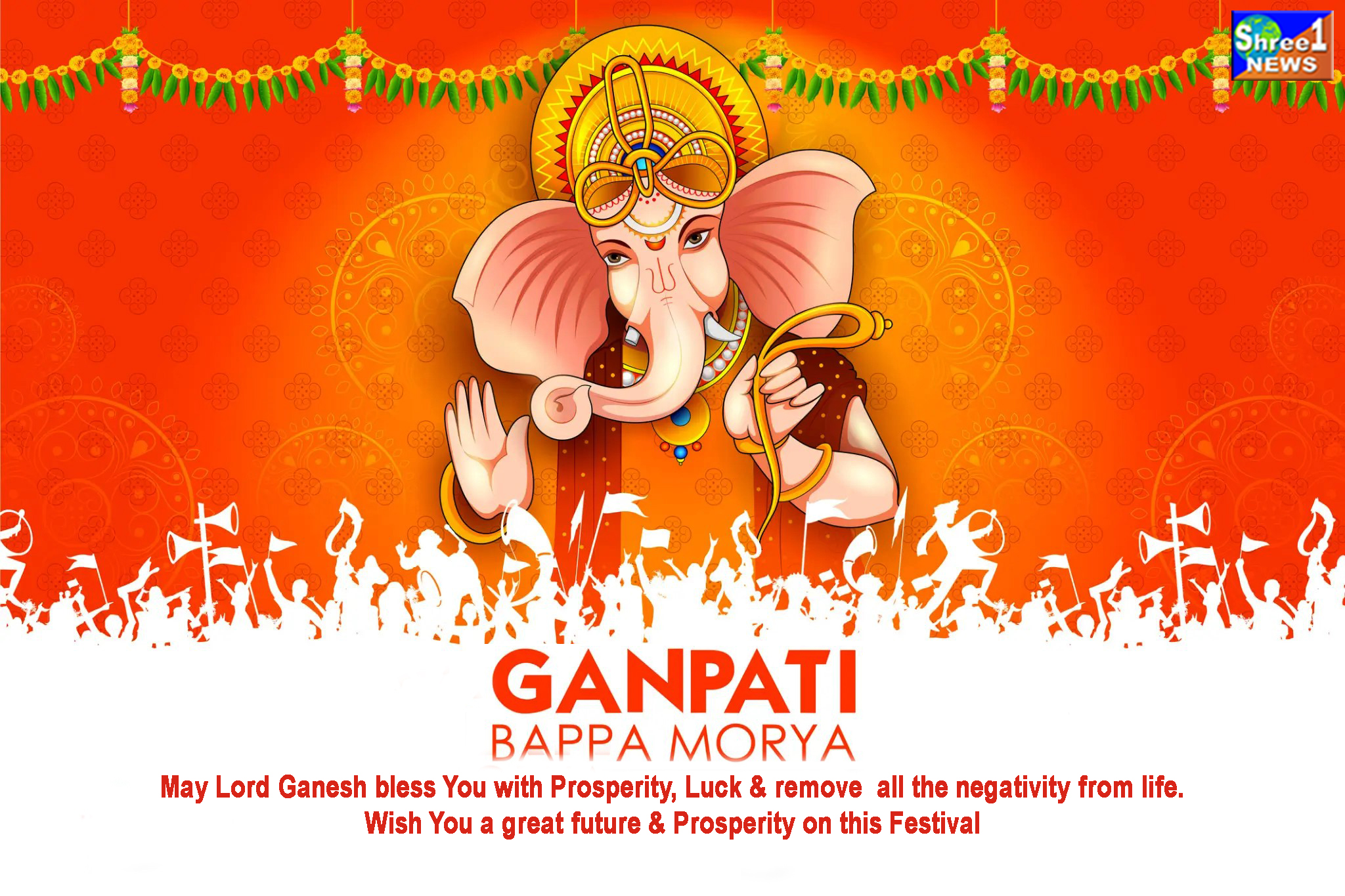
Ganesh Chaturthi is a major Hindu festival that is celebrated across India with great fervour. As the god of intelligence, wealth, and good fortune, Lord Ganesha is worshipped as the one who removes barriers. The event is a chance to ask for his blessings and direction.
The event known as Ganesh Chaturthi (guh-NESH cha-TUR-thee) honors Lord Ganesh, the remover of obstacles, and commemorates the day of his birth. Before starting a new project, intellectual adventure, or business venture, many people worship Lord Ganesh because they understand that he brings order to the cosmos. As a result, sculptures or pictures of him are frequently found in these places.
Ganesha, the son of Shiva (the God of Transformation) and his wife Parvati, is one of the most respected figures in Hinduism. He is well known for having the head of an elephant.
His birth is commemorated annually with a 10-day celebration that includes four primary rituals: Prana Pratishta, Shodashopachara, Uttarpuja, and Ganpati Visarjan.
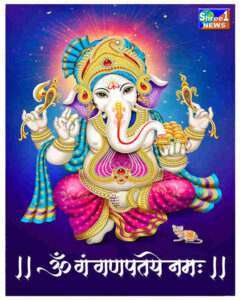
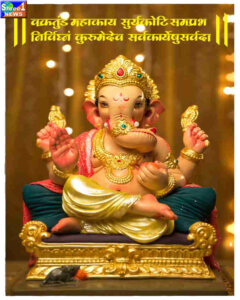
The festivities start with the putting up of Ganesha statues, which are often made of clay and embellished with lights and flowers, in either private residences or makeshift public platforms known as pandals. The clay god is then offered formal prayers in a 16-step devotion called Shodashopachara, following the priests’ performance of Prana Pratishta, a rite in which mantras are sung to invoke Ganesha’s presence.
Prasad, or food sanctified by the deity, is given out to the community on each day of the celebration. While many decide to observe fasts, followers also reflect on the various facets of his body, which represent more profound spiritual truths.
Uttarpuja, a rite that bids Ganesha farewell, is conducted on the final day of the festival. He is then taken to a nearby body of water and submerged there while kirtan (devotional music) plays in a public procession. This tradition, known as Ganpati Visarjan, marks his return to Mount Kailash, a Himalayan peak believed to be home to Shiva and Parvati.
Ganesha Chaturthi’s actual historical origins are unknown, however some historians think the festival gained widespread recognition in the 1600s after being supported by Shivaji Bhosale I, the Indian monarch.
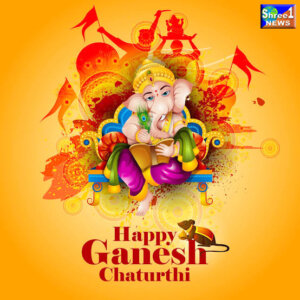
Why Do We Celebrate Ganesh Chaturthi
It is believed that Lord Ganesha was created by Goddess Parvati from the paste on her body to guard a chamber when she bathed. She had issued stern directives to keep everyone out of the room. Although Lord Shiv wasn’t home at the time, Ganesha blocked his way and prevented him from entering when he did return. In a frenzy of wrath, Lord Shiv decapitated Lord Ganesha. However, Goddess Parvati became agitated upon her return and insisted that Lord Shiva restore him back to life. At that point, Lord Shiva brought Ganesha back to life by replacing his head with the head of an elephant, the first live creature he had discovered.
People frequently start new enterprises, move into new homes, or embark on new ventures on this auspicious day to commemorate new beginnings.
How is Ganesh Chaturthi (Ganesh Puja) Celebrated
A few regions of India, including Andhra Pradesh and Maharashtra, celebrate the Ganesh festival for ten days. It’s a public event. Sweets are offered. On the day of the celebration, clay idols of Vinayaka are put in houses or outdoor in decorated tents for the people to witness and give their devotion. Schools and colleges also install clay idols of Ganesh.
What Rituals are Observed for Vinayaka Chaturthi?
Though the festival is the same and has similar connotations across India, each region has slight variations in rituals and traditions. The celebrations last between 7 and 10 days at different places. A few common observances are:
- Installation of Ganapati statue: A statue of the Elephant God is installed on a pedestal either at home or in a public place with a pranprathishtha puja.
- Not looking at the moon: On the first night of the festival, people avoid looking at the moon because it is considered a bad omen.
- Prayers: Washing of the statue; puja with the chanting of shlokas and offerings of flowers and sweets; and aarti, i.e. circumlocution of the idol with a plate filled with a lit earthern/metal lamp, kumkum and flowers, is done. Prayer meetings are also conducted at Ganapati temples and public installations every day in the evenings and in some places, in the mornings as well.
- Special performances: Some public installations of Lord Ganesh might also have performances with dance, music, and skits.
- Making and eating modak: Modak is believed to be Ganapati’s favourite sweet. So, these dumplings are made and distributed as prasad during the festival. Other food items such as laddoo, barfi, pedha, and sundal are also distributed during this time.
- Visarjan: This is the immersion of the idol in a water body and is conducted on the last day – anywhere between the seventh and eleventh days – of the festival. Alongside the idol, there is a parade of people chanting songs, shlokas, and bhajans. People ask God to help them stay on the straight and narrow and ask for forgiveness for the mistakes they have made thus far. Ganesha is praised for his visit to the house or neighborhood, for clearing people’s paths of impediments, and for the good fortune he bestows.
“Happy Ganesh Chaturthi”