




 Finance
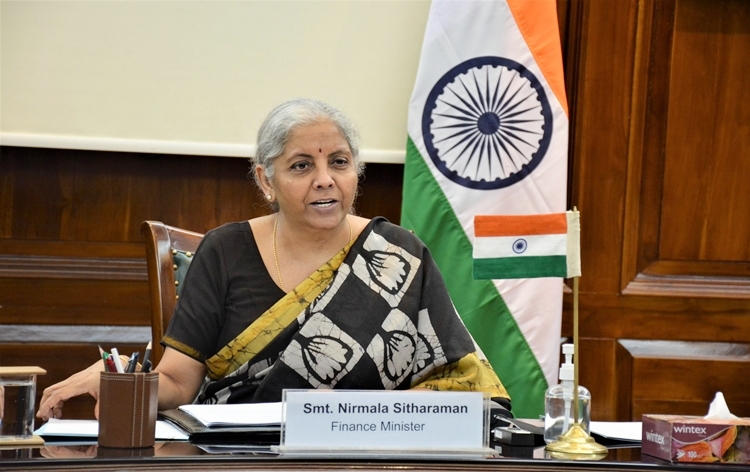
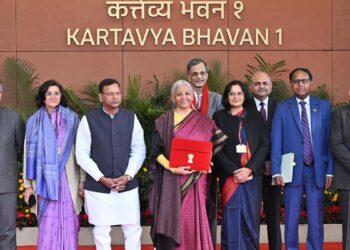
Finance Minister Nirmala Sitharaman stated that the GST changes, which went into effect on Monday, will assist the poor, middle class, new middle class, youth, kisan, women, shopkeepers, and udhyami (entrepreneurs).
The rate cuts (5 percent and 18 percent) will not only help local industries, but will also bring about cooperative federalism.
“We should all work to accelerate growth, make it easy for business to function and be attractive for investment. Such a big tax reform became possible by taking all states together, since 2017,” said the finance minister, citing Prime Minister Narendra Modi’s address to the nation on Sunday.
“PM Modi’s address to the nation had several messages. Unfortunate, that despite a positive and direction-setting address, our opposition party and its SM (social media) eco-system spread negativity and baseless criticism,” she noted in a post on X.
According to her, GST amendments have lowered the tax burden on individuals.
Items previously taxed at 12% and 18% have been substantially shifted to the cheaper 5% bracket. Certain necessities are now tax-free. This change will greatly help the 1.4 billion Indians.
Furthermore, a separate 40% tax category has been established for commodities deemed dangerous or excessively luxurious, such as cigarettes, tobacco, pan masala, soft beverages, and high-end luxury vehicles.
The GST Council, which includes members from all states and union territories, overwhelmingly accepted the reforms.
The simpler structure, according to the Centre, will immediately lower the price of necessary items, increase consumption, and improve economic activity.
According to the Prime Minister, over 99 percent of products that were previously taxed at 12% have now been shifted to the 5% category. He emphasized that this reform will make necessary and lifestyle commodities, such as groceries and medicines, TVs, refrigerators, two-wheelers, cars, and even hotel stays, more affordable to citizens.
Source: IANS