





 Finance
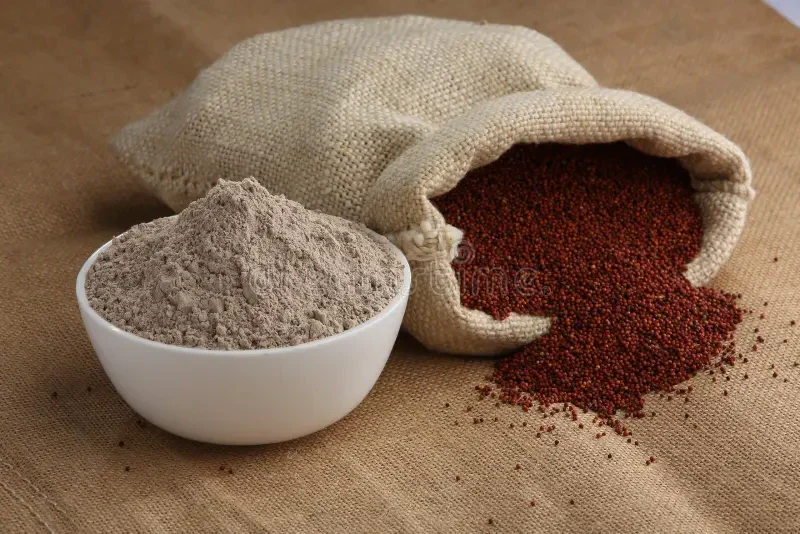
Ragi, often called finger millet/mandia, is a very nutritious cereal. It is abundant in dietary fiber, complex carbs, and high-quality protein, making it an ideal food for long-term energy release and hunger control. According to Ayurveda, it contains cooling characteristics, which make it a must-have throughout the summer. Scroll down to discover about six health benefits of drinking Ragi throughout the summer months.
Natural cooler
Ragi is thought to have natural cooling characteristics that help regulate body temperature, making it great for combating the summer heat. It can be eaten as ragi malt or porridge to keep the body hydrated and cool. Ragi is considered a cooling food in Ayurveda, and it is especially useful for people with a Pitta dosha since it helps to reduce excess heat and acidity in the body.
Rich in calcium
It is one of the best plant-based suppliers of calcium, which promotes healthy bones and teeth. According to one study, ragi has approximately 320 to 344 mg of calcium per 100 grams, which is more than several other millets. It has also been shown to strengthen bones and lower the risk of osteoporosis.
Aids in digestion
Ragi is also high in dietary fiber, which aids digestion, prevents constipation, and supports gut health. According to studies, ragi is high in dietary fiber, particularly resistant starch, which avoids enzymatic digestion in the small intestine and ferments in the colon. Ragi’s high fiber content promotes bowel regularity and reduces constipation, which contributes to overall gut health and function.
Keeps you full for longer
It contains complex carbohydrates, which assist to slowly release energy, keeping you full and energized for longer periods of time.This helps to prevent sluggishness and frequent snacking during warm weather.
Aid weight loss
Ragi is low in fat and high in fiber, which helps to naturally limit hunger and manage weight—especially in the summer, when people prefer lighter, healthier meals. It can be consumed in the form of a smoothie, shake, or porridge to help regulate weight.
Control blood sugar levels
It has a low glycemic index, which helps to control blood sugar levels. According to studies, ragi’s GI ranges between 51 and 68, indicating that it distributes glucose slowly and evenly into the circulation, reducing rapid blood sugar rises after meals. This gradual carbohydrate release contributes to stable blood glucose levels, which is essential for diabetes control. Furthermore, ragi’s high dietary fiber content slows digestion and glucose absorption, contributing to decrease postprandial blood glucose levels.