


 Finance
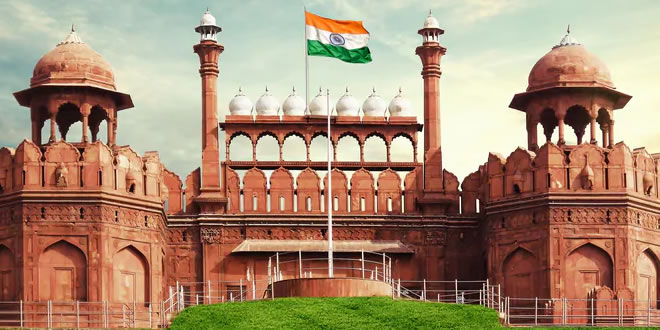
The national flag is a symbol of unity and pride for a country, and India is no exception. Two events in India are marked by the national flag taking center stage: Republic Day and Independence Day.
Independence Day is celebrated on August 15, 1947, the day India gained independence from British rule following the passage of the Indian Independence Act. At that time, India was divided along religious lines, and Pakistan was created as a separate nation. Republic Day is observed to honor the 26th Republic of 1950, the day the Indian Constitution went into force. The Constitution was adopted by the Indian Constituent Assembly on 26 November 1949 and came into effect on 26 January 1950 with a democratic government system.
While we unfurl the national flag on Republic Day (January 26), we hoist it on Independence Day (August 15). Though these two terms are similar, there is a vast difference between them. Let’s take a look at them:
What does hoisting the national flag mean?
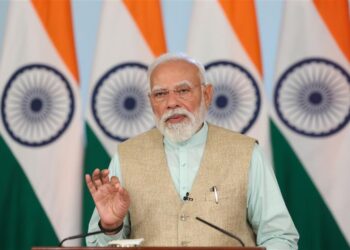
We raise the national flag from the base of the pole and let it fly freely at the top when we hoist it. The Prime Minister, speaking on behalf of the government, raises the Red Fort in Delhi as the location for this.
Why is the national flag hoisted on Independence Day?
On Independence Day, the prime minister raises the national flag at Delhi’s Red Fort. This represents India’s 1947 independence from British domination. The national anthem is played during this occasion to commemorate the nation’s independence. On Independence Day, a flag hoisting ceremony takes place, followed by Prime Minister’s address. There are some cultural performances by the children on the same day.
What does unfurling the national flag mean?
By unfurling, we simply mean unfolding the national flag, which is already at the top of the pole. For this, the venue is the Kartavya Path in Delhi.
Why do we unfurl the national flag on Republic Day?
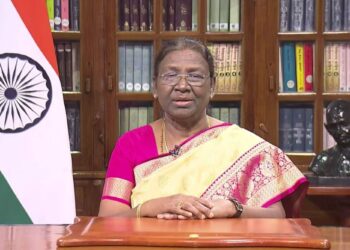
On Republic Day, the President unflurs the national flag at New Delhi’s Kartavya Path. India had already achieved independence in 1947, and on November 26, 1949, the Constitution was ratified. It became operative on January 26, 1950. India has already achieved independence and is now a democratic, independent republic, as evidenced by the raising of the national flag.
On Republic Day, a flag unfurling ceremony takes place, followed by a parade that includes a march by the Indian Army, Indian Navy, Indian Air Force, and Police Departments, along with the tableau of all the states and Union Territories take place. Cultural performances by children are also included in the ceremony.