




 Finance
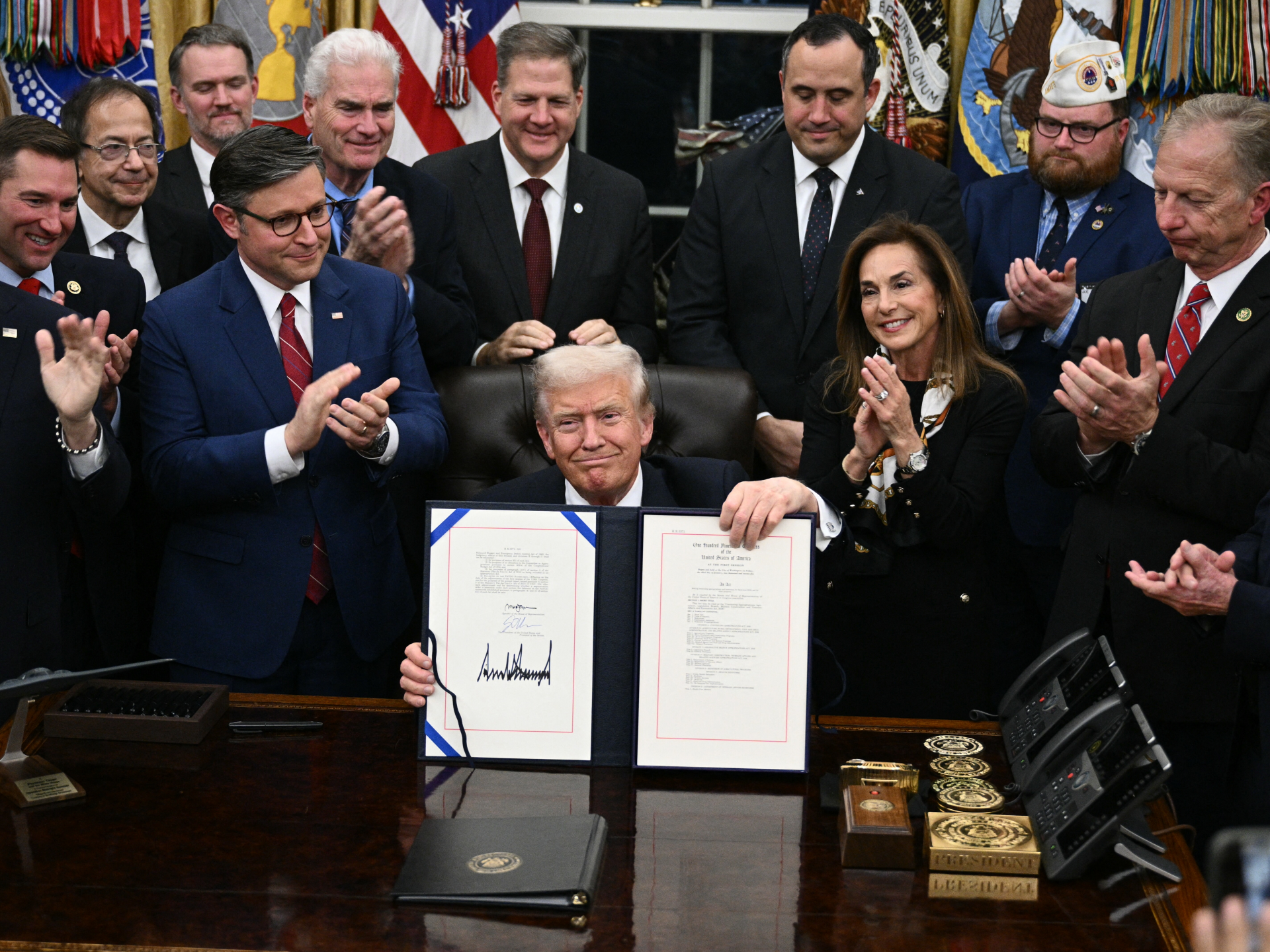
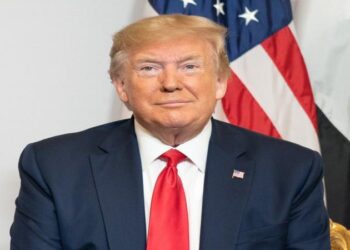
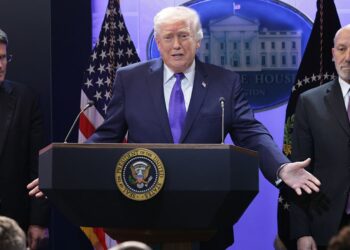
The longest government shutdown has ended, with President Donald Trump signing legislation passed by Congress to temporarily finance federal operations.
The deadlock between Republicans and Democrats, which had paralyzed the government for 42 days, ended on Wednesday when the House of Representatives voted to adopt legislation enacted by the Senate to resolve the impasse.
It was a loss for the Democrats, whose demands for extending subsidies for the health insurance program approved during former President Barack Obama’s presidency and widely known as Obamacare were not met.
“It’s a great day”, Trump said after signing the bill, which the Republicans consider a triumph as they got it through Congress without giving in to the Democrats’ demands.
The legislation for interim funding until a budget is passed was held up in the Senate because the majority Republican Party lacked the 60 votes needed to take it to a vote under procedural rules.
The deadlock was broken when eight Democrats crossed the floor to vote with the Republicans to bring the bill to a vote on Monday.
The majority of federal operations, from air travel to subsidised or free food programs for the poor, can now resume, albeit it may take some time for them all to be completely operational.
All federal employees, even those who were unable to work during the shutdown, will receive their back pay.
Some, like the air traffic controllers, airport security staff and certain categories of essential workers, worked without pay during the shutdown.
Referring to next year’s Congressional elections and the problems caused by the shutdown, Trump said at the signing, “I just want to tell the American people, you should not forget this when we come up to the midterms”.
However, Democrats’ leader in the House, Hakeem Jeffries, said, “Either Republicans finally decide to extend the Affordable Care Act (Obamacare) tax credits this year, or the American people will throw Republicans out of their jobs next year”.
According to the legislation, most government operations will be supported until the end of the year, when a budget must be prepared.
Some projects, such as services for retired military members and meals for the underprivileged, which are projected to number 42 million, will be funded until September.
The House votes were primarily political, 222 to 209, with six Democrats supporting the Republican majority and two Republicans opposing it.
Although the standoff may have contributed to the Republican Party’s losses in elections this month, as Trump admitted, it was also taking a toll on Democratic Party supporters who worked for the federal government and were not paid, as well as the poor who relied on government assistance.
This wore on several Democrats in the Senate, who chose to terminate the shutdown.
Democrat Congresswoman Marie Gluesenkamp Perez, who voted with Republicans in the House to end the shutdown, represented the tone.
She stated that none of her acquaintances who rely on food assistance “would want to trade their dinner for an ambiguous [Washington] DC beltway’messaging victory'”.
The defections, however, have caused a schism in the party, with some Democrats criticizing the party’s Senate leader, Chuck Schumer, for failing to stop the defections.
Trump has threatened to repeal Obamacare, proposing distributing subsidies directly to those who are eligible and allowing them to utilize them to purchase their own insurance.
He claimed that the subsidies benefit insurance companies, enriching them and driving up their stock prices.
Hidden in the law is an unnecessary provision that makes it illegal for federal prosecutors to search senators’ phone records without notification and gives up to $500,000 in compensation for violators.
It goes back to 2022 and was prompted by prosecutors reviewing senators’ phone data during investigations into the January 2021 protests by Trump supporters who broke into the Capitol as Congress was ratifying former President Joe Biden’s election.
Source: IANS