





 Finance

We are all aware that dehydration can cause a headache or lethargy, but there is much more to the problem. According to recent studies, dehydration may also increase our susceptibility to stress – and not in a little manner. Dehydration can make your daily life difficult!
In a study published in the Journal of Applied Physiology, researchers discovered that those who drank less than 1.5 litres of fluid per day had stress hormone spikes that were more than 50% larger than those who stayed hydrated. Those few extra sips of water may actually provide a stronger buffer against everyday stressors than you might expect.
The study at a glance
Liverpool John Moores University researchers examined two groups: one that consistently drank less than 1.5 litres per day (the low-fluid group) and another that consumed the recommended amount—around 2 litres for women and 2.5 litres for men. After a week of their typical activities, individuals were subjected to a staged stress test (fake job interview and mental math). Despite identical levels of anxiety and heart rate responses, the dehydrated group experienced a cortisol surge that was more than 50% higher.
Why does dehydration amplify stress?
If you’re preparing for a presentation or a deadline, dehydration may cause your body’s physiology to overreact, rather than your nerves. New research shows that dehydration can increase the stress hormone cortisol by 50%. Learn how hydration improves your body’s ability to withstand pressure. Even if you don’t feel thirsty, your head may be filled with messages that increase tension.
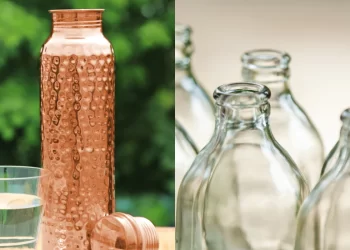
A simple practice, such as keeping a water bottle nearby, may help your body remain calmer, stronger, and better prepared for the day ahead.
Basic hydration routines for enhanced stress handling
- Drink small amounts of water regularly during the day — particularly prior to stressful activities
- Take urine colour as your hydration indicator: light yellow typically indicates you are hydrated
- Add water-intensive foods such as fruits and vegetables to your beverages
- Change consumption when exercising, in a warm environment, or when experiencing fluid loss (e.g., sweating or illness)
- Create reminders if hydration slips during hectic workdays or while travelling
This study presents a good takeaway: hydration is more than just a question of physical health; it has a direct impact on how your body handles stress. In an era where continual pressure is the new normal, hydration might be one of your most effective, underutilized resilience tools.
(Disclaimer: The article’s advice and recommendations are meant primarily as general information and should not be interpreted as expert medical advice. Before beginning any exercise program or making any dietary changes, always get advice from your doctor or a dietitian.)