




 Finance
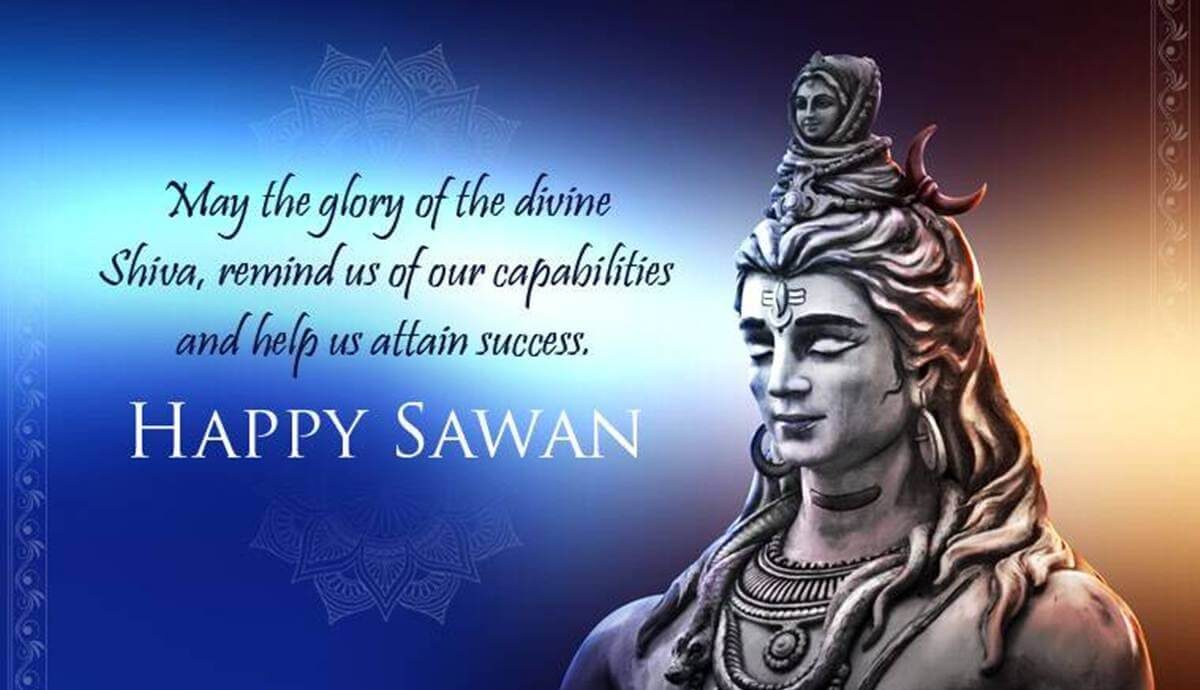
Sawan, also known as Shravana or Sawan Maas, is a significant spiritual date in the Hindu calendar. This season, traditionally commemorated during the monsoon months of July and August, is considered extremely auspicious for Lord Shiva worship. Throughout the month, devotees across India perform a variety of rituals linked with inner cleanliness, dedication, and spiritual elevation.
The holy month of Sawan (Shravan) has a particular place in the hearts of Lord Shiva worshippers. This holy month is known for its intense spiritual energy and is entirely dedicated to the worship of Bhalenath (Lord Shiva).
Sawan Somwar, or Monday of Sravan, is regarded the most auspicious and strong day of Sawan. Fasting, prayer, and spiritual activities observed during the Sawan Somwar fast are thought to bring liberation from blessings, peace, marital harmony, and sin. This site explores the history, spiritual significance, relevance, 2025 dates, and customs linked with this heavenly celebration.
This month is dedicated completely to Lord Shiva and is celebrated with fasting, special prayers, and ceremonial sacrifices. Mondays, particularly Shravan Somwar, are considered exceedingly sacred. On Mondays, adherents undertake rituals such as abhishekam, which involves pouring offerings like water, milk, curd, or ghee over a Shiva Linga. Meditation, yoga, and other spiritual disciplines are also commonly practiced, reinforcing the focus on self-discipline and divine connection during this holy month.
History of Sawan and Sawan Somwar
The origin of Sawan Somwar lies in ancient Hindu mythology and sacred texts. According to the Shiva Purana, during the cosmic event, known as Samadra Manthan (The Manthan of the Ocean), a deadly poison called Halahla. To protect the universe from destruction, Lord Shiva consumed poison and grabbed it around his neck, which turned into blue – earned it by the name Neelkant. To reduce his pain, the gods and devotees began offering him cold elements such as milk and water, and this practice eventually became the foundation of Sawan Puja. Since this cosmic event took place during the month of Shravan, it became a time of devotion, gratitude and penance.
According to mythology, Devi Sati committed herself after discovering that her father had upset Bhagwan Shiv (her husband) by failing to invite him to an important Yagna attended by all Devtas. Devi Sati was reincarnated as Devi Parvati in Maharaj Himavan’s abode (Himalaya).
Devi Parvati practiced Tapasya throughout the Shravan month to satisfy Bhagwan Shiv, whom she intended to marry. Bhagwan Shiv was happy with her Tapasya and chose to marry her.
Another tradition claims that on Devshayani Ekadashi, barely four days before Shravan’s month begins, Bhagwan Vishnu, the universe’s preserver, falls into a four-month sleep.
Bhagwan Shiva, also known as the destroyer, takes command and maintains the universe’s balance.
Many people use this month to worship the Lord. Devotees celebrate the Sawan or Shravan month by fasting and praying to Lord Shiva and Goddess Parvati, who protects his followers from harm and provides them with good health, peace, and a long life. Many people just begin a search for dissolution in order to abandon all of their minor concerns and embrace the Divine. That is the true celebration—a complete comprehension of life and everything else.
Importance of Sawan Somwar
1. Special relationship with Lord Shiva The entire month of Sawan is dedicated to Lord Shiva, but Monday (Somwar) is particularly powerful because he is traditionally considered Shiva’s favorite day.
2. Somwar Vrat (Monday fast) Sawan Somvar Vrat is one of the most important fasts for Shiva devotees. People see it: Look for the blessings of Lord Shiva Get marital bliss and harmony Fulfilling desires and remove obstacles from life
3. Spiritual upliftment It is believed that it is believed to bring Sawan: Inner peace and power Conflict with material desires Purification of mind, body and soul
Do’s and don’ts of Shiv Puja during Sawan
For an ideal Shiv Puja during Sawan:
Begin with cleansing the body and wearing fresh clothes.
Avoid wearing torn or black garments during worship.
Always sit facing the east or north while performing rituals.
Offer Ganga Jal or clean water to Lord Shiva, followed by other sacred items like milk, curd, ghee, Belpatra, Shamipatra, Dhatura, Bhang, sandalwood paste, ash (bhasma), clothes, and flowers.
End the offerings with satvik items such as fruits and sweets.
While meditating, chant the sacred mantra ‘Om Namah Shivaya’ internally.
End the ritual with Shiva’s aarti, distribute the prasadam among others, and partake of it as well.
This holy period is observed as an opportunity to attain peace, cleanse karmic burdens, and deepen spiritual awareness through devotion and discipline.
Sawan fasting scientific and Ayurvedic relevance
When the body’s digestion slows down, spring arrives during the monsoon season. Ayurveda advocates eating light and detoxifying during this time. Fasting on Sawan Somwar promotes metabolism and improves immunity. Clean toxins Provide mental clarity and peace. As a result, spring fasting is beneficial to both spiritual and physical health.
Rituals of Sawan Somvar
1. Early Morning Bath and Cleanliness
Devotees wake up early, take a holy bath, preferably in a river or pond, and wear clean white or saffron clothes.
2. Fasting (Vrat)
- Some observe a nirjala vrat (no food or water), while others take fruits and milk only.
- The fast is kept from sunrise to sunset and broken after evening prayers.
3. Shiva Abhishekam (Sacred Bathing of Shiva Lingam)
Devotees visit Shiva temples to perform Abhishek (ritual bathing) of the Shivalinga with:
- Milk
- Water
- Honey
- Curd
- Ghee
- Sugar (Panchamrit)
They also offer Bel Patra (Bilva leaves), Dhatura, white flowers, fruits, and incense.
4. Chanting and Bhajans
Mantras chanted include:
- “Om Namah Shivaya”
- Maha Mrityunjaya Mantra
- Shiv Tandav Stotram
- 108 Names of Lord Shiva
Devotional bhajans and aartis are sung in temples and homes.
5. Evening Aarti and Storytelling
Many devotees gather to perform Shiv Aarti and listen to or recite stories related to Lord Shiva, especially the tale of Sawan Somvar Vrat Katha.
Sawan- Benefits of Observing Somvar Vrat
- Fulfillment of wishes and desires
- Stronger marital bond and harmony
- Removal of past sins and karmic debt
- Protection from negative energies
- Attainment of inner peace and spiritual growth
The sacred observance of Sawan Somvar is more than simply a ritual; it is a magnificent spiritual journey that draws us closer to Lord Shiva. During this sacred month, devotees can purify their minds, achieve their wishes, and experience divine transformation by fasting, performing puja, and practicing devotion.
In Sawan, immerse yourself in Mahadev’s devotion and experience the timeless mercy of Bolenath.
“Har har Mahadev”