


 Finance
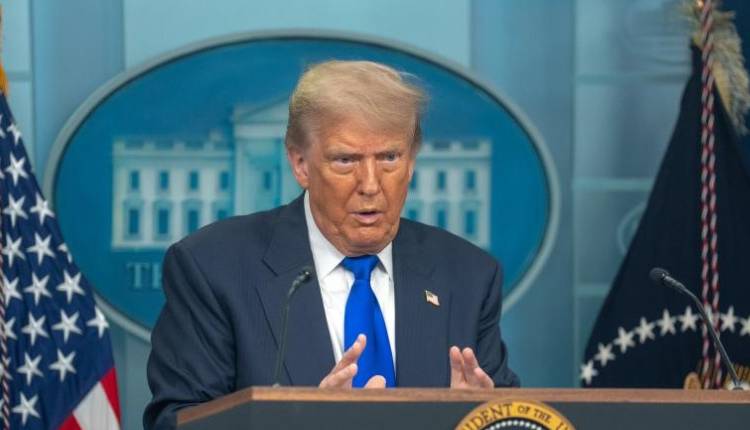
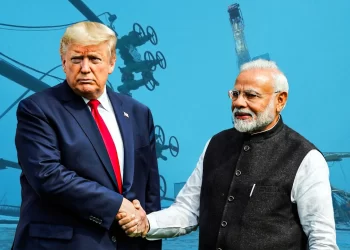
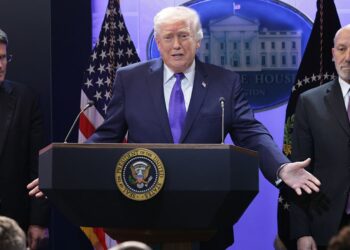
Following his administration’s decision to increase duties on Indian goods, US President Donald Trump has said that trade talks with India will not resume until a tariff issue is settled.
“No, not until we get it resolved”, he said when a reporter asked him if he expected more negotiations following the announcement of the 50 per cent tariff that is to take effect on August 27.
On Wednesday, the White House issued an Executive Order increasing the overall tax to 50% by slapping an extra 25 percentage points in tariffs on Indian goods. Citing both foreign policy and national security issues, the administration specifically mentioned India’s continued imports of Russian oil.
According to the order, these imports—whether direct or through middlemen—pose a “unusual and extraordinary threat” to the US and call for immediate economic action.
According to US officials, the initial 25% tariff came into effect on 7 August. The additional levy will take effect in 21 days and apply to all Indian goods entering US ports — with exceptions for items already in transit and certain exempt categories.
Additionally, the directive gives the president the freedom to change the measures in response to shifting geopolitical conditions or retaliatory steps by India or other countries.
In a speech at the MS Swaminathan Centenary International Conference in New Delhi, Prime Minister Narendra Modi of India gave a forceful response, indicating that New Delhi will not yield to economic pressure.
“For us, the interest of our farmers is our top priority,” PM Modi said. “India will never compromise on the interests of farmers, fishermen and dairy farmers. I know we will have to pay a heavy price for it, and I am ready for it. India is ready for it.”
Citing the possible effects on the livelihoods of millions of people in rural areas, India has continuously opposed opening vulnerable industries like dairy and agricultural to foreign competition.
As both sides squabble over issues of national interest and economic policy, the deadlock represents a dramatic increase in trade hostilities between the two nations.