




 Finance
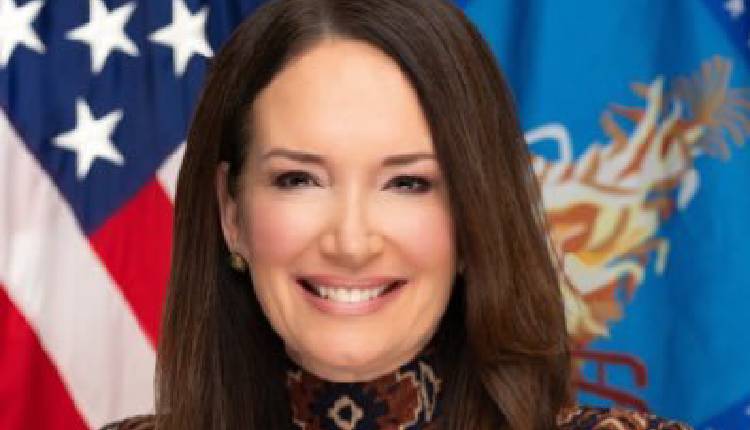
US Agriculture Secretary Brooke Rollins and Energy Secretary Doug Burgum both praised the US-India trade agreement, citing benefits for farmers, energy producers, and the overall US economy.
Rollins said the agreement would expand US farm exports to India’s large and growing market. “New US-India deal will export more American farm products to India’s massive market, lifting prices, and pumping cash into rural America,” she said.
She noted that in 2024 the US agricultural trade deficit with India stood at $1.3 billion. Rollins said India’s growing population makes it an important market for American farm goods and said the deal would go a long way toward reducing the deficit. She called the outcome an “America First victory.”
Burgum focused on energy ties and investment. “Dealmaker in Chief!” he said, praising President Donald Trump for securing increased US energy purchases. Burgum said the deal showed energy diplomacy at work and would strengthen international relationships while bolstering the US economy.
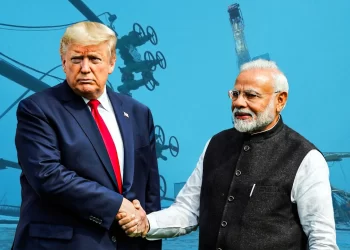
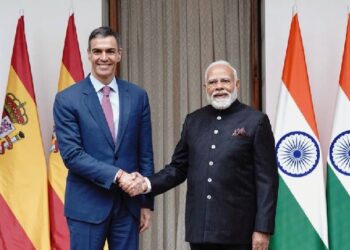
Earlier, Trump stated that a phone discussion with Prime Minister Narendra Modi led to the agreement, which reduced US tariffs on Indian imports to 18% and eased Indian trade obstacles on US products.
Trump stated that India would stop purchasing Russian oil and instead expand its imports of US energy, technology, and agricultural items. He stated that the deal would boost relations between the two countries and aid efforts to settle the conflict in Ukraine.
Former US diplomat Evan Feigenbaum called for a balanced response to the disclosure. He stated that the previous scenario in US-India commercial relations was unsustainable and that a deal was required.
Feigenbaum said the 18% tariff rate was better than previous levels, but warned that tariffs may be used as leverage on other matters. He also questioned if India could actually acquire $500 billion worth of US goods in the near future, stating that the estimates should be interpreted with caution.
He said the agreement improves the relationship from months ago, but warned that confidence lost during the recent impasse would take time to repair.
The accord comes after months of tense negotiations over tariffs and energy policy. Officials on both sides believe the agreement is designed to restore relations and pave the way for further collaboration in commerce, energy, and strategic sectors.
Source: IANS