



 Finance
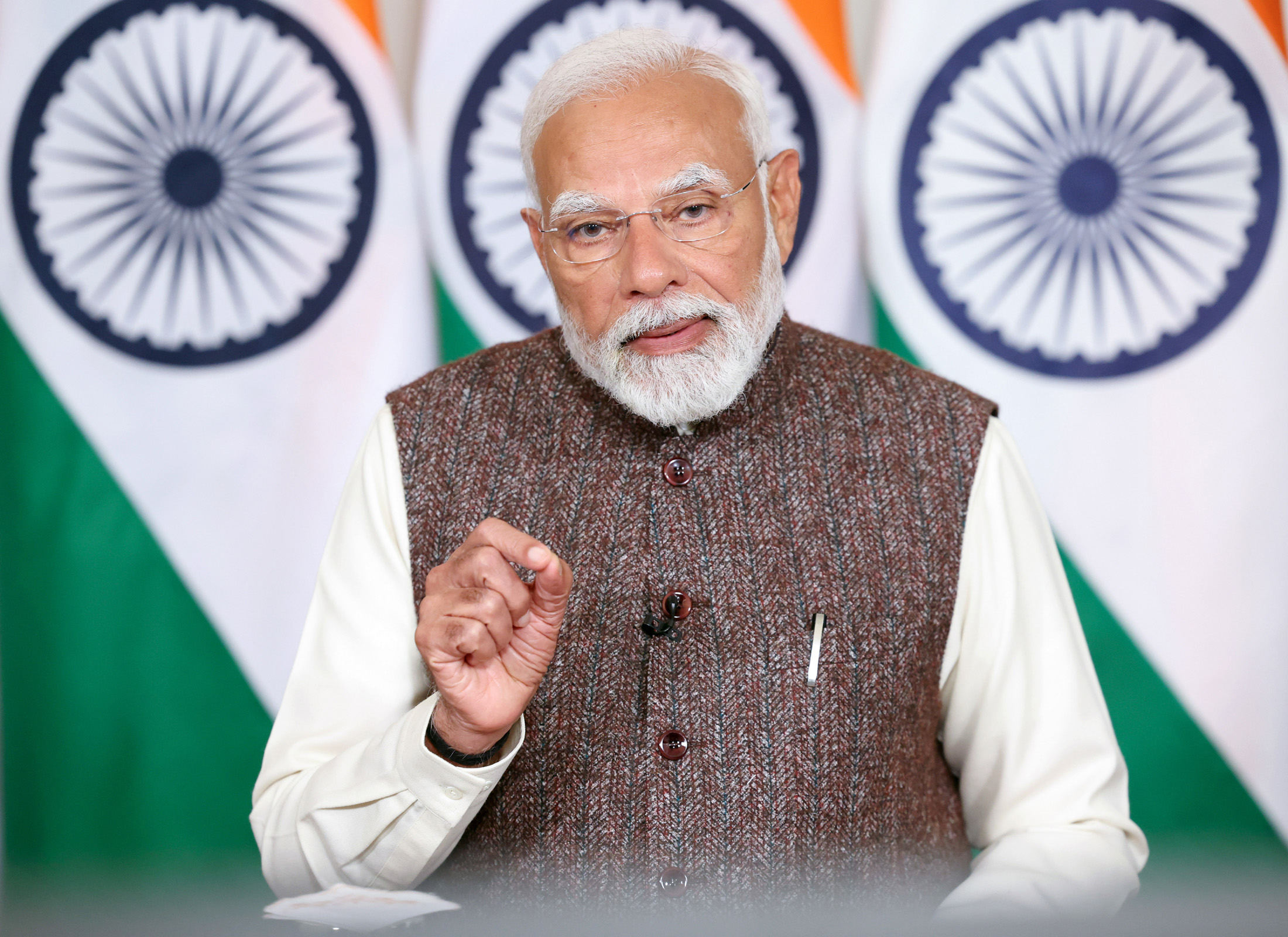
Prime Minister Narendra Modi announced on Wednesday that the GST Council has approved significant revisions to the indirect tax structure, describing it as a “next-generation” measure to reduce the burden on citizens and stimulate economic growth.
“The Union Government had prepared a detailed proposal for broad-based GST rate rationalisation and process reforms, aimed at ease of living for the common man and strengthening the economy,” Modi said in a post on X. He added that the Council, which includes both the Centre and the states, has “collectively agreed” to the proposals, which he said will benefit farmers, MSMEs, the middle class, women and youth.
The reforms include a two-tier GST rate structure of 5% and 18%, effective September 22. Finance Minister Nirmala Sitharaman stated that the Council’s decision was prompted by the need to support important economic drivers. Televisions will now be taxed at 18%, but life-saving cancer treatments are excluded from GST. The inverted duty structure would also be addressed, she stated.
On the other hand, items like cigarettes and paan masala will face the highest tax rate of 40%. Sitharaman stated that the compensation cess on tobacco goods will remain in effect until loans taken out under the GST compensation scheme are returned.
The decision came after a marathon 10.5-hour meeting – the 56th of the GST Council – where states and the Centre worked through contentious issues to finalise the new structure.
Modi stated that the reforms will not only cut the tax burden on ordinary citizens, but will also make compliance easier for small traders and businesses, reinforcing India’s promise of “ease of doing business.”
Source: IE