







 Finance
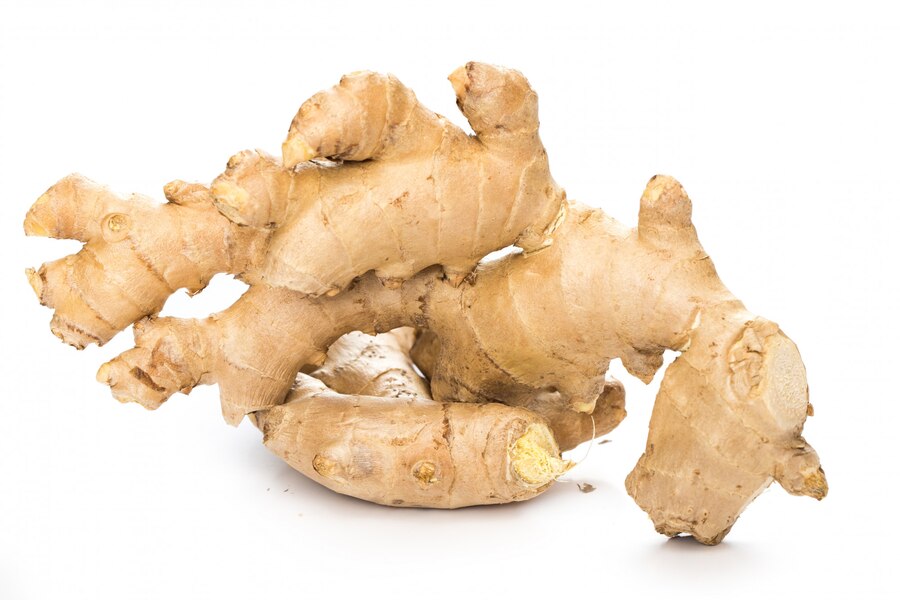
Ginger is used in a variety of recipes, including vegetables to tea. However, this root vegetable has several health benefits. Consuming it protects you from a variety of dangerous ailments. Ginger, which is high in medicinal characteristics, can treat a variety of serious disorders, including colds and coughs. It contains nutrients such as iron, calcium, iodine, chlorine, and vitamins, which protect the body from a variety of ailments. So, let’s learn when and how to eat ginger.
Consumption of ginger is effective in these problems:
Acidity: If you have acidity and heartburn after eating food, then consume ginger. It controls the amount of acid in the body. So drink a cup of ginger juice 10 minutes after eating food.
Reducing nausea and vomiting: Ginger is effective in reducing nausea and vomiting. Its consumption can help reduce nausea and symptoms of morning sickness.
Improves digestion: Ginger contains a bioactive compound called gingerol, which helps improve digestion by stimulating digestive enzymes. It also helps in relieving problems like gas, acidity, and bloating.
Weak Immunity: Ginger has antioxidant properties that help boost the body’s immunity and can help protect against infections.
Relieve joint pain: Ginger has anti-inflammatory properties that help reduce joint pain. Consuming it or applying it to the joints can reduce swelling and pain.
Effective in period pain: Ginger helps in reducing period pain. The anti-inflammatory properties found in it help in reducing pain and cramps.
How to consume ginger?
Ginger is typically consumed by adding it to tea. However, if you want to reap more benefits from it, drink its water rather than tea. Grate some ginger to make ginger water. Place the grated ginger in a glass of water and bring it to a full boil. Now, filter the water and sip it like tea. Honey can be added to this water for flavor.
Disclaimer: (The tips in this post are intended for general information only. Consult your doctor before beginning any workout program for health, changing your diet, or taking any disease-related therapy.)