





 Finance

Fruits are an essential part of any well-balanced diet since they are high in fiber, vitamins, minerals, and antioxidants. They provide several health advantages, such as lowering blood pressure and cholesterol, protecting against some types of cancer, and assisting in the maintenance of a healthy body weight. We couldn’t help but wonder which fruits are the best and worst for the digestive tract given the amount of talk about gut health.
Dietitian,shared the best fruits for optimal gut health and which ones to avoid.
Constipation
One of the best fruits to include in your morning routine is ripe papaya. “Papaya contains a powerful digestive enzyme called papain, which helps break down proteins and supports gut motility. Its high water content and natural fiber make it gentle yet effective in stimulating bowel movements,” she said.
Having papaya on an empty stomach not only promotes regularity but also prepares your digestive system for the day ahead without causing any heaviness.
Acidity
A red banana or a small yellow elaichi banana can be soothing options. Pectin, a soluble fiber that coats the stomach lining and reduces discomfort, is abundant in these bananas and naturally low in acid. Additionally, they contain potassium, which can aid in balancing the stomach’s pH levels.
She did, however, note that it is imperative to consume them when completely ripe because unripe bananas contain resistant starch, which can exacerbate bloating or cause delayed digestion in certain people. “Those with reflux should still monitor how their body reacts, even though bananas are generally safe,” she noted.
Bloating
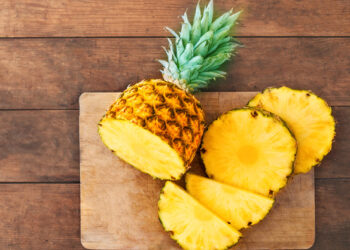
Feeling bloated or lethargic is a frequent reaction after a large or protein-rich meal. Pineapple can be a fantastic post-meal fruit in certain situations, according to dietician, Bromelain, a naturally occurring enzyme found in pineapples, helps break down protein and lessens gas and bloating. Additionally, this enzyme has minor anti-inflammatory properties that could assist ease gastrointestinal distress.
However, because pineapple is naturally acidic, people who are prone to gastrointestinal irritation or acid reflux should either avoid it altogether or consume it sparingly when their symptoms worsen.
Bonus: Protein-rich fruit
“Among commonly consumed fruits, guava stands out as the fruit with the highest protein content, providing approximately 2.6 to 3 grams of protein per 100 grams. It is also rich in dietary fibre, vitamin C, and antioxidants, all of which support digestive health, immune function, and overall well-being,” she said.
Which fruit to avoid
Many people turn to mosambi (sweet lime) when they have both constipation and indigestion because they believe its hydrating and vitamin-rich qualities would aid. However, according to dietician, that isn’t the case.
Mosambi lacks the powerful digestive enzymes present in fruits like papaya or pineapple, despite being pleasant and having some fiber. In sensitive people, its acidic nature may also result in bloating, particularly if taken in big amounts or right after a meal, she said. Therefore, mosambi might not be the greatest choice for someone who is actively having indigestion, even though it might aid with hydration and mild digestive assistance.
(Disclaimer: The article’s advice and recommendations are meant primarily as general information and should not be interpreted as expert medical advice. Before beginning any exercise program or making any dietary changes, always get advice from your doctor or a dietitian.)