





 Finance
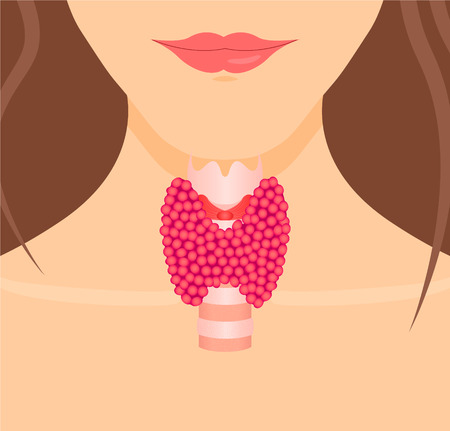
The thyroid is a small, butterfly-shaped gland in your neck, but its impact on your body is anything but small.
The thyroid is essential for maintaining heart rhythm, mood, and even menstrual cycles, as well as controlling metabolism and energy levels. Fatigue, weight gain, cold sensitivity, and hair thinning are just a few of the symptoms that might arise from this gland’s malfunction.
Although thyroid conditions, particularly hypothyroidism or hyperthyroidism, are frequently treated with medicine, some foods can promote thyroid health and may even be able to support your medical treatment.
But which ones are most effective — and are there any you should be cautious with? Know from an expert to understand more.
Four foods that naturally support thyroid function
Dr Shaily Sharma, consultant gynaecologist at Cloudnine Hospital, Faridabad, says, “Several foods are known to support healthy thyroid function due to their rich nutritional profiles.” These, according to her, are:
Seaweed: Seaweed, such as nori, kelp, and wakame, is a natural and potent source of iodine. Iodine is essential for the synthesis of thyroid hormones, and insufficient iodine intake can lead to hypothyroidism or goiter. However, excessive iodine should be avoided, especially in individuals already diagnosed with thyroid dysfunction.
Brazil nuts: These are another powerful food for thyroid support as they are rich in selenium. Selenium is a trace mineral that plays a key role in the activation of thyroid hormones and also helps protect the thyroid gland from oxidative stress and inflammation. Even just one or two Brazil nuts per day can meet the body’s selenium needs.
Eggs: Eggs are an excellent addition to the thyroid-friendly diet. They contain iodine and selenium, along with other essential nutrients like high-quality protein, which supports overall metabolism. Including whole eggs (not just egg whites) in the diet can help supply critical building blocks for hormone regulation.
Yoghurt and other dairy products: They are often fortified with iodine and are also a good source of vitamin D. Low levels of vitamin D have been associated with autoimmune thyroid disorders such as Hashimoto’s thyroiditis. Including dairy in moderation can help provide a balanced source of nutrients critical for thyroid function.
Commonly eaten foods that can interfere with thyroid function
Thyroid function can be affected by certain meals, especially in people who already have thyroid abnormalities. Goitrogens, which are found in cruciferous vegetables like broccoli, cabbage, and kale, can interfere with the thyroid’s capacity to absorb iodine. Even though these veggies are nutrient-dense and usually healthful, Dr. Sharma emphasizes that those who have hypothyroidism or an iodine shortage should eat them prepared and in moderation to lessen their goitrogenic effects.
She points out that the absorption of thyroid hormone replacement therapy may be hampered by soy and soy-based items like tofu and soy milk. Those on thyroid meds should refrain from eating soy within a few hours of taking their medication.
Gluten may also be problematic, particularly for individuals with autoimmune thyroid diseases like Hashimoto’s thyroiditis. “Gluten sensitivity or celiac disease may exacerbate inflammation and autoimmune response, and in such cases, a gluten-free diet might be beneficial under medical supervision,” recommends the doctor.
(Disclaimer: The article’s advice and recommendations are meant primarily as general information. Before beginning any exercise program or making any dietary changes, always get advice from your doctor or a dietitian.)
Source: IE