







 Finance
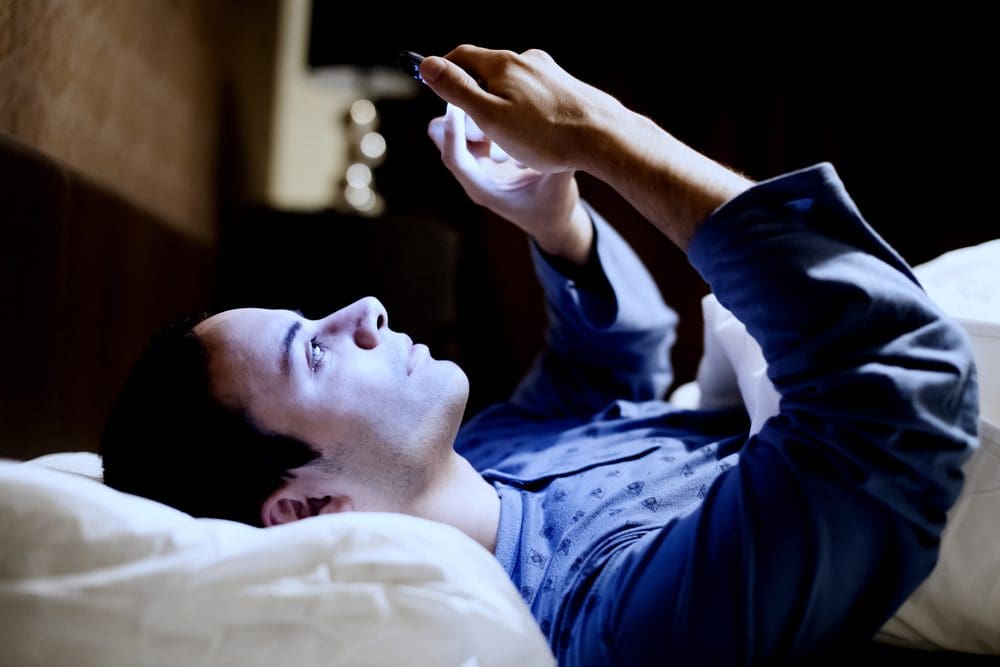
Screens are now required. Nowadays, practically everything requires us to stare at a screen for extended periods of time, including work, education, pleasure, and more. Even if it’s impossible to avoid the digital world, a lot of individuals secretly ponder the same question: How much screen time is too much for the eyes?
The reassuring truth is that screens don’t permanently damage eyesight. According to Consultant Ophthalmologist at Eye Care Center, “Excessive, uninterrupted screen use can cause digital eye strain, a condition that makes eyes feel tired, dry and unfocused. Understanding where the real risk lies and how to manage it can go a long way in keeping your eyes comfortable and healthy.”
What really happens to your eyes when you stare at a screen
Your eyes are working nonstop to stay focused when you gaze at a digital screen. This effort eventually results in symptoms that many individuals now consider “normal,” such as headaches, impaired vision, burning, or dryness.
Reduced blinking is one of the main causes of this pain. We blink 15–20 times per minute on average. That rate is nearly cut in half when utilizing displays. By the end of the day, eyes get dry and itchy because fewer blinks result in less natural lubrication.
So, how much screen time is too much?
No single figure is universally applicable. Age, type of screen, lighting, and personal eye health are all important. However, there are certain general, useful rules that eye experts do adhere to. According to Dr. Khushboo, adults typically spend eight to twelve hours a day in front of screens because of their jobs. Even while this might not be possible, using displays nonstop causes issues. When possible, experts advise limiting recreational screen usage outside of work to no more than two hours each day.
Because their eyes are still developing, children’s screen time is especially more important. Among the general suggestions are:
- Ages 2–5: up to one hour of screen time per day
- Ages 6–18: about two hours of leisure screen time daily
During online classes or homework, frequent breaks are essential.
Warning signs your eyes need a break
When screen habits need to be changed, your eyes are typically the first to alert you. Screen strain might be indicated by persistent headaches, persistent dryness or burning, difficulty concentrating, redness, or irregular sleep patterns. Irritability and restlessness are prominent warning signs in children. Over time, things frequently get worse if these signals are ignored and discomfort is tolerated.
How to use screens without stressing your eyes
While cutting back on screen time isn’t always feasible, making better use of screens has a discernible impact. One of the easiest habits to form is the 20-20-20 rule. Take a 20-second glance at something 20 feet away every 20 minutes. It provides a quick yet powerful reset for the ocular muscles.
Additionally, deliberate blinking is beneficial. A 5–10 minute break allows the body and eyes to unwind for every hour spent in front of a screen. Lubricating eye drops can provide comfort for those who are prone to dry eyes, particularly after long workdays.
Doctor concludes, “If eye strain continues even after adopting these habits or if you experience changes in vision consult an eye specialist. They can check for refractive errors, dry eye conditions, or recommend glasses designed for computer use.”
(Disclaimer: The article’s advice and recommendations are meant primarily as general information and should not be interpreted as expert medical advice. Before beginning any exercise program or making any dietary changes, always get advice from your doctor or a dietitian.)