






 Finance
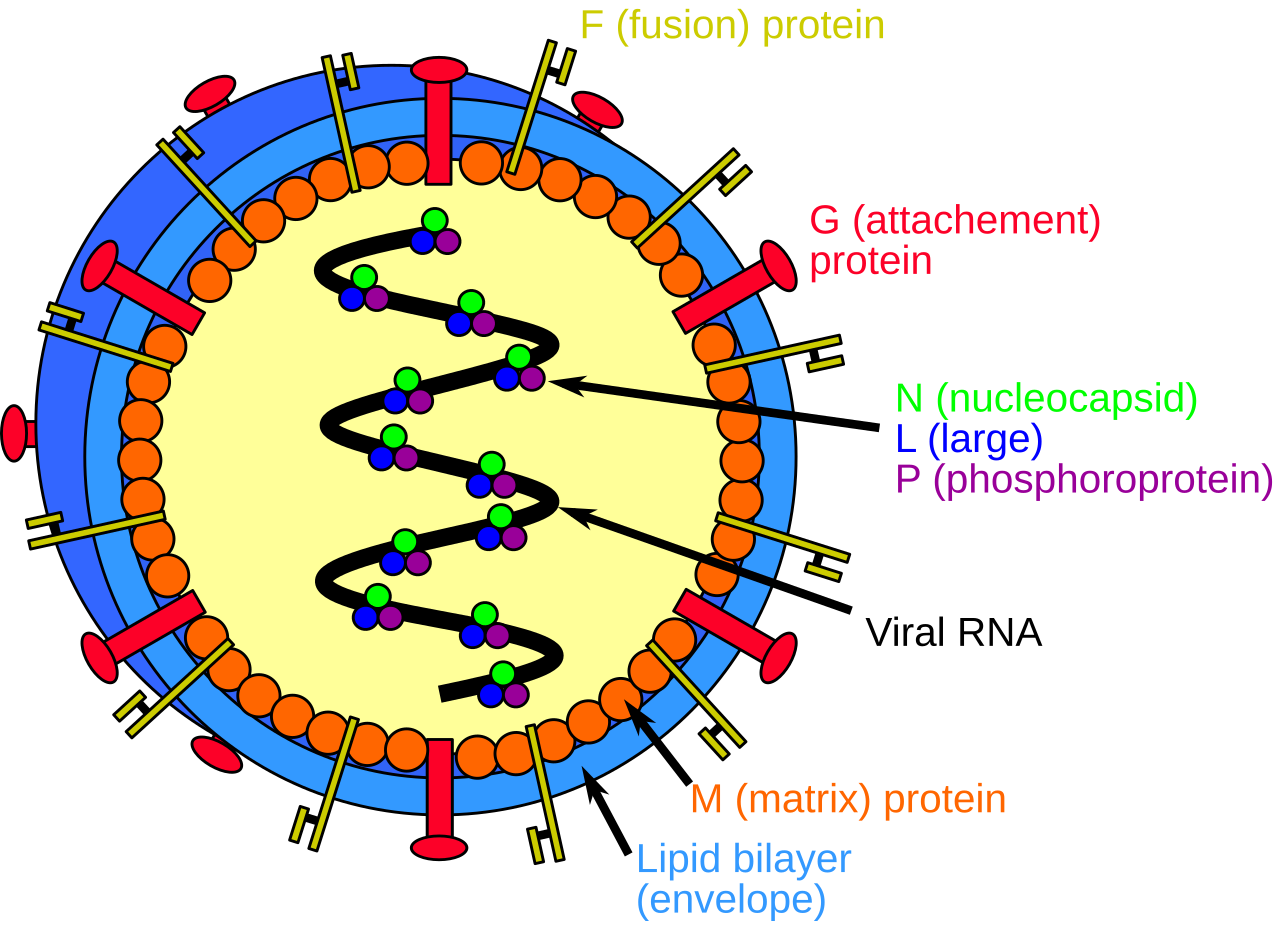
Nipah virus sickness is an extremely dangerous disease, yet it should not be overly feared. What actually matters is that there is increased awareness, early detection, and that individuals and communities practice safe and rational health measures.
Nipah virus sickness is a zoonotic disease, which implies that it spreads from animals to humans. The disease is primarily carried by fruit bats, but under some situations, it can also be transmitted from person to person through intimate contact. Currently, no specific antiviral medicine or vaccination is available.
Looking back on earlier outbreaks, food contamination could account for a considerable proportion of human illnesses. Partially consumed or bat-infested fruits, as well as raw date palm sap tainted with bat saliva or urine, are known risk factors. The positive part of this situation is that a large number of these hazards can be avoided. Peeling fruits, avoiding broken or fallen fruits, and consuming cooked or processed juices rather than raw date palm sap can all help keep you safe.
Prevention tips
According to Doctor, maintaining hand hygiene may appear to be an unnecessary precaution, but it is still the simplest and most efficient first line of defense.
For example, washing hands with soap under running water at the appropriate time can prevent a variety of illnesses without the need for elaborate or expensive procedures. Hands should be cleansed before eating, after going outside, and after handling animals. Hand sanitizers can be useful when you’re outside, but they shouldn’t be used instead of thorough handwashing.
Furthermore, it is usually preferable to be safe than sorry when dealing with animals or people who may transmit an infection.
Initial stage of Nipah
The early stage of Nipah infection may be similar to a common viral illness with symptoms like headache, fever, and cough; however, the advanced stages may show symptoms of brain malfunction and seizures.
In case there has been a possible exposure to infection and the symptoms mentioned earlier are also present, it is strongly advised that the infected person consult a doctor without any delay.
Moreover, it is worth mentioning that the person, to, person transmittion is speculated, among other things, between caregivers and family members or others who are in close contact with infected persons. Even here, basic safety measures can rescue lives.
Avoid any contact with the bodily fluids of such infected persons, do not share utensils or clothes, and generally, if you are going to look after a sick person, remember to protect yourself with a mask and gloves. It is not at all that these measures are excessive; they are reasonable, perfectly based on the knowledge we have now, and highly effective.
Finally, do not forget to keep yourself updated
Steps such as issuing health alerts, monitoring the situation, and enforcing quarantine all have the same purpose: to prevent the spread of infection. Your compliance with government authorities’ directions benefits not only you, but also everyone around you.
(Disclaimer: The article’s advice and recommendations are meant primarily as general information and should not be interpreted as expert medical advice. Before beginning any exercise program or making any dietary changes, always get advice from your doctor or a dietitian.)