







 Finance
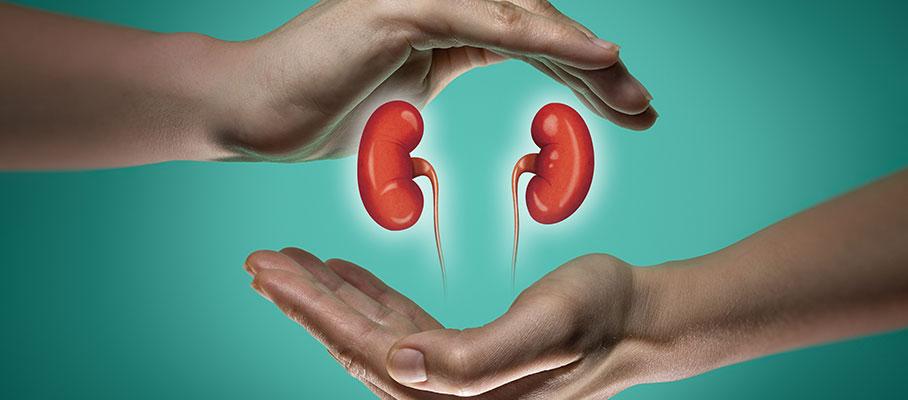
Water has long been regarded as a simple solution to all of our issues. Hydration has become connected with solving all of our concerns, from skin care to digestion. One widely held myth on social media is that drinking lots of water may ‘flush out’ kidney ailments.
However, nephrologists have rejected this widely held view. While they acknowledge that water is necessary for our kidneys, they claim that it cannot mend damaged kidneys or cure renal illnesses. Experts have discussed why hydration is vital and how this widely held idea evolved.
Why do people believe that water can ‘flush out’ kidney diseases
The kidneys perform a crucial role in removing waste and extra fluids from our bloodstream. This is accomplished through the process of filtration. These wastes and surplus fluids leave our systems in the form of urine. Because hydration is required throughout the filtering process, many people believe that drinking plenty of water can alleviate kidney ailments.
A Consultant Nephrologist and Transplant Physician explains that this belief is not medically correct. “While water is beneficial to overall health, it is not a treatment for renal disorders. Adequate hydration promotes kidney function and can help prevent dehydration and kidney stones, but it cannot cure kidney disease,” she explains.
The real causes of kidney disease
Kidney disease rarely progresses on its own. In most cases, it is caused by underlying medical disorders that gradually destroy the kidneys over time. Dr. identifies diabetes, high blood pressure, infections, autoimmune illnesses, and hereditary problems as among the most common causes.
“Once the kidneys are damaged, no amount of water can restore them. Drinking water cannot repair the damaged filters in the kidneys or reverse the cause of the injury,” dr. explains. This is why a combination of drugs, lifestyle modifications, and monitoring of blood pressure and blood sugars is necessary. In severe cases, dialysis and a kidney transplant may be necessary.
Is it possible for too much water to be harmful?
While it is important for people to drink enough water, experts warn that drinking too much of it can cause additional difficulties, particularly for people who have kidney disease. Consultant, Lead Nephrologist, and Transplant Medicine Specialist , says.
“Simply drinking more water cannot repair damaged kidneys or cure chronic kidney disease. In fact, for patients with advanced kidney disease or certain heart conditions, excessive fluid intake may lead to swelling, breathlessness, high blood pressure, or fluid buildup in the lungs,” she explains. Because the kidneys are responsible for removing excess fluids, impaired kidney function can make it difficult for the body to manage large amounts of water.
So, how much water should you drink?
There is no one-size-fits-all approach to hydration. Fluid requirements vary according to physical activity, weather, food, and overall health. Experts recommend that healthy adults drink approximately 2-3 litres of fluids each day, including water from food and beverages.
People suffering from kidney illness, on the other hand, may require individualized care. “The optimal fluid intake is determined by kidney function, heart health, medications, and overall medical condition.” Rather than following social media trends that suggest consuming 3-4 liters of water each day, it is advisable to visit a nephrologist for tailored counsel,” says Dr.
Water is vital for kidney health. However, it does not provide a cure for kidney illness. The most efficient strategy to keep your kidneys healthy is to screen for and manage disorders that cause renal disease, as well as to seek timely medical attention. While hydration is necessary, finding the right balance is considerably more important than simply drinking more water.
(Disclaimer: The article’s advice and recommendations are meant primarily as general information and should not be interpreted as expert medical advice. Before beginning any exercise program or making any dietary changes, always get advice from your doctor or a dietitian.)
Source: InTv