





 Finance
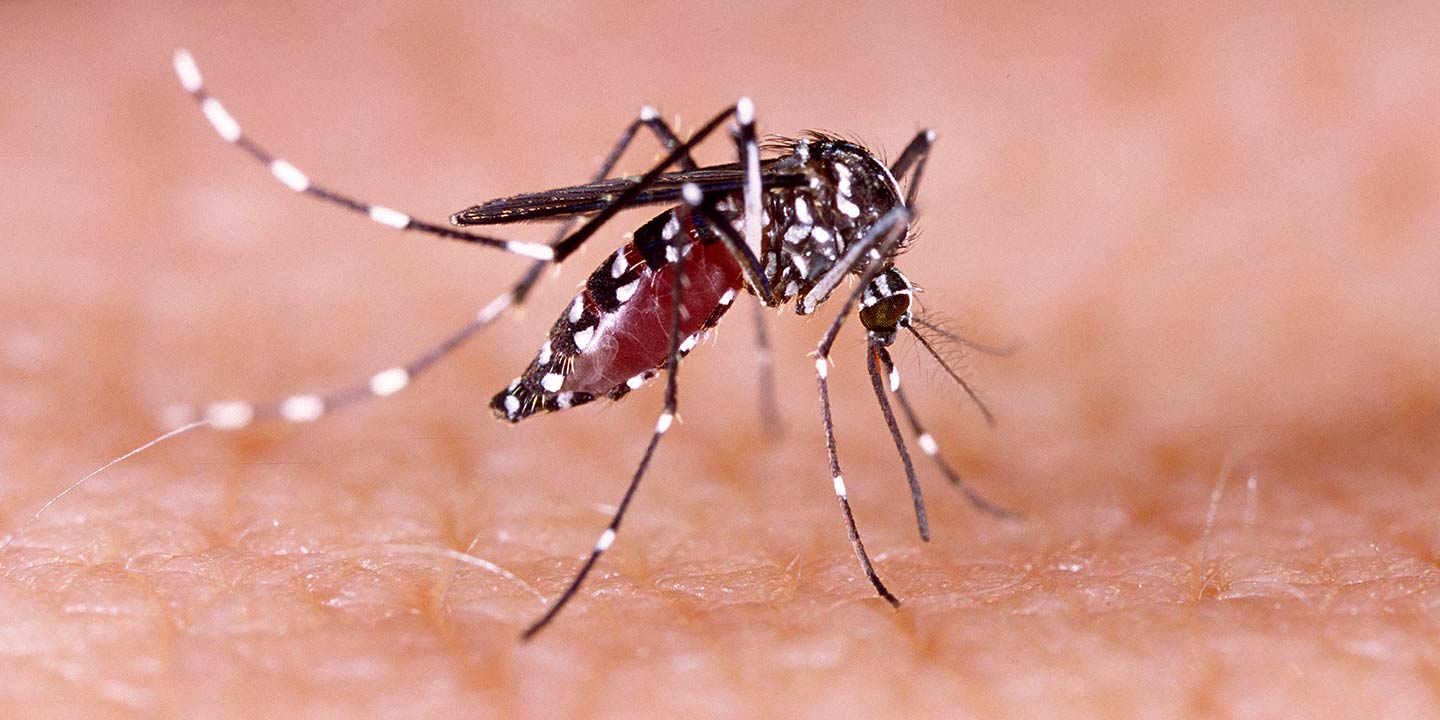
The World Health Organization (WHO) has issued its first-ever guidance on developing dengue treatments exclusively for children. Every year, millions of individuals are affected with dengue fever, a viral disease transmitted by mosquitos. With dengue infections quickly increasing around the world, children are at a higher risk of serious sickness and consequences. WHO’s new guidance aims to speed research and stimulate the development of medications tailored to children’s unique needs.
Dr Daniel Ngamije Madandi, Director of the Department of Malaria and Neglected Tropical Diseases at WHO, said, “Dengue is a growing threat to children, and silence is not an option. To prevent severe disease and save lives, children need access to safe, appropriate formulations and treatments designed for their needs.”
Dengue fever has become a significant public health concern. More over 14 million instances were reported worldwide in 2024, with over 10,000 connected deaths. Children are among the most susceptible demographics, particularly younger children, who are at a higher risk of serious illness. Despite the expanding burden, there are presently no licensed treatments to treat dengue. The World Health Organization’s most recent guidance tries to address this by establishing a clear roadmap for developing child-focused dengue treatments.
Why Is The New Guidance Important
The guidelines are based on WHO’s inaugural Paediatric Drug Optimization Process (PADO) for dengue. This process aids in the identification of the most promising therapy choices for children and emphasizes the research required to deliver these therapies to patients more quickly. The recommendations were developed following a WHO-convened meeting in October 2025, during which experts examined available research and discussed future goals.
“Children must be considered from the beginning of dengue therapeutics development, not after products have already been designed for adults,” said Dr Meg Doherty, Director, Science for Health at WHO. “This report provides a practical signal to researchers, developers, regulators and funders on what is needed to ensure that future dengue treatments are appropriate, acceptable and usable for children.”
WHO says that children often need different medicine formulations, doses, and treatment approaches than adults. However, many dengue research programmes usually focus on the general population rather than children specifically. The new guidance aims to address this gap by ensuring that future therapies are safe, effective, and suitable for younger age groups.
Key Areas Of Focus
The WHO study establishes many priorities for researchers, pharmaceutical companies, and funding organizations. One significant goal is to find and develop antiviral medications that can minimize the severity of dengue infection. The guidance also emphasizes the importance of child-friendly formulations, such as liquids or dispersible pills, which are simpler for children to swallow than traditional tablets or capsules.
Another significant objective is to increase investment in dengue research. WHO has emphasized the need for more collaboration across governments, health organizations, researchers, and industry partners to accelerate the discovery of innovative therapies.
Rising Threat Of Dengue
There is presently no specific antiviral treatment for dengue. Early diagnosis and good medical care are still the most effective approaches to lower the risk of major consequences. WHO believes that developing specific medicines for children could greatly improve treatment outcomes and save lives in places where dengue is prevalent.
The World Health Organization’s first paediatric dengue treatment guidelines are a significant step toward improving care for dengue-affected children. Promising therapies, more investment, and child-friendly drug development can all assist to speed up the development of viable dengue medicines.
“DNDi welcomes the PADO report as an important step towards aligning the dengue therapeutics community around children’s needs,” said Dr Luis Pizarro, Executive Director, Drugs for Neglected Diseases initiative (Dndi). “By identifying priority candidates, formulation considerations and research gaps, the report can help developers and funders focus efforts where they can have the greatest impact for children living in dengue-endemic settings.”
Disclaimer: This content, including advice, is intended to provide general information only. It is not a substitute for a professional medical opinion. For more information, always contact with a specialist or your own doctor.