





 Finance
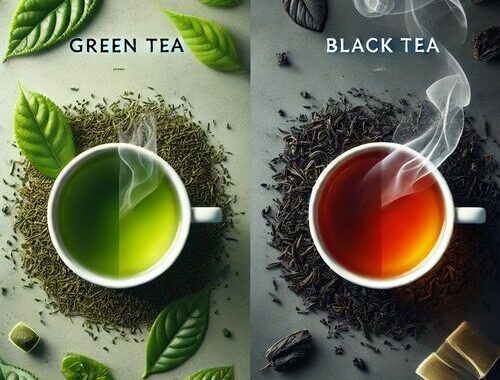
Tea is one of the world’s most popular beverages. In India, it is an unavoidable part of the morning and evening routine. Green tea and black tea are two of the most popular types of tea among consumers. Both come from the same plant, Camellia sinensis, but are processed differently, which affects their flavor, color, and health characteristics. The fundamental distinction is in processing. Green tea is unoxidized, so it retains pure catechins like EGCG, making it perfect for metabolic health and blood sugar control. While black tea is fully oxidized, the catechins are converted into unique theaflavins and thearubigins, which excel at protecting cardiovascular systems and promoting gut health.
Green tea vs black tea: Health benefits and downsides explained
-
Green tea
Green tea is frequently praised for its high content of antioxidants, particularly catechins. These chemicals are well known for their ability to combat oxidative stress, reduce inflammation, and lessen the risk of chronic diseases. According to research, green tea may boost brain function, aid in fat loss, and lessen the risk of heart disease. Green tea contains L-theanine, an amino acid that promotes relaxation while improving focus and attentiveness.
EGCG also increases fat oxidation and inhibits starch-breaking enzymes, dropping post-meal blood sugar spikes. Unoxidized catechins also neutralise free radicals, protecting the liver and reducing cellular ageing.
-
Black tea
Black tea, on the other hand, goes through a more extensive oxidation process, resulting in a deeper color and fuller flavor. It contains a distinct type of antioxidant called theaflavins and thearubigins, which are likewise good to health. According to studies, black tea may improve gastrointestinal health, lower cholesterol levels, and increase blood vessel function, all of which benefit heart health. Additionally, it has more caffeine than green tea, which can deliver a quick energy boost.
Downsides
While both green and black teas offer health benefits, there are some downsides to consider.
-
Green tea
Green tea is known to inhibit iron absorption, as high catechin levels can bind to non-heme iron (plant-based iron) in your digestive tract. It may also cause stomach upset in those who are sensitive to tannins or caffeine.
-
Black tea
While black tea can be energising, excessive consumption may lead to issues with anxiety and sleep disturbances, and acid reflux. Some studies suggest that heavy consumption of black tea may be linked to lower iron absorption as well, similar to green tea.
Which one is healthier?
Which tea is healthier is ultimately determined by an individual’s health goals and preferences. Choose green tea if you want to manage type 2 diabetes, increase your standard antioxidant consumption, or discover a relaxing afternoon beverage to help you focus.
Choose black tea if you need a robust alternative to coffee, want to boost your cardiovascular defenses, need to optimize your digestive tract, or simply want a strong flavor.
Finally, green tea and black tea each have their own set of advantages and disadvantages. When ingesting either type, moderation is essential, and personal health conditions and tastes should be taken into account when deciding between the two. Integrating both into a balanced diet may provide the greatest benefits, allowing you to enjoy the flavors and health benefits of both.
(Disclaimer: The article’s advice and recommendations are meant primarily as general information and should not be interpreted as expert medical advice. Before beginning any exercise program or making any dietary changes, always get advice from your doctor or a dietitian.)