





 Finance
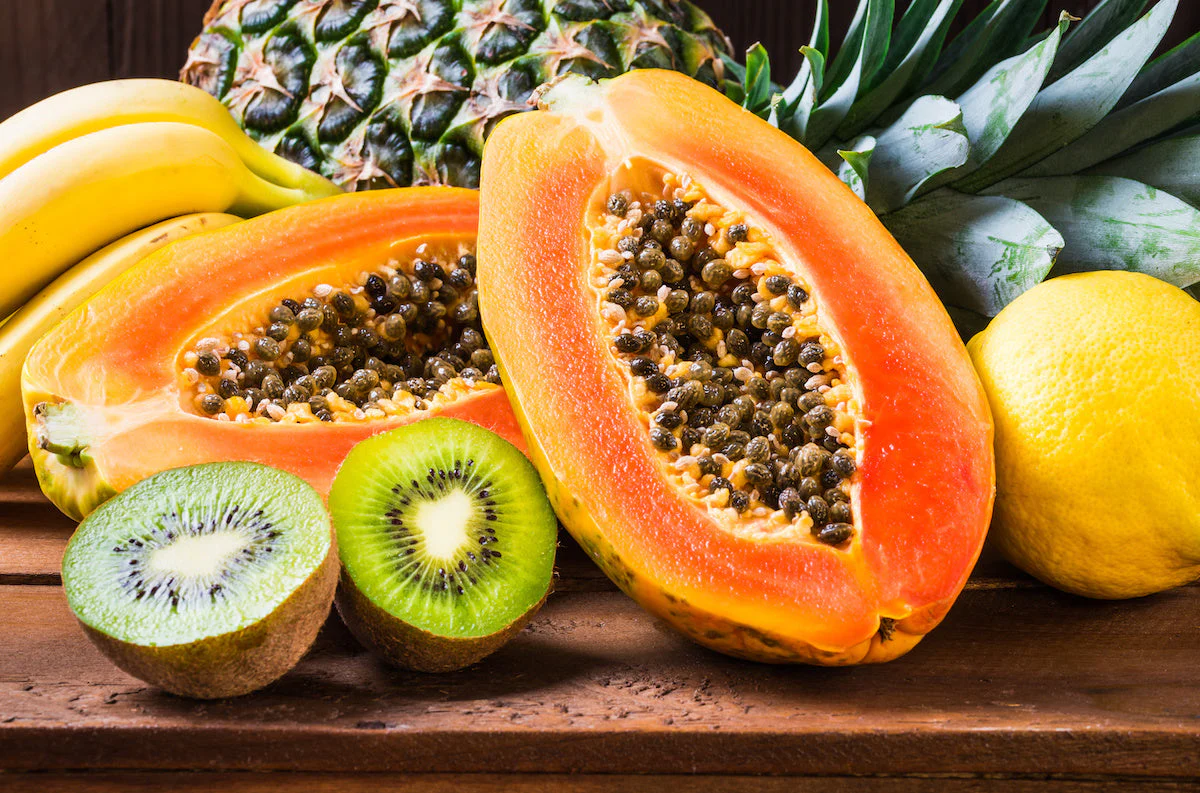
We’ve all had days when our digestion is sluggish and nothing seems to help. While periodic constipation is a common problem that can be caused by factors such as a low-fiber diet, dehydration, stress, or changes in habit, a few easy dietary changes can frequently bring relief.
According to gut specialist, certain fruits are high in fiber, water, and natural substances that promote good digestion and regular bowel movements. In an Instagram video, he advises five fruits that can naturally treat constipation and keep your gut healthy.
Fruits That Naturally Relieve Constipation
1. Kiwi
The doctor says, “Kiwi has fibre, vitamin C, and digestive enzymes that ease bloating and keep things moving.” This fruit softens stools and improves gut motility due to its high fibre content and a unique digestive enzyme called actinidin.
2. Pears
“Pears contain sorbitol, a sugar your gut cannot fully absorb, drawing water to the intestines and triggering a bowel movement,” he adds. A large portion of a pear’s fibre is found in its peel, so eat it unpeeled for maximum benefits.
3. Apples
Their skin is loaded with pectin, which is a soluble fibre proven to speed up stool transit time. For maximum relief, eat the apple raw and with the skin on, as the peel contains a high concentration of insoluble fibre that adds bulk to your stool.
4. Dragon Fruit
According to the doctor, dragon fruit is high in fibre and vitamin C, two nutrients your colon needs to function well. It contains oligosaccharides that act as prebiotics, nourishing the beneficial bacteria in your gut to promote healthy, regular bowel movements.
5. Papaya
“Papaya contains papain, which is a digestive enzyme that breaks down food efficiently and crushes the bloating that comes with constipation,” he explains. Eating about 100g to 200g of ripe papaya regularly can improve gut motility, soften stools and reduce bloating.
Mix and match these high-fiber fruits in your daily diet to relieve constipation. Make sure you drink plenty of water.
(Disclaimer: The article’s advice and recommendations are meant primarily as general information and should not be interpreted as expert medical advice. Before beginning any exercise program or making any dietary changes, always get advice from your doctor or a dietitian.)