







 Finance
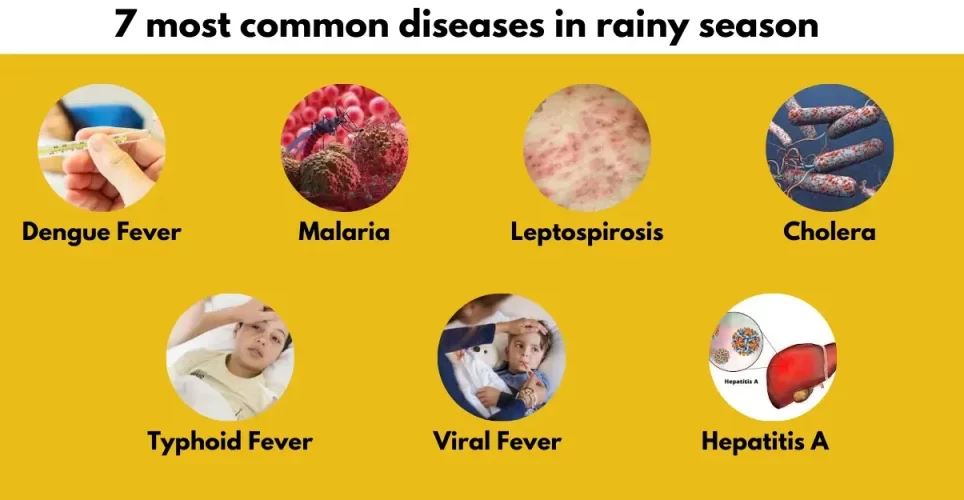
The coming of the monsoon may provide welcome reprieve from the summer heat, but it also signals the start of a season when various infectious diseases become more prevalent. Waterlogging, stagnant water, and high humidity provide ideal circumstances for mosquitos, germs, and viruses to proliferate.
According to the doctor, this is also the time when people should be extra cautious about their health. “As the monsoon sweeps across India, bringing relief from the scorching summer, it also creates ideal conditions for infectious diseases,” she said, highlighting seven illnesses that typically see an increase during the rainy season.
7 diseases that become more common during the monsoon
- Dengue fever: Spread by Aedes mosquitoes that breed in stagnant water, dengue commonly causes high fever, severe headache, muscle and joint pain, and skin rashes. In severe cases, it can progress to dengue haemorrhagic fever. Removing stagnant water and using mosquito nets and repellents are essential preventive measures.
- Malaria: Caused by Plasmodium parasites and transmitted by Anopheles mosquitoes, malaria is marked by recurring high fever with chills, fatigue and anaemia. Mosquito breeding often occurs in puddles and ponds, and using larva-eating fish such as gambusia and guppy can help control mosquito populations.
- Chikungunya: Another mosquito-borne viral disease spread by Aedes mosquitoes, chikungunya is known for intense joint pain, fever and swelling that can persist for weeks or even months. Preventing mosquito breeding remains one of the most effective ways to reduce the risk.
- Leptospirosis: This bacterial infection is caused by Leptospira and spreads through water or soil contaminated by animal urine, particularly after flooding. The bacteria can enter the body through small cuts or bruises. Symptoms include high fever, headache and muscle pain, while severe infections may lead to jaundice or organ failure. Maintaining good hygiene and wearing protective clothing while walking through flooded areas can help reduce risk.
- Typhoid fever: Typhoid is a bacterial infection caused by Salmonella Typhi and spreads through contaminated food and water. It typically causes prolonged high fever, abdominal pain, weakness and headaches. Eating freshly prepared food, drinking clean water and maintaining proper food hygiene are key precautions.
- Cholera: Caused by Vibrio cholerae, cholera spreads through contaminated water and can lead to severe watery diarrhoea, vomiting and rapid dehydration. Consuming safe drinking water and following good hygiene practices can significantly reduce the risk of infection.
- Hepatitis A: Hepatitis A is a viral liver infection transmitted through contaminated food or water. It can cause jaundice, fatigue, nausea and abdominal discomfort. The disease spreads more easily during the monsoon because of floodwater contamination, making food and water hygiene especially important.
How to stay protected during the monsoon
Prevention remains the best defence against seasonal infections, according to the specialist.
“Health experts urge eliminating mosquito breeding sites by draining stagnant water, using repellents and nets, drinking boiled or purified water, and maintaining food and body hygiene. Early medical consultations can help prevent future complications,” Doctor said.
She highlighted that modest precautions, combined with prompt medical intervention if symptoms appear, can significantly reduce the incidence of monsoon-related illnesses.