

 Finance
India expanded its diplomatic engagement during the UN General Assembly’s high-level week in New York, conducting individual discussions with Mexico, the World Food Programme, and the UN mission in Afghanistan.
The sessions addressed three distinct areas. They encompassed joint efforts in technology and healthcare, increasing pressures on international humanitarian efforts and the requirements of the Afghan populace.
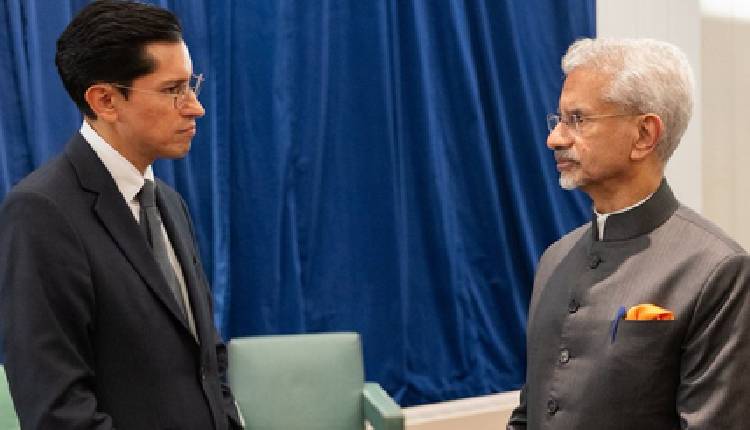
External Affairs Minister S. Jaishankar met with Mexican Foreign Minister Roberto Velasco Álvarez during the sidelines of the 81st General Assembly session.
EAM Jaishankar revealed the meeting in a short social media update following the discussions.
The Mexican side said the two ministers discussed ways to deepen cooperation, including in technology and health. Those fields are already important parts of a relationship that also spans trade, pharmaceuticals, automobiles, science and work in multilateral forums.
In a separate engagement, Secretary (West) Sibi George met Carl Skau, acting executive director of the World Food Programme, on the sidelines of the session.
“They discussed the evolving global landscape and challenges to global humanitarian efforts,” the Ministry of External Affairs said.
It focused on the broader challenges facing humanitarian efforts as organizations react to crises in multiple areas.
The conversation was pertinent to India’s enduring relationship with the WFP. Their efforts have shifted from direct food aid to technical collaboration, encompassing enhanced food distribution networks, nutrition initiatives, and the exchange of Indian expertise.
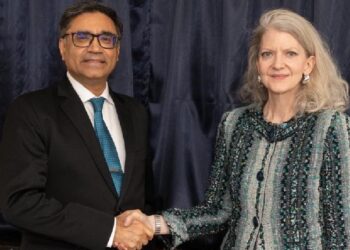
Afghanistan represented the third element of India’s outreach at the UN. Foreign Secretary Vikram Misri met with Rabab Fatima, the special representative for Afghanistan from the UN secretary-general and leader of the UN Assistance Mission in Afghanistan, known as UNAMA.
“Underlined that addressing the humanitarian needs of the people of Afghanistan must remain a focus,” the Ministry of External Affairs said. The ministry added: “Appreciated the role of UNAMA and extended India’s continued cooperation.”
The report maintained attention on the Afghan people and the UN’s operational mission. It did not mention official diplomatic acknowledgment of the Taliban leadership nor declare a shift in India’s stance.
These interactions demonstrated India operating via both bilateral and UN channels during the same event. Mexico introduced a dimension of partnership and trade. The WFP meeting addressed challenges to humanitarian efforts. The UNAMA discussions considered Afghanistan’s humanitarian circumstances.
Source: IANS