




 Finance

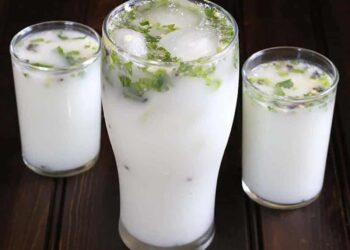
Yogurt / Curd has been consumed in Indian households for generations due to its high probiotic content and healthful fats. However, according to Ayurveda, certain foods should be ingested with caution during the changing seasons. Yogurt should be avoided or ingested in minimal amounts, particularly during the rainy season.
Why should curd be avoided in the monsoon?
Ayurveda states that drinking curd during the monsoon season might affect all three doshas of the body: Vata, Pitta, and Kapha. It can deplete the body’s resources and contribute to a variety of seasonal illnesses. Here are a few additional reasons why you should avoid curd during the monsoon:
These problems can occur due to consumption of curd
- Digestive problems: Curd has a cold effect, and according to Ayurveda, cold substances weaken digestion. This can cause problems like bloating, gas and indigestion. This is why it is always advisable to add a pinch of black pepper, roasted cumin or honey to curd, because eating it without adding anything can slow down the digestion process.
- Weakened immune system: Ayurveda states that consuming cold dairy products like curd during monsoon can weaken the body’s immune system. Excessive consumption of cold foods increases mucus in the body, which can lead to poor stomach health, and the body can fall prey to seasonal diseases and allergies.
- Respiratory problems: Regular consumption of curd during the rainy season can increase mucus formation in the body, which can lead to respiratory problems like colds, coughs and congestion. The moisture and humidity in the season also increase the risk of diseases and allergies.
What is the right way to eat curd?
If you want to consume curd during the monsoon, make sure you do it correctly. It is recommended to season it with a pinch of roasted cumin powder, black pepper, black salt, or honey. This balances the cooling effect of curd while also helping digestion and gut health.
Disclaimer: The tips and suggestions in this post are for general information only and should not be considered professional medical advice. Always with your doctor or a dietician before beginning a fitness program or making dietary adjustments.