






 Finance
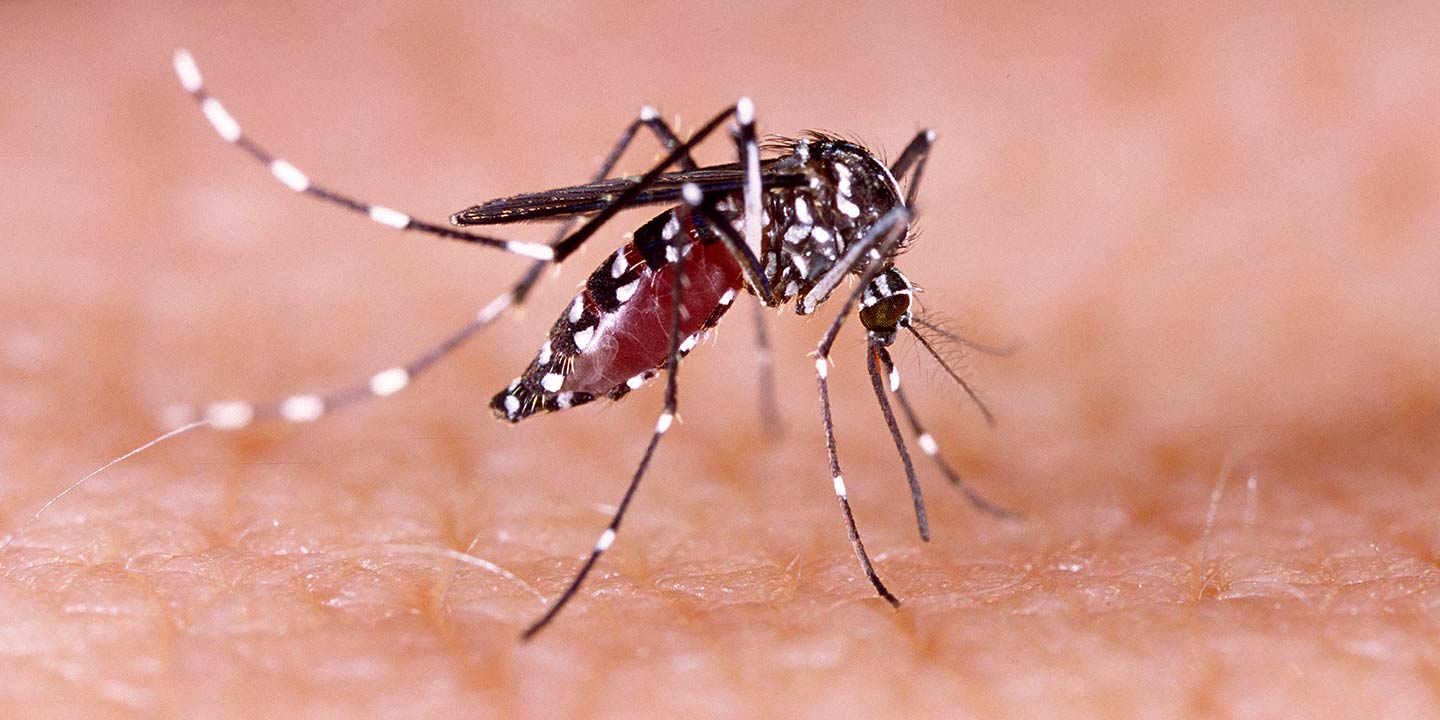
This year’s monsoon season is expected to bring an increase in dengue cases across the country.
It is a mosquito-borne infection that can quickly become dangerous, particularly in children whose immune systems are still developing. While the disease frequently begins with flu-like symptoms, early warning signs can be overlooked or misdiagnosed for something less serious. This makes it critical for parents to understand what to look for in the initial few days of infection.
Children may not always be able to express their emotions, causing delayed diagnosis and therapy. Subtle signs like as persistent fever, odd weariness, or rapid appetite changes may be dismissed as typical viral problems.
Dr. Sarita Sharma, a prominent expert in paediatrics, discusses the unique warning signs of dengue that can help parents act swiftly and seek medical assistance before the situation worsens.
The earliest symptoms of dengue in children that parents should pay close attention to
Doctor tells, “The earliest symptoms of dengue in children often appear suddenly and may seem similar to other viral illnesses. Parents should look out for a sudden high fever, severe headache, pain behind the eyes, muscle or joint pain, nausea, vomiting, and skin rash. In children, irritability, unusual tiredness, or continuous crying may also be signs. These symptoms typically develop within 4 to 10 days after being bitten by an infected mosquito.”
How can parents differentiate between common viral infections and dengue in the initial stages?
It can be challenging to differentiate dengue from other viral infections early on, but there are some clues. Dengue fever usually starts with a very high temperature that comes on quickly, unlike the gradual fever seen in many viral infections.
“Body aches, joint pain, and pain behind the eyes are more characteristic of dengue. A rash appearing after a few days of fever, along with persistent vomiting, further raises suspicion. In contrast, common viral infections in children often come with cold symptoms such as cough, sore throat, or runny nose, which are less typical in dengue,” said Dr Sharma.
Immediate steps parents should take if they suspect their child might have dengue
If dengue is suspected, parents should seek medical attention promptly rather than trying home remedies.
Doctor stresses, “Only give medicines prescribed by a doctor; avoid aspirin and ibuprofen, as these can increase the risk of bleeding. Paracetamol can be used safely for fever, if advised. Keeping the child well hydrated is extremely important — encourage water, oral rehydration solutions, coconut water, or clear soups.”
“Parents should also monitor for warning signs such as severe abdominal pain, continuous vomiting, bleeding gums or nose, blood in stools, or unusual drowsiness. If any of these occur, the child must be taken to the hospital immediately,” adds Dr Sharma.
(DISCLAIMER: The article is based on publicly available information and/or interviews with professionals. Before beginning any routine, always consult with your health practitioner.)
Source: IE