





 Finance
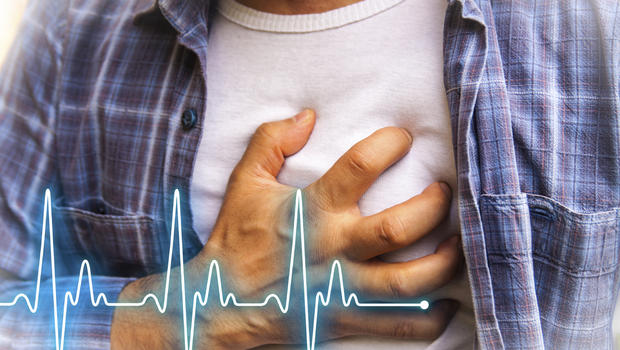
Many people believe that a heart attack is a heart blockage. The expressions have come to be strongly associated with fear and even the prospect of death. However, they are two quite different conditions, and, more significantly, a heart attack does not always cause death.
What is a Heart Blockage?
According to Dr Rohit Sane, CEO & Managing Director, Madhavbaug Hospitals, a heart blockage is the narrowing of coronary arteries because of the accumulation of fat substances over time. They are the ones that supply blood to the heart muscles. When this narrowing is severe, the oxygen-rich blood that flows to the heart is also limited, especially when one is physically active.
The majority of people become aware of blockages while having tests like as angiography, particularly if their ECG or stress test yields aberrant results. Such reports may reveal 80%, 90%, or 99% blockages.
People become terrified as soon as they hear this. They frequently assume they are in urgent danger of death. However, this is not true. Blockages may not indicate that a heart attack will occur.
What is a Heart Attack?
A heart attack is caused by a sudden stoppage of blood flow to a portion of the heart muscle. This results from the creation of a blood clot in a coronary artery. This sudden blockage can cause damage to the heart muscle and, if not addressed promptly, can lead to consequences such as cardiac arrest.
Heart Attack is not always fatal
One of the biggest myths is that a heart attack results in death. The truth is very different:
- 15% of heart attack patients may experience cardiac arrest and die.
- 60% are hospitalised, treated, and survive
- Another 25% may have minor symptoms or none at all and still recover.
- So in total, 85% of people survive a heart attack.
Conclusion
Instead of living in constant fear after discovering heart blockages, we must focus on building inner strength—what experts call “flow reserve.” This translates into making your heart do better at managing to continue with blood flowing even under pressure. You can do this if you maintain regular physical exercises, watch a heart-healthy diet, delegate stress, and remain active.
Such measures reduce the likelihood of blood clot formation while also increasing your chances of survival. You, like 85% of the population, can live with confidence rather than dread.
Disclaimer: (The tips and suggestions in this post are intended for general information only and should not be considered professional medical advice. Always with your doctor or a dietician before beginning any exercise program or making any dietary adjustments.)