







 Finance
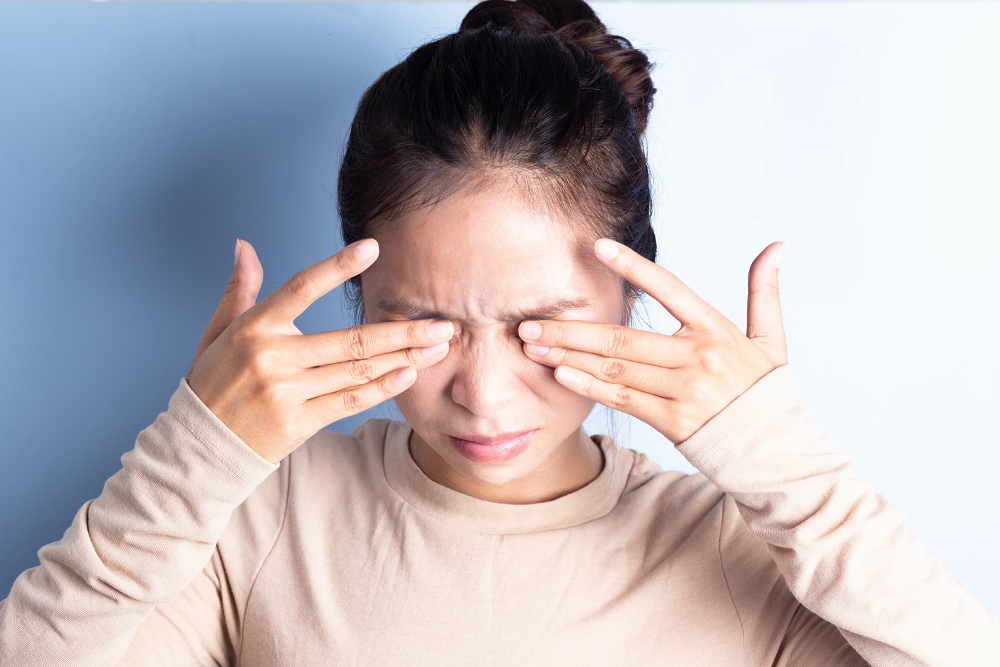
Allergies, environmental contaminants, infections, and certain eye diseases can all cause itchy eyes. Treatments and home cures are determined by the underlying reason.
When your eyes get itchy and red, you’ll try anything to alleviate the discomfort. However, understanding the source of your itchy eyes can help you choose the proper remedy and obtain some relief.
Understanding the differences between allergy and infection symptoms, for example, is critical to avoiding exacerbating your disease.
The following are eight causes of itchy eyes and treatment options, which include both home remedies and prescription drugs.
1. Seasonal allergies
If you get itchy eyes around the same time every year, you may have a seasonal allergy to ragweed or another plant that blooms and emits pollen at specific times of year.
Other allergic reactions, such as sneezing and nasal congestion, can help you determine if you have an allergy or an eye infection.
Histamine, a substance produced by cells in response to allergens, causes allergic symptoms. Histamine triggers an inflammatory response, and itchy eyes are among the most prevalent symptoms of histamine at work. One strategy to alleviate symptoms is to avoid contact with seasonal allergens. Strategies include:
- Pay attention to local weather reports and stay indoors when pollen counts are high.
- Keep home and car windows closed during pollen season.
- Take showers and wash clothes more frequently to help keep pollen away from your airways.
- Wear a pollen mask when you have to be outside.
Over-the-counter antihistamine medications can be helpful in controlling symptoms.
If your symptoms are especially serious every year, you may benefit from a prescription allergy medication. Because these medications can take some time to be effective, your doctor may recommend that you start taking them a few weeks prior to the onset of your allergy season.
2. Perennial allergies
Perennial allergies, as opposed to seasonal allergies, can occur throughout the year. Mold, dust, and pet dander are some of the most prevalent causes of perennial eye allergies.
You may possibly be allergic to some of the products in your home. The contact lens solution you use may be unpleasant to your eyes. Alternatively, the soap or shampoo you use could be the problem.
If environmental allergens have been excluded as the source of your irritated eyes, try avoiding a substance that comes into touch with your eyes. It may be a process of elimination that leads to a solution, but it could be well worth the effort.
An allergist can perform a skin test for specific allergens to determine if you are allergic. Small amounts of allergens, such as ragweed or pet dander, are delivered just beneath the skin to test if the skin around the injection site reacts. These tests are generally safe for both children and adults.
In addition to avoiding allergens, you can take antihistamines or corticosteroids to assist reduce inflammation.
3. Airborne irritants
Some people are particularly sensitive to smoke, diesel exhaust, or even certain perfumes. Avoiding exposure to these irritants is the simplest solution. Soothing eye drops or a cool, damp cloth over your closed eyes may help you feel better fast.
4. Infection
Your eyes are vulnerable to viral, bacterial, and fungal infections — all of which can bring on itchy eyes.
One of the more common eye infections is conjunctivitis, also known as pink eye because the white part of the infected eye turns pink. It’s very contagious and often accompanied by drainage from the affected eye.
Another possible eye infection is called uveitis, an inflammation of the iris — the part of your eye with color. Uveitis can cause eye pain and an extreme sensitivity to light.
Both types of infections should be evaluated and treated by a doctor. Antibiotics may be used to treat conjunctivitis. Steroids also may be necessary. Anti-inflammatory eye drops may be enough to treat uveitis.
In more severe cases, immune-suppressant drugs may be needed. Uveitis, if not treated effectively, can lead to severe vision loss and complications such as glaucoma and cataracts.
5. Dry eye
Tears, which are a combination of water, oil, and mucus, keep your eyes moist and refreshed. For various reasons, your eyes may stop producing enough tears to keep your eyes from getting dry and itchy. One common cause is simply getting older. As you age, tear production tends to wane.
Likewise, conditions such as diabetes and rheumatoid arthritis can also lead to fewer tears. Certain medications list dry eyes as a possible side effect. Those include:
- antidepressants
- medications that lower blood pressure
- birth control pills
- decongestants
Your eyes can also dry out because tears are evaporating too quickly. If you’ve ever been outside in the wind for a long time or in an environment with very low humidity, you may have noticed your eyes getting dryer and itchier. Sometimes, a blocked tear duct or tear gland leads to dry and itchy eyes.
Treating dry eyes may be as simple as using over-the-counter artificial tears, which are available as drops. Follow the instructions carefully. If you experience chronic dry eyes, see an eye doctor. You may need medicated drops.
6. Eyestrain
Staring at a computer screen for a long time, or trying to read in a poorly lit area, can strain your eyes, causing them to feel itchy and tired. Driving for a long time, especially at night or on a bright, sunny day, can strain your eyes, too.
Eyestrain can also develop if you’re forcing yourself to keep your eyes open and remain awake when you’re tired. For some people, indoor heat or air conditioning can lead to strained, itchy, and irritated eyes.
The best treatment is to simply rest your eyes periodically. If driving is putting a strain on your eyes, pull over and close your eyes. Take a nap or switch drivers, so your eyes can focus on closer objects than a long stretch of highway or oncoming headlights.
7. Contact lens use
Keeping your contacts lenses in too long or failing to replace your lenses regularly can irritate your eyes, making them itchy and red.
If you wear contact lenses, remember to take them out at night and follow other basic lens care steps.
Follow your doctor’s advice about how to care for your lenses and how often you should replace them.
8. Blepharitis
Red and itchy eyes may result from an inflammation of the eyelids known as blepharitis. It occurs when the little oil glands at the base of your eyelashes become blocked. Sometimes just keeping your eyelids clean is enough to resolve blepharitis symptoms, which may also include watery eyes and swelling.
Blepharitis won’t usually cause vision loss, but it can be a chronic problem that leads to conjunctivitis and other complications. Antibiotics and anti-inflammatory medications may be necessary to provide relief and avoid further problems.
Itchy eyes can be caused by a variety of factors, some more severe than others. If you experience regular red, itchy eyes, speak with your doctor about treatment options.