





 Finance
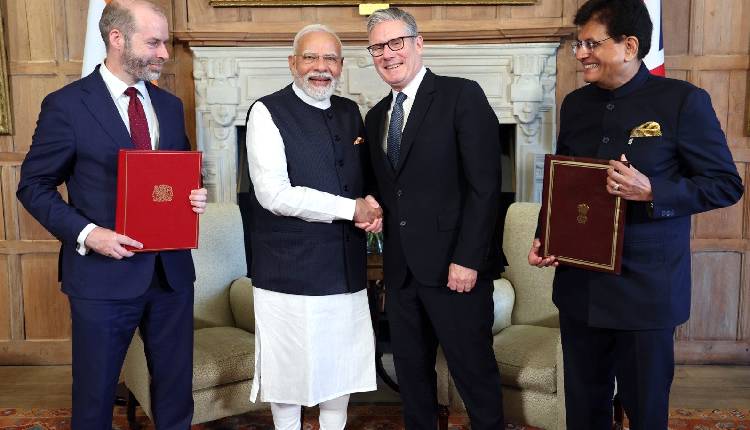
The India-UK Comprehensive Economic and Trade Agreement (CETA) will go into effect on Wednesday, allowing for cheaper British goods in India while giving Indian exporters near-total duty-free access to the UK market.
Tariffs on a wide range of British products, including Scotch whiskey, gin, chocolates, biscuits, and cosmetics, will be reduced starting July 15. However, duty reductions for a number of commodities will be phased in over the next few years.
Meanwhile, Indian exporters will have zero-duty access to about 99 percent of tariff lines, accounting for nearly the all of the country’s export value to the UK.
Textiles, leather, footwear, marine products, gems and jewellery, sporting goods, and toys are projected to benefit the most.
Similarly, engineering items, automotive components, and organic chemicals are expected to benefit from increased market access.
The Central Board of Indirect Taxes and Customs (CBIC) released the guidelines, which establish the framework for determining whether commodities qualify for preferential tariff treatment under the accord and outline compliance criteria for both exporters and importers.
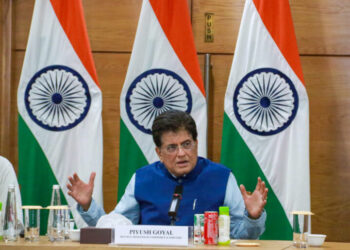
Union Commerce and Industry Minister Piyush Goyal previously stated that the CETA would strengthen collaboration between the two countries in trade, investment, and innovation while generating new opportunities for firms and professionals.
He asked Indian enterprises to strengthen their contact with their UK counterparts and turn the agreement into long-term business progress.
Earlier in June, the minister added that the historic deal will enable Indian farmers, fishers, craftspeople, and small businesses thrive abroad and expedite job creation, while also allowing the average person to acquire high-quality items at reasonable costs.
He stated that opening the premium UK market presents appealing worldwide prospects for women entrepreneurs, youth, startups, and MSMEs, while benefiting the impoverished without jeopardizing India’s basic interests.
The CETA, which was signed on July 24, 2025, following 14 rounds of negotiations, includes 30 chapters on products, services, digital trade, financial services, intellectual property, innovation, sustainability, and government procurement.
Furthermore, India will lower or abolish tariffs on 90% of tariff lines, with 85% being duty-free within the next decade.
Tariffs on British Scotch whisky will be slashed from 150 percent to 75 percent initially before falling to 40 percent over the next ten years, while taxes on British autos will be gradually decreased under a quota-based system.
The agreement also gives assistance to qualifying Indian professionals working temporarily in the UK through the Double Contributions Convention, which allows them to avoid paying social security contributions in both countries for a set amount of time.
Source: IANS