





 Finance
What Happens to Your Body During a Panic Attack?
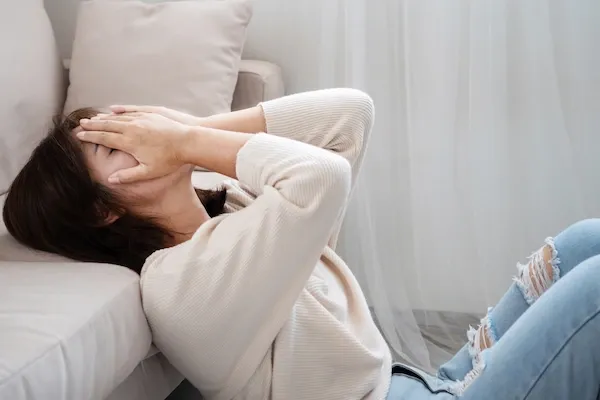
When you’re experiencing a panic attack, the sensations can be overwhelming. However, these reactions are a normal element of your body’s survival mechanism. You are not broken; you are simply reacting to a perceived threat, even if there is no actual risk.
The Science of Panic
The amygdala is a small brain region that causes fear. When it detects danger, whether real or not, it floods your body with adrenaline. Your heart beats, your breathing quickens, and your muscles tighten. It is your body ready to fight or flee, even if there is no actual threat.
Common Physical Sensations That Make It Feel Worse
Your chest feels tight. Your hands may shake. You may experience dizziness or disconnection from reality. These sensations are incredibly unpleasant — and this discomfort exacerbates the anxiousness. If you’ve ever witnessed anxiety episodes in children or adults, you’ll understand how the body can panic based only on these physical symptoms.
Understanding These Symptoms Helps Regain Control
Here’s the good news: knowing what’s going on within you makes it less scary. You can begin to recognize the symptoms for what they are: evidence of your body’s protective response rather than a perilous situation. Knowledge is both empowering and soothing.
The 10-Second Rule: Telling Yourself “This Will Pass”
This simple trick can make a big difference: Remind yourself that panic is unpleasant, but not dangerous. Repeating the phrase “This will pass” will help you to bring your thoughts down to earth when the fear sets in.
Why Panic Attacks Always End and Reminding Yourself of That
Panic attacks can only last for a certain amount of time. Your body essentially runs out of the chemicals that cause the panic attack, usually within 10 to 20 minutes. Knowing that there is a biological limit will help you endure the storm and remember the truth: “It always ends.”
A Mental Trick to Shift Focus from Fear to Facts
When you panic, your mind may scream, “I’m dying!” But facts are your friend. Replace this thought with “This is only temporary” This helps the brain to switch from panic mode to logic — and gives you back some control.
How to Ground Yourself in the Present Moment
Look around the room. Name five things you see. Feel your feet on the floor and the texture of your clothes. This simple grounding method helps you anchor your senses and can break the cycle of anxiety by bringing you back to the now.
The Power of Breath: How to Reset Your Nervous System
Breathing is more than just survival — it’s your body’s inbuilt emergency reset button. When panic strikes, your breath can help you regain control and calm your system quickly.
Box Breathing
This simple method is very effective due to its rhythm: inhale for 4 seconds, hold for 4 seconds, exhale for 4 seconds, hold again for 4 seconds. Box breathing mimics the natural rhythm of a calm body and helps to stabilise the mind and breath.
It is particularly helpful for children with anxiety, who benefit from structured, easy-to-follow techniques.
Pursed-Lip Breathing to Slow the Heart Rate
Do you feel like you can’t catch your breath? Lip breathing can help. By gently exhaling with your lips pinched together, like blowing out a candle, you slow down your breathing and lower your heart rate — ideal for relieving shortness of breath or hyperventilation in anxiety in children and adults.
Why Deep Breathing Works and How to Do It Right
When done correctly, deep breathing activates the parasympathetic nervous system, which is responsible for calmness and serenity. It also restores the oxygen balance, preventing feelings of dizziness and light-headedness.
For young children, teaching them to “breathe” with their stomach (observing how the stomach rises and falls) can have a calming and strengthening effect.
5-4-3-2-1 Grounding: A Quick Way to Stop Panic in Its Tracks
This method helps you to direct your attention away from the spiralling thoughts and back into your body — using your senses to regain control over anxiety.
How Engaging Your Senses Brings You Back to Reality
Your brain can’t focus on anxiety and your senses at the same time. When you actually look at something, touch a texture or listen to ambient sounds, you snap your mind out of the fear loop. This works wonders, especially when children’s anxiety and worry symptoms become too much for them to explain with words.
Step-by-Step Guide to Using This Method in Real-Time
Here’s how it works:
- 5 things you can see
- 4 things you can touch
- 3 things you can hear
- 2 things you can smell
- 1 thing you can taste
This quick process is easy to memorise and can be done anywhere — even in the middle of a busy classroom or during a meltdown moment.
Customising Grounding Techniques Based on Personal Triggers
Some people respond better to touch, others to smells or sounds. If your child has sensory preferences or known triggers, you should be aware of this. For example, a child who has a fear of crowds might carry a calming scented object for them to smell — small changes can make grounding safer and more effective when helping children with anxiety.
The Cold Sensation Hack: How Temperature Shocks Reset Your Mind
Cold can interrupt panic instantly. It’s a shock to the nervous system — one that tells the brain to switch over.
Using Cold Water on Your Face or Ice Cubes to Snap Out of Panic
Splashing cold water on your face or holding an ice cube in your hand can calm your heartbeat within seconds. This activates the so- called “diving reflex”,” which slows the body down and stops the panic spiral — particularly useful in moments of great distress, such as with children who are anxious at school or in a social setting.
Why Sudden Temperature Changes Affect the Nervous System
The cold shock stimulates the vague nerve — the body’s main calming channel. This interrupts the fear loop and gives the brain a moment to recover. This is an amazingly simple remedy for curing anxiety disorders in children and adults.
When and How to Use This Method Effectively
When everything else seems to be failing, try this trick. Taking an ice cube in your hand, spraying cold water on your face, or placing a cold object on the back of your neck can provide the external shock your system requires to regain calm.
Movement as an Instant Anxiety Disruptor
When anxiety takes over, even small movements can act as a mental escape. Physical activity gives your brain something else to focus on and helps your body relieve stress.
How Walking, Stretching, or Shaking Out Tension Reduces Panic
Whether it’s a slow walk across the room, a gentle stretch or shaking out your hands, movement helps to release pent-up adrenaline and physical tension. This is particularly helpful for children with anxiety as it provides a safe outlet for their nervous energy.
Simple Movements to Try When You Feel Panic Coming On
Keep it easy:
- March in place
- Swing your arms loosely
- Stretch your fingers wide, then release
These micro-movements can signal safety to the brain and give anxious children an immediate outlet.
Examples of Calming Affirmations That Work in the Moment
Try these:
- “This will pass”
- “I am safe right now”
- “These are just thoughts, not facts”
Saying these out loud or even in your head gives your mind a familiar lifeline during anxiety and worry symptoms in children and adults
When to Seek Professional Help for Recurring Panic Attacks
Panic should not take over your life. If your symptoms are frequent, intense or interfere with your daily activities, it’s time to seek help. There is no shame in seeking help — only strength.
Signs That You May Need Therapy or Medication
Some signs include:
- Frequent panic attacks
- Avoidance of certain places or situations
- Ongoing distress that affects your school, work, or relationships
These could point to a deeper issue, such as anxiety in young children or generalised anxiety disorder (GAD).