





 Finance
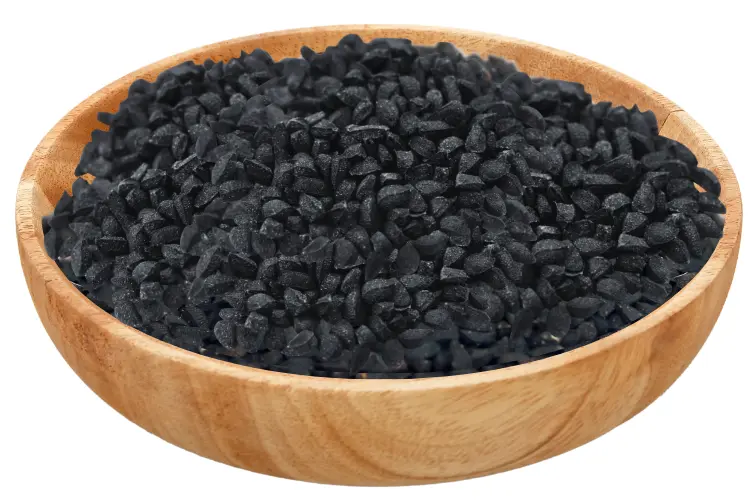
As lifestyle disorders like high blood pressure and cholesterol become increasingly prevalent in India, more individuals are turning to traditional therapies in addition to contemporary treatments. Kalonji, sometimes called black nigella seeds or Nigella sativa, is one such substance that is gaining popularity.
Every year, about two million people in India die as a result of cardiovascular disorders. As a result, doctors and researchers are investigating natural foods that may improve heart health.
According to a cardiologist with over 25 years of experience, kalonji may provide beneficial support when utilized correctly.
“Clinical trials, including our meta-analysis of over 1,000 patients, show kalonji supplementation reduces systolic BP by up to 10 mmHg and LDL cholesterol by 14–15 mg/dL,” he said. The seeds contain thymoquinone, a powerful antioxidant that helps relax blood vessels and reduce lipid oxidation.
WHAT IS KALONJI AND WHY IS IT CALLED BLACK NIGELLA SEEDS?
The Nigella sativa plant produces little black seeds known as kalonji. The plant is native to Southwest Asia, although it is commonly utilized in Indian cuisine and traditional medicine.
These seeds have a somewhat bitter, onion-like flavor and are widely used to season breads, pickles, and curries. Kalonji, also known as kala jeera or black cumin in Hindi, differs from normal cumin.
According to Doctor, the health value of kalonji comes from its natural compounds. “These pungent seeds contain bioactive elements like thymoquinone that contribute to their medicinal effects.”
HOW CAN KALONJI HELP LOWER BLOOD PRESSURE?
Research suggests kalonji may help manage blood pressure by relaxing blood vessels and reducing inflammation in the arteries.
Studies have shown that people taking around 500 mg of kalonji daily experienced reductions in both systolic and diastolic blood pressure. In some trials, the seed also helped lower heart rate and mean arterial pressure.
Doctor explains that its anti-inflammatory and antioxidant effects play a role in this process. The oil form of kalonji may act faster than powdered seeds in some cases.
These properties make kalonji a possible natural support for people managing hypertension, although it should not replace prescribed medication.
DOES KALONJI HELP REDUCE CHOLESTEROL?
According to certain studies, kalonji may help improve lipid levels. According to research, consistent use can reduce total cholesterol by around 15 mg/dL while lowering LDL cholesterol by about 14 mg/dL.
Some studies also show lower triglyceride levels and a modest increase in HDL, popularly known as “good cholesterol”.
Doctor observes that this lipid-modulating impact can help minimize plaque accumulation in arteries, thereby benefiting overall heart health.