



 Finance
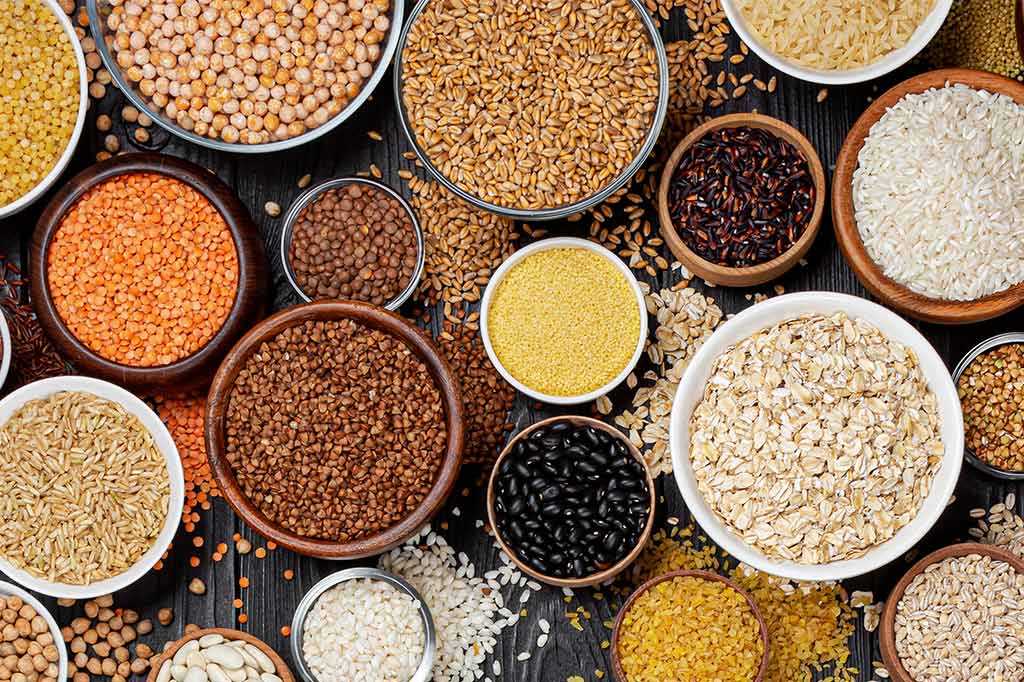
Millet is one of the world’s oldest cultivated grains, having been grown for thousands of years across Africa and Southeast Asia. Today, it is one of the most important cereals in the world, serving as a staple crop for both humans and animals.
Small round grains are significant because they are resilient and can be stored for years without insect damage.
Pearl, finger, proso, and sorghum kinds are available in the United States, and they are all high in vitamins and minerals.
Millet Grains
Millet grains vary in size and color, but they all belong to the grass family, which includes wheat, rice, and barley. Millet has two classifications: large (major) and tiny (minor).
Large millets:
- Pearl (Bajra) is the most common type of millet and is usually white, yellow, gray, or even purple. The grains are among the biggest at about 3-5 millimeters.
- Sorghum (Jowar) millet has several shades, including white, yellow, and red, and they’re usually about 4-6 millimeters.
- Finger (Ragi) is almost always brown, and they’re small, only 1-2 millimeters per grain.
- Foxtail (Kangani) grains are about 2-3 millimeters long, and they can range from red and black to white or yellow.
- Proso (chena) millet grains are about 3 millimeters long with lines running their lengths. They can be white, yellow, or brown.
Small millets: - Little millet (कुटकी Kutki)) grains are about 2-3 millimeters long, and they come in shades of gray and white.
- Barnyard millet (सामवा (Samwa))also comes in shades of gray and white, and they’re about 3 millimeters long.
- Kodo grains ( कोद्र (Kodra)) vary from blackish to dark brown, and the grains are about 3-4 millimeters long.
- Browntop grains (अंडुआ (Andua)) are tan to white and about 4-5 millimeters in length.
Millet Benefits
Millet is high in niacin, which is essential for healthy skin and organ function. It also contains beta-carotene, particularly in the dark-colored grains, which transforms to vitamin A, aids in the fight against free radicals, and strengthens your immune system. Millet offers other health benefits.
Controls blood sugar Millets are low-glycemic index (GI) foods and can help keep your blood sugar from spiking after you eat. They contain carbs we don’t digest that help control blood sugar, plus fiber, and non-starchy polysaccharides, so millets are a good whole grain, especially if you have type 2 diabetes.
Millets are rich in dietary fiber, both soluble and insoluble. The insoluble fiber is a prebiotic, which means it supports good bacteria in your gut. The fiber also adds bulk to poop, helping keep you regular and reducing your risk of colon cancer. Protects your heart
Millets are full of soluble fiber, which trap fat in your gut and can lower the cholesterol level in your blood. That can help reduce your chances of atherosclerosis, or heart disease. Millets are good sources of magnesium, too, which may prevent heart failure.
Promotes anti-aging How your body metabolizes sugars is a major factor in how you age. Millets are full of tannins, phytates, and phenols that help protect your cells against damage and potential diseases like high blood pressure, diabetes, and high cholesterol.
Builds healthy cells
Finger millet is an excellent source of B vitamins, which play a role in everything from brain function to healthy cell division. You need vitamin B9, also known as folate, to produce healthy red blood cells.
Millet Nutrition
Millet is rich in protein and calcium and has more essential amino acids than most other cereals.
It’s also an excellent source of:
- Vitamin A
- Vitamin B
- Phosphorus
- Potassium
- Antioxidants
- Niacin
- Iron
Nutrients per serving
A quarter-cup of dry millet contains:
- Calories: 189
- Protein: 5.5 grams
- Fat: 2 grams
- Carbohydrates: 36.5 grams
- Fiber: 4.25 grams
- Sugar: Less than 1 gram
- Sodium: 2.5 milligrams
Portion sizes
Millet, like other grains such as wheat or corn, is high in calories, therefore consume it in moderation. A single serving of cooked millet is approximately one cup. Millet grows when cooked, so pay care to how much you serve.