





 Finance
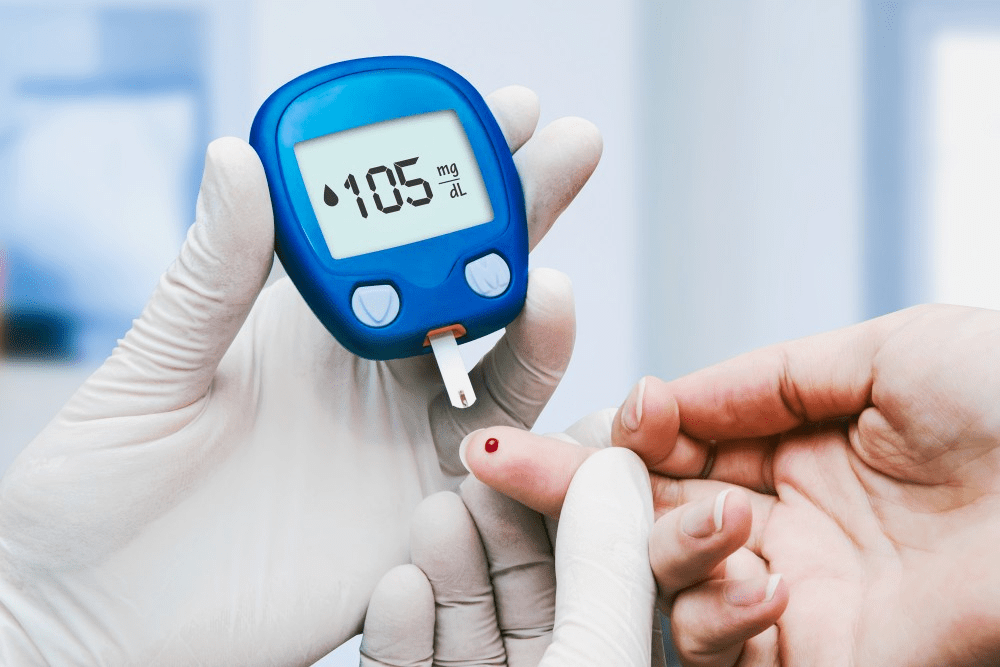
Despite providing relief from the harsh summer heat, the monsoons themselves pose distinct health risks, particularly for diabetics. During this time, the perfect conditions for infection are high humidity, a wet environment, and restricted mobility. High blood glucose levels in diabetics damage white blood cells, impairing tissue repair and the immune system. When hygiene becomes more difficult, even minor scrapes, insect bites, or friction wounds can get infected and take longer to heal.
Doctor said, “We observe a strong rise in certain infections in diabetics during monsoon at K J Somaiya Hospital. Fungal infections such as candidiasis, athlete’s foot, and ringworm are more frequent due to the warm, humid environment, especially when footwear is wet.” Diabetic neuropathy tends to cause numbness in the feet, which means minor injuries go unnoticed and untreated. Once established, infected wounds also heal slowly because of a weak immune system and inadequate blood flow.
The season also disrupts everyday routines including sleep, exercise, and diet, all of which affect blood sugar management. Furthermore, changing glucose inhibits collagen formation and reduces oxygen transport to tissues, slowing recovery.
Diabetic patients should be aware of the following warning signs: increased redness or swelling, redness and warmth where a cut was, pus drainage, a strong odor, increased discomfort, or general weakness. Fever indicates a spreading infection, such as cellulitis, and should be treated as an emergency. Not recognizing early warning signals might lead to serious consequences such as diabetic foot ulcers.
Diabetic patients must take extra precautions to protect their feet, including keeping them dry and clean, inspecting them frequently, and never going without footwear. Wearing dry socks and ventilated shoes inhibits fungal growth. Maintaining immunity also requires a balanced diet rich in vitamins C and D, zinc, and appropriate hydration. Above all, seek medical attention immediately if issues arise—prevention and rapid intervention are the buzzwords for diabetic wound care.
(Disclaimer: The tips and suggestions in this post are for general information only and should not be considered professional medical advice. Always with your doctor or a dietician before beginning a fitness program or making dietary adjustments.)