







 Finance
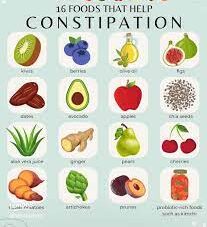
Constipation is unpleasant, irritating, and more prevalent than you would realize. According to a study published in Gastroenterology, roughly one of every seven people worldwide suffers from irregular bowel motions, bloating, and discomfort.
While lifestyle changes and hydration are important, your diet plays a significant role in keeping your digestive system healthy and functioning properly. Fortunately, doctors believe there are natural foods that can help cure constipation, so there’s no need to use laxatives all the time.
Constipation is more common than you think, yet relief may be just a meal away. Here are five natural foods that help assist digestion without using medicines.
1. Prunes
If there’s one food famously linked to constipation relief, it’s prunes. Prunes (dried plums) are rich in fibre and sorbitol, a natural sugar alcohol that draws water into the gut and helps soften stools. A 2011 study in Alimentary Pharmacology and Therapeutics found that prunes were more effective than psyllium (a common fibre supplement) in relieving mild to moderate constipation.
How to eat: A serving of 4–5 prunes a day can make a difference. Add them to your breakfast bowl or eat them as a snack.
2. Papaya
As soon as we feel constipated, the first thing that our elderly recommend is papaya. Papaya contains papain, a natural enzyme that helps break down proteins and ease digestion. It’s also high in water content and fibre, which helps in smoother bowel movements.
A small study in Neuro Endocrinology Letters 2013 showed that people who consumed papaya regularly experienced less bloating and better stool consistency.
How to eat: Eat a bowl of ripe papaya on an empty stomach in the morning for the best effect.
3. Oats
Oats are packed with soluble fibre, particularly a type called beta-glucan. This helps absorb water and form a gel-like substance in your gut, making stools softer and easier to pass.
Research published in The British Journal of Nutrition showed that increasing oat fibre intake can significantly improve bowel frequency and reduce constipation in adults.
How to eat: Start your day with oatmeal or overnight oats. Add fruit and flaxseeds for extra fibre power.
4. Flaxseeds
Flaxseeds may be small, but they’re packed with both soluble and insoluble fibre, making them highly effective for constipation.
A 2015 study in the Journal of Ethnopharmacology found that flaxseed consumption significantly improved stool frequency and consistency in people with chronic constipation.
How to eat: Mix 1–2 teaspoons of ground flaxseed into yoghurt, smoothies, or warm water. Don’t forget to drink enough fluids to help the fibre work.
5. Leafy greens
Spinach, kale, and other leafy greens are full of magnesium, which helps draw water into the intestines and keeps things moving. They’re also a rich source of insoluble fibre, which adds bulk to stools.
According to a 2017 review in Food and Function, magnesium-rich vegetables can be beneficial for people with infrequent bowel movements.
How to eat: Add spinach to your dal, soups, or smoothies. Eat sauteed greens with your meals regularly.
How to ease constipation naturally
If you suffer from constipation, incorporating these items into your daily routine, as well as getting adequate water and physical activity, will help to improve your gut health organically. However, if symptoms linger, it is best to see a doctor to determine whether there is a serious problem, such as Irritable Bowel Syndrome (IBS) or thyroid issues.
Source: FE