





 Finance
Diabetes is a condition characterized by persistently elevated blood sugar levels, which can occur for a number of reasons. Although it is mostly a lifestyle disease, many people also have type 1 diabetes, an autoimmune condition that causes elevated blood sugar levels.
This type of diabetes typically affects children, where the immune system of the body attacks and kills the pancreatic cells that produce insulin, leaving the body without the insulin cells require to use sugar. Your blood sugar levels rise as a result of your body storing sugar in your blood vessels. Early detection allows for management of the problem. Here are a few early indicators of type 1 diabetes in kids.
Early warning signs of type 1 diabetes in children
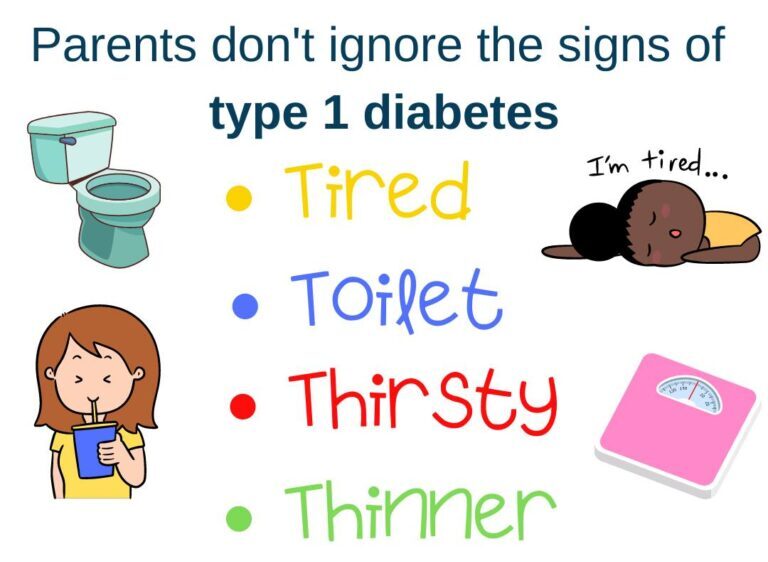
- Frequent urination (Polyuria): Children may start using the bathroom more often, especially waking up at night to urinate. This happens because excess glucose in the blood tends to draw water into the urine.
- Excessive thirst (Polydipsia): Constant urination makes kids feel extremely thirsty. They may drink more water, often, than usual.
- Increased hunger (Polyphagia): Despite eating more, children may still feel hungry because the body cannot properly use glucose for energy.
- Sudden weight loss: Even with normal or increased appetite, kids may lose weight as the body breaks down fat and muscle for energy.
- Fatigue and low energy: Children may seem unusually tired, weak or less active because their cells aren’t getting enough glucose.
- Blurred vision: High blood sugar can cause swelling in the eyes, leading to temporary vision problems.
- Irritability and mood changes: Unexplained mood swings, crankiness or difficulty concentrating may be an early symptom.
- Fruity-smelling breath: When the body burns fat for energy, it produces ketones, leading to a sweet and fruity breath odour.
- Slow healing of wounds: Minor cuts, bruises or infections may take longer to heal, which signals poor glucose control.
- Nausea and vomiting: If blood sugar gets very high, it can lead to diabetic ketoacidosis (DKA), which often happens along with stomach pain, nausea or vomiting.
(Disclaimer: The article’s advice and recommendations are meant primarily as general information and should not be interpreted as expert medical advice. Before beginning any exercise program or making any dietary changes, always get advice from your doctor or a dietitian.)