




 Finance
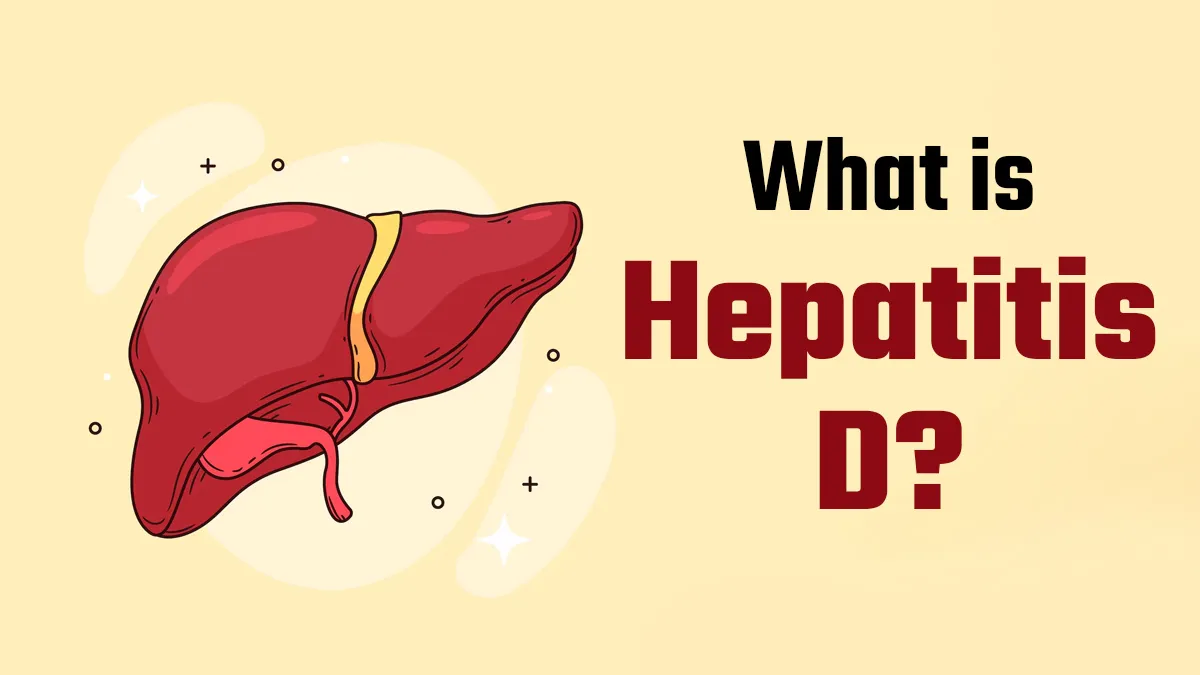
The World Health Organization has now classified hepatitis D as a cancer-causing infection. Hepatitis D is a carcinogen, according to the International Agency for Research on Cancer, the health agency’s cancer branch, since, like hepatitis B and C, the little-known virus can subtly increase the risk of liver cancer.
The viral infection known as hepatitis causes inflammation of the liver. The B, C, and D strains are the most harmful of the five major types—A, B, C, D, and E—because they can persist for years and gradually harm the liver.
WHO estimates that over 300 million people live with chronic hepatitis B, C, or D infections, and 1.3 million die each year from related diseases. Most don’t even know they’re infected until the damage is already done.
Different from the others is hepatitis D. The two viruses are much more dangerous when combined, but it only infects those who already have hepatitis B. The WHO states that compared to hepatitis B alone, having both increases the risk of liver cancer by two to six times.
Infected blood, hazardous injections, unprotected sex, and sometimes mother-to-child transmission during childbirth are the ways in which the virus is disseminated.
If symptoms do show up, they are typically mild and include things like exhaustion, nausea, stomach pain, dark urine, or skin discoloration. These symptoms are frequently disregarded or mistaken for other ailments.
There isn’t a separate vaccine for hepatitis D. Getting the hepatitis B vaccine, which guards against both viruses, is the only way to prevent it. According to the WHO, newborn immunizations are currently available in 147 countries, but testing and treatment for current cases are still far behind.
Drugs for the treatment of hepatitis D are continuously being developed. But only by taking immediate steps to expand and incorporate hepatitis services—such as testing, treatment, harm reduction, and vaccination—into national health systems will the full benefits of lowering liver cirrhosis and cancer fatalities be realized.
According to medical professionals, by 2030, increased access to therapy, early screening, and increased awareness could save millions of lives. The main recommendations for the time being are straightforward: get tested, get vaccinated, and pay attention to liver health.
Source: IT