




 Finance
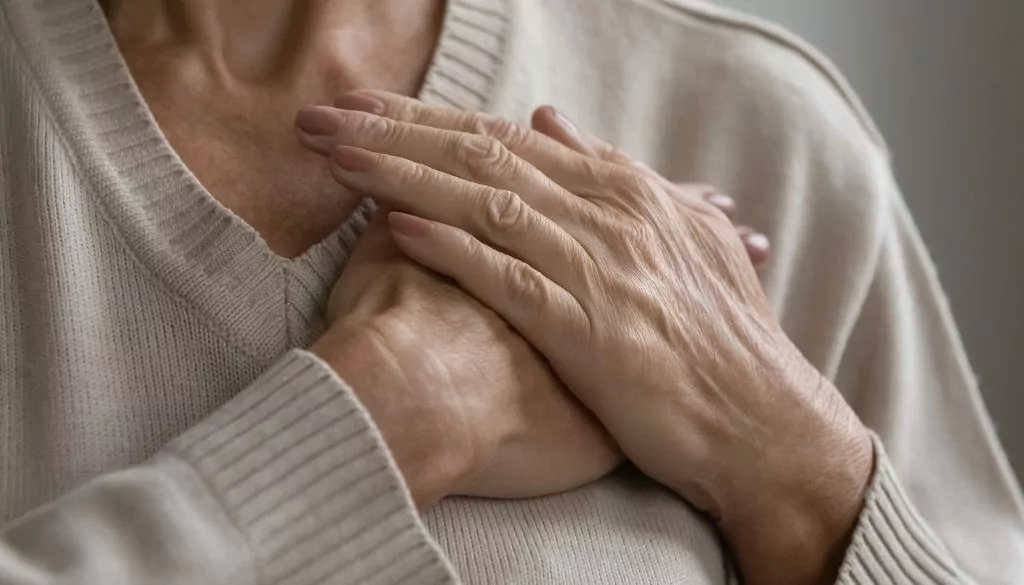
We frequently associate heart attacks with only immediate chest pain. However, your body normally whispers before screaming. Pain that appears to be moderate, strange, or completely unrelated may be symptoms of a heart problem.
Doctors believe that dismissing these aches as “normal” or “just stress” can impede timely treatment of the affected person and worsen the patient’s prognosis. The five pain spots in the body listed below should never be ignored; they could be your heart’s way of communicating that it requires immediate attention.
5 body pains you shouldn’t ignore
1. Chest discomfort that lingers
It doesn’t always feel like the dramatic, crushing pain we see in films. Sometimes it’s a dull ache, pressure, or burning sensation in the centre or left side of the chest. If it lasts more than a few minutes or keeps coming back, seek medical help immediately.
2. Jaw or throat pain
A heavy, unexplained pain radiating to the jaw or throat can signal blocked arteries. Women, in particular, may present with jaw pain instead of chest pain during a heart attack, which makes it easy to miss.
3. Pain in the left arm or shoulder
One of the most classic warning signs. The pain often starts in the chest and then spreads to the shoulder, arm, or even down to the fingers. Don’t brush it off as a “muscle pull” if it comes suddenly and without physical strain.
4. Upper back pain
A dull or sharp ache between the shoulder blades may indicate poor blood flow to the heart. People often mistake it for postural pain, but new and severe kinds of pain need urgent evaluation.
5. Stomach or abdominal pain
Heart pain is often “referred,” meaning it shows up in unexpected places. A sudden feeling of heaviness, bloating, or sharp abdominal pain—especially if paired with nausea and sweating—can mimic acidity but may be a sign of a cardiac event.
Not all body pains are the same. Some pains are harmless, but others indicate that your heart is in difficulty. If you suffer any of the following symptoms, including shortness, dizziness, or sweating, contact your doctor or emergency services right once; early intervention is life-saving.