






 Finance
Vitamin C deficiency can lead to many diseases
Nutrients and minerals are essential for keeping a healthy body. Our diet should be balanced and healthful. Having said that, Vitamin C is one of the most important elements for our bodies to function properly. Aside from being responsible for optimal collagen creation in the body, it is also important for bone development, blood vessel health, and wound healing. As a result, a shortage of Vitamin C can cause a variety of ailments, potentially complicating matters further.
Scurvy
Scurvy is the most common disease associated with Vitamin C deficiency. It indicates a severe vitamin C deficiency in the diet, which can cause bruising, bleeding gums, weakness, exhaustion, rash, and other symptoms.
Unexplained tiredness, loss of appetite, irritability, and joint discomfort are all possible early warning signals. If not addressed, it can lead to anemia, gingivitis, skin hemorrhages, and other complications.
Hyperthyroidism
Hyperthyroidism occurs when the thyroid gland produces excessive hormones. Vitamin C, along with other key nutrients, is essential for thyroid health. However, long-term Vitamin C deficiency can cause excess hormone secretion from the thyroid glands, resulting in hyperthyroidism and symptoms such as unintentional weight loss, heart palpitations, increased appetite, agitation, tremors, changes in menstrual pattern in women, and more.
Anaemia
Vitamin C is really important to have in your diet. Aside from other benefits, vitamin C aids in iron absorption, which is essential for preventing disorders like anaemia, which is caused by a decrease in the amount or quality of red blood cells in your body. Symptoms may include weariness, pallor, shortness of breath, dizziness, weight loss, and others.
Bleeding gums
Vitamin C is essential for maintaining good dental health. It not only strengthens teeth but also protects the gums. As a result, vitamin C deficiency can cause bleeding gums and gum disease.
Skin diseases
Vitamin C helps to keep your skin healthy. It has antioxidant properties and plays a key role in collagen production, a protein that is abundant in connective tissues like skin, hair, joints, etc, crucial for healthy skin. Vitamin C deficiency, generally known as scurvy, can cause skin sores. Early symptoms include spots of small subcutaneous bleeding.
How to treat vitamin C deficiency?
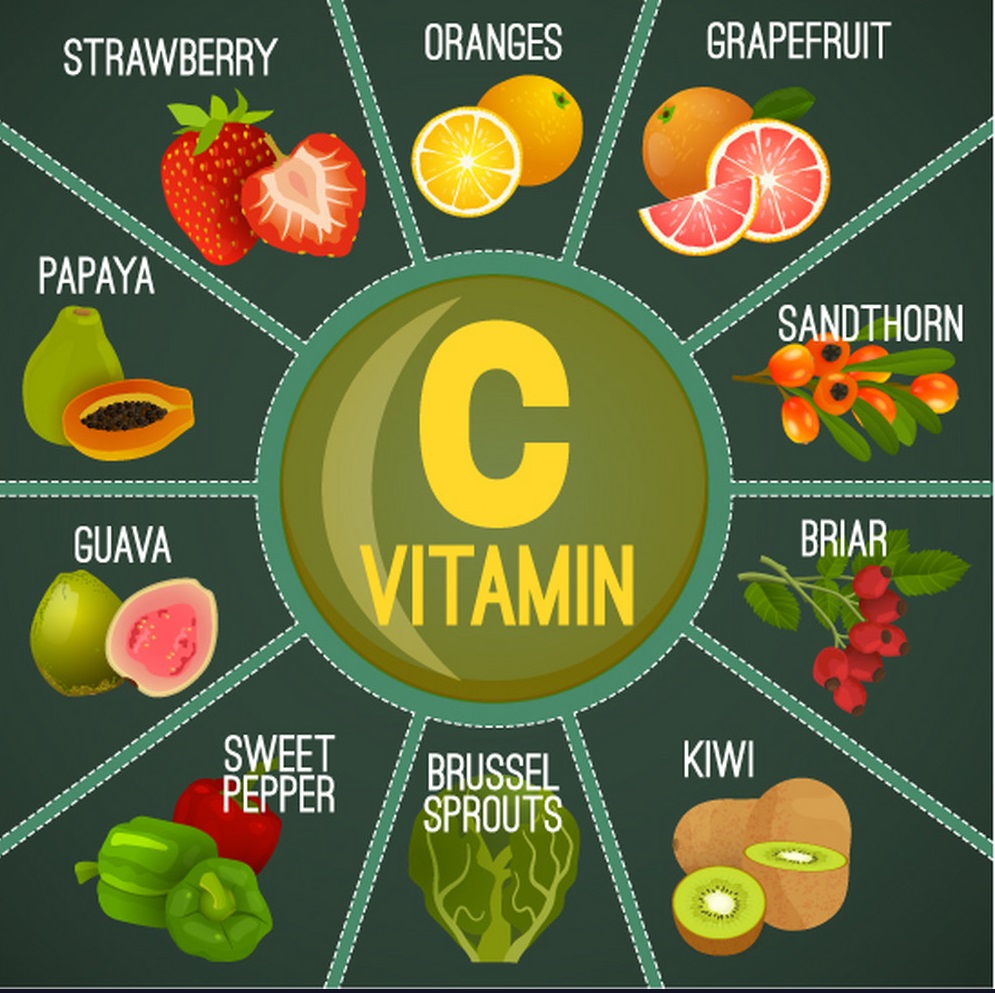
Including Vitamin C-rich foods in your diet is the most effective strategy to cure the illness. Increase your intake of citrus fruits and other vitamin C-rich vegetables. Smoking should be avoided since studies show that smokers have lower amounts of vitamin C in their bodies. Vitamin C pills are also an option, but you should check your doctor first.