






 Finance
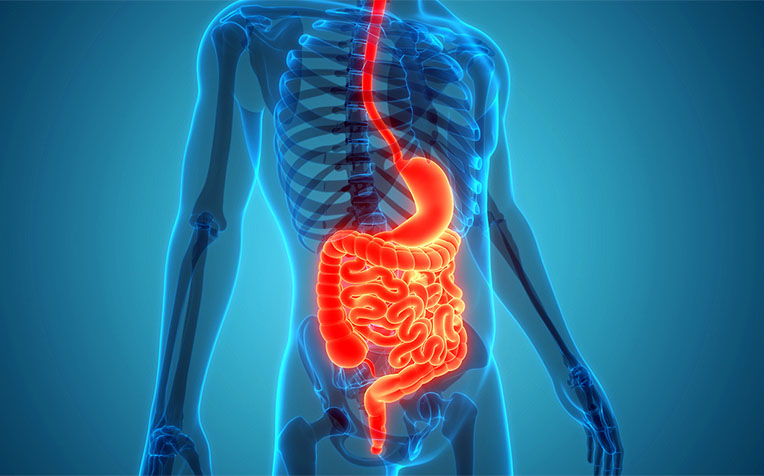
Your stomach has been responsible for more than just digesting. It is also known as the second brain since it serves as the body’s control center for everything from metabolism to emotions. The gut may turn genes on and off, affect hormone balance, and influence how well your body absorbs nutrients.
A healthy gut produces short-chain fatty acids (SCFAs), which help reduce inflammation, support your immune system, and maintain digesting efficiency. However, when a bad diet, stress, or unhealthy habits upset this equilibrium, the gut barrier can deteriorate. This allows for persistent inflammation, nutrient shortages, and even metabolic problems. Doctor share small, consistent habits that can restore this balance that keeps your gut healthy.
Everyday habits for better gut health, digestion
Add More Fibre to Your Diet
When you reduce fibre, you are essentially starving the good bacteria in your gut. Without their main fuel, these microbes shrink in variety and produce fewer short-chain fatty acids (SCFAs) that are important for keeping the gut lining strong, calming inflammation and supporting healthy metabolic signals. Over time, this fibre deficiency can set the stage for constipation, IBS, Crohn’s disease, and even lower immunity. Eat fibre-rich foods like whole grains, legumes, fruits, and vegetables, since they behave like a prebiotic, feeding beneficial bacteria to restore microbial balance.
Limit Sugar
Eating too much refined sugar and processed carbs changes your gut chemistry. High consumption of refined sugars and processed carbohydrates promotes harmful bacterial overgrowth, compromises the gut barrier and makes the gut lining weak and leaky, allowing unwanted substances to slip into the bloodstream. This triggers systemic inflammation, impairs insulin sensitivity and predisposes individuals to type 2 diabetes and cardiovascular disease. Every spike in blood sugar acts a bit like the browning effect in cooking, it accelerates internal wear and tear, shortening lifespan over time. Thus, controlling spikes caused by sugar and refined carbs is a frontline defence for gut health.
Eat Mindfully: Two Balanced Meals Daily
Eating too often, too quickly, or while stressed puts your body in “fight or flight” mode, suppressing parasympathetic nervous system (PSNS) activity. This slows down digestion, reducing enzymes and making the gut lining leaky, which can trigger inflammation and poor nutrient absorption. Mindful eating, slowing down, chewing thoroughly, engaging the senses and focusing attention on the meal, restores PSNS activation and digestive efficiency.
Time Your Meals
Giving your digestive system a real break between meals is like giving it a chance to catch its breath. Those longer breaks can help keep blood sugar steady, reduce inflammation and prevent constant “feeding” of bacteria that can throw digestion off track. It is not just when you eat, but also how your digestion starts.
Support Liver and Metabolic Health
The liver is the body’s toxic metabolic factory. It aids in digestion by creating bile, filters out pollutants, and keeps your metabolism working efficiently. However, habits such as excessive sugar consumption, reliance on excessively processed meals, and prolonged exposure to environmental contaminants can also slow it down. When the liver suffers, digestion fails, the microbiota changes, and inflammation rises, limiting SCFA production and exacerbating gut problems. Targeted nutritional and supplementary supplementation can help restore liver and metabolic function.