






 Finance
Cough, cold, and fever are relatively common ailments that can be efficiently treated with easy home remedies. Home remedy is a basic treatment made at home using plants that are readily available in the area or at home. Spices, carom seeds, honey, ginger, and pepper are common household ingredients that are particularly useful in Ayurvedic medicine. Home remedies are widely used throughout the country due to their effectiveness, low cost, and ease of usage. Simple home remedies are intended to aid in disease prevention and the treatment of mild ailments such as the common cold and cough, as well as to manage symptoms.
According to Acharya Ji, colds, coughs, and fever are our friends since they assist the body fight disease and expel pollutants. When a person sneezes or coughs, the body’s system helps to restore equilibrium by removing hazardous microorganisms. Acharya ji advises against attempting to suppress the symptoms of a cold, cough, or fever with other treatments such as allopathic medicines. In this blog, we will look at the top five simple home remedies for coughs, colds, and fever.
Causes of Cough, Cold and Fever: –
1. Viral Infections
These are Caused by viruses like rhinoviruses or coronaviruses. Influenza (flu) is caused by influenza viruses, often leading to fever, body aches, and fatigue alongside cough and cold symptoms.
2. Bacterial Infections
Respiratory tract infections are caused by bacteria like Streptococcus pneumoniae which can lead to conditions like bronchitis, sinusitis, or pneumonia.
3. Allergies
Allergic reactions to dust, pollen, or pet dander can mimic cold symptoms, causing coughing, sneezing, and nasal congestion without fever.
4. Environmental Factors
Exposure to cold air or pollution can irritate the respiratory tract, leading to cough or cold-like symptoms. Dry air can dry out mucous membranes, making a person more susceptible to irritation and infections.
5. Chronic Conditions
Asthma is a condition of Chronic inflammation of the airways which can trigger coughing, especially at night. Chronic obstructive pulmonary disease (COPD), which results in conditions like bronchitis or emphysema can trigger chronic coughing.
6. Immune System Weakness
A weakened immune system due to stress, poor diet, lack of sleep, or medical conditions can increase susceptibility to infections, leading to cough, cold, and fever.
7. Smoking and Irritants
Smoking or exposure to second-hand smoke and irritants can damage the respiratory system, causing persistent cough and increased vulnerability to colds.
What are the Home Remedies for Cough, Cold and Fever?
1. Lower Leg Hot Water Immersion Therapy for Fever
The LLHWI approach (Lower Leg Hot Water Immersion) is a traditional and alternative health care approach advised by Acharya Manish Ji to treat fever. According to Acharya ji, the patient’s feet should be dipped in hot water (40 degrees Celsius) and kept there for at least 30 minutes while sipping hot water. This allows the body to perform more efficiently, and the patient will feel better within a day or two.
2. Honey and Warm Water for Cough
Honey has natural calming and antibacterial properties, which can help suppress coughing and soothe the throat.
You can mix honey into a cup of warm water or herbal tea. Sip carefully, especially before bedtime, to experience its wonderful benefits.
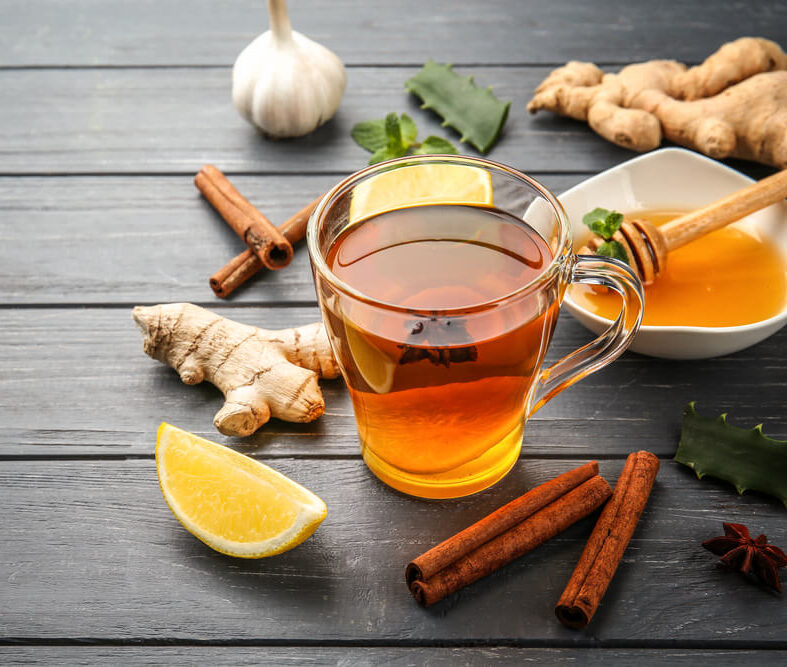
3. Ginger Tea for Cold Relief
Ginger has anti-inflammatory and antiviral qualities that can help relieve nasal congestion and sore throats. Ginger helps to reduce coughs and keep the body temperature stable.
For added flavor and benefits, boil a few slices of fresh ginger in water with honey or lemon juice. Drink the mixture 2-3 times each day to reap the full benefits.
4. Steam Inhalation for Nasal Congestion
Steam is said to be one of the finest ways to loosen mucus, making it simpler for the patient to breathe.
You can boil water, transfer it to a bowl, and add a few drops of eucalyptus oil (optional). To achieve the best results, wrap a towel around your head and inhale the steam for 5-10 minutes.
5. Turmeric Milk for Fever and Immune Boost
Turmeric includes curcumin, a substance that has potent anti-inflammatory and antioxidant properties. Turmeric mixed with milk improves its nutritional value and adds therapeutic benefits.
For the greatest results, combine 1 teaspoon turmeric powder with a glass of warm milk and consume before bedtime.
Aside from the aforementioned, Ayurvedic therapies and strategies for staying hydrated, such as drinking enough of water and fluids, can be extremely beneficial. Rest is essential for the body’s recovery. Maintaining a balanced diet to boost the immune system is also an important step toward recovery. If these treatments do not help your health, or if you get a high temperature, difficulty breathing, or severe symptoms, seek medical attention right once.