





 Finance
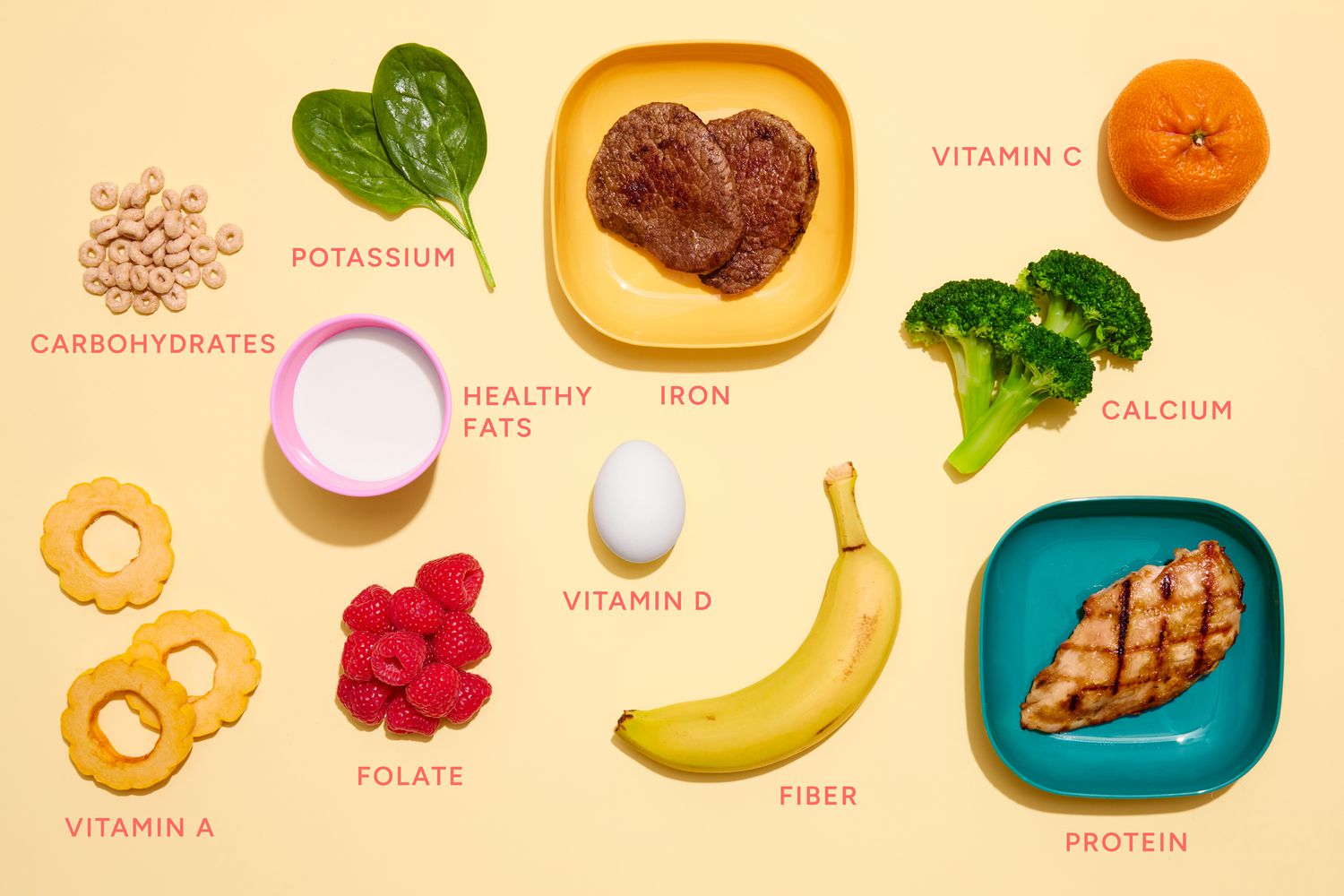
It is essential to care for children’s nutrition beginning in their early childhood. This not only keeps them active in the present, but also ensures a stable and disease-free future. What are the benefits of eating nutritious foods? Nutritious health foods for kids and a balanced diet have numerous benefits for children, including improved mental health, energy stability, immune system development, and disease prevention. You can simply instill good eating habits in your children from a young age. This could be the best gift you can give them for a better future.
What constitutes healthy eating for children?
7 health foods for kids daily nutrition:
Protein:
Protein makes up building blocks of organs, muscles, skin and hormones. Our body needs protein to maintain and repair tissues. Meanwhile, children need it for proper growth in their early years too. Fish, poultry, nuts (almond, peanut, cashew, hazelnut), beans, are best choices. A balanced protein rich breakfast is always great for children to start their day. It helps them stay full for longer ideas and hence protein is a must for proper child nutrition.
Good fats:
Health foods for kids must limit fats that are high in saturated fat and avoid trans-fat. Nuts, avocado, seeds (such as pumpkin seeds, melon seeds, sunflower seeds) and few oils are the healthiest sources of unsaturated fat. It is good for eye, bones and mental health of child, helps to boost brain and nervous system development, and strengthen the immune system. Encourage your child to eat all these good fats that support kid’s nutrition.
Calcium:
It is really important to get strong bones and teeth and we get chance to build them only once – throughout childhood and adolescence. Children who get enough amount of calcium in childhood start their adult lives with the strongest bones possible. Mostly calcium is stored in bones and teeth where it supports their structure and hardness, but the body also needs calcium for muscles to move and for nerves to carry messages between the brain and every body part. Calcium is predominately found in milk and milk based products like cheese. And is also found in smaller quantities in some nuts and seeds. Moreover, few herbs such as shallaki also contains calcium.
Carbohydrates:
Fibre, starches and sugar are very essential food for healthy diet that body turns into glucose to give energy to function. Carbs that take time to digest and have fibre in them are complex carbs which are found in naturally existing fruits, vegetables, almonds, cashews, hazelnut, sunflower seeds, pumpkin seeds, melon seeds and whole grains.
Vitamin and minerals:
Vitamins and minerals help us to grow, to form bones, muscles, for eyesight, for skin and organs and most importantly help us to fight against infections by building immunity. Deficiency of certain vitamins and minerals can lead to severe issues related to health. The best way to ensure that your child is getting enough vitamins and minerals for proper growth and development is to provide them with five food groups (fruit and vegetable, complex carbs, dairy, protein and fat).
Ayurvedic Herbs:
Ayurveda has the potential to not only correct imbalances in our children, but also to set them on an enduring path toward optimal health and well-being. Thus, ayurvedic herbs must be included in the list of health foods for kids. Ayurvedic herbs such as ashwagandha, mulethi, brahmi, shallaki and turmeric are great for kids development. Overall, these herbs support immunity, bone strength, brain development and overall growth.
Antioxidants:
Antioxidants are substances produced by the body or found naturally in certain foods that scavenge or counteract the effects of cell damage caused by potentially hazardous molecules known as free radicals. Fortunately, consuming an antioxidant-rich diet or foods helps to fight oxidative stress and lowers the risk of many chronic diseases. Turmeric, vitamin E, chocolate, vitamin A, vitamin C, selenium, beta-carotene, lycopene, lutein, zeaxanthin, manganese, and polyphenols have strong antioxidant effects.
Foods to avoid:
Refined sugar: Sugar causes inflammation in the body which results in weaker immunity. Sugar damages the protein in our body, resulting in ageing of organs, which further compromises immunity, growth and functioning. Greatest source of sugar in the average kid’s diet are sugary snacks and beverages like cookies, cakes, candies, fruit juice, soda, and sports drinks. Everything that the child picks up to eat today has strains of added sugar in some form or the other.
Preservatives: most of the packaged food companies are adding artificial preservatives to delay spoilage and contamination in foods. artificial preservatives such as nitrates, benzoates, sulfites, sorbates, parabens, formaldehyde, BHT, BHA and several others can cause serious health hazards such as hypersensitivity, allergy, asthma, hyperactivity, neurological damage.
Refined oil: The high temperature used in the refining process destroys all of the natural and helpful elements from the oil, which is bad for your digestive and respiratory health, and it eventually impairs your immunity.